
On December 11 I had surgery on my right foot. I had the same surgery on my left foot last December so I had some idea of what to expect from the recovery period.
The recovery is long—three weeks of no weight bearing followed by three months in a walking boot. I am not a patient person so waiting to put on a shoe, take a shower standing up, drive, get back on an elliptical machine or my bike is a challenge.
We are nearing the end of Advent. A season of waiting.
Psychologists and neuroscientists who study patience, waiting or delayed gratification find that it involves a battle between the limbic system and the prefrontal cortex (PFC).
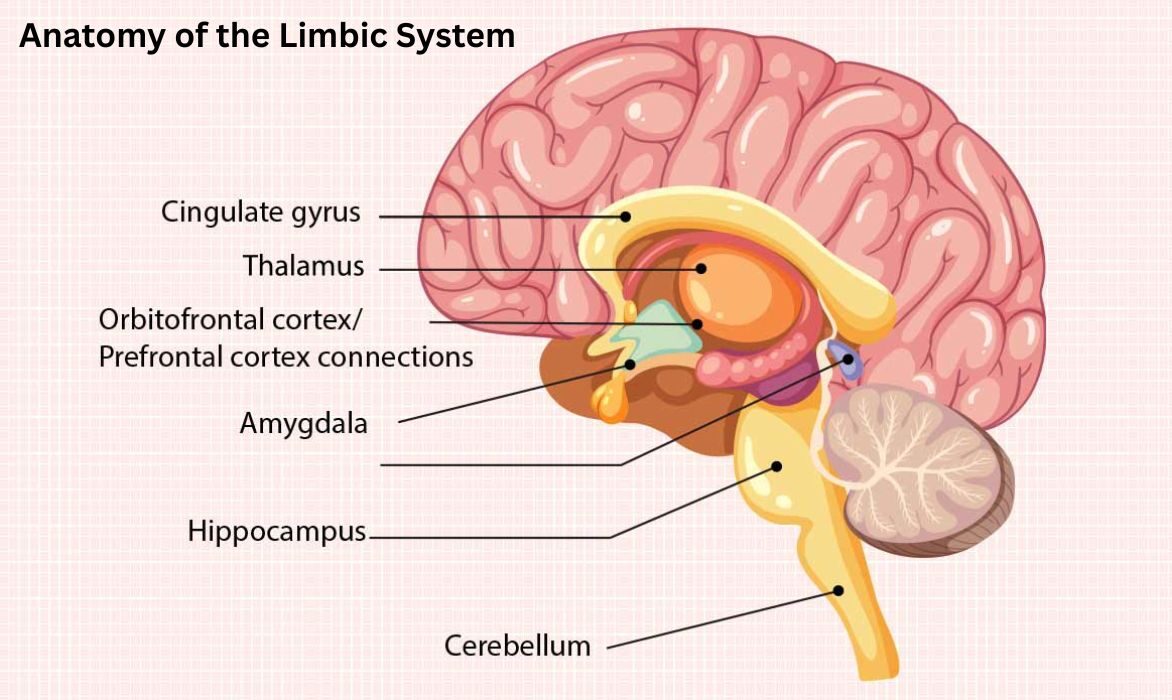
The limbic system is often called the emotional brain. It consists of several, interconnected brain structures that control base emotions (fear, pleasure, rage) and drives (hunger, sex, dominance, care of offspring). It seems to be a system particularly important for emotions and behaviors that are necessary for survival.
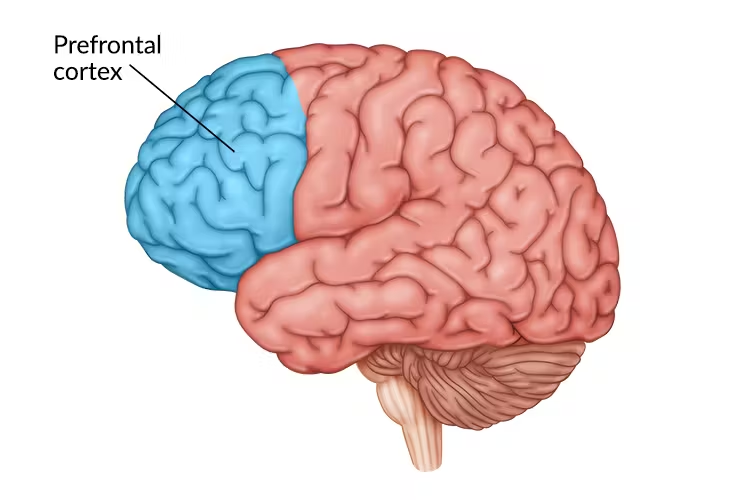
The prefrontal cortex (PFC) is located just behind your forehead. It is responsible for higher-level cognitive functions like planning, decision-making, working memory, impulse control, and complex social behavior. It considers the potential consequences of our actions, manages and organizes goal-directed actions by integrating past experiences with future outcomes, and allows for abstract thought, emotional regulation, and personality. The PFC is crucial for intelligent, adaptive behavior.
Waiting depends on the PFC overriding the limbic system’s immediate urges.
Scientists, using mice, have identified dopaminergic (DAergic) neuron activity as critical for waiting. Mice that delayed gratification have higher DAergic neuron activity than mice that waited for a reward for shorter times. The DAergic neuronal activity seemed to depend on continual deliberation during the waiting period rather than setting a goal of expected waiting duration before the waiting began. Their work suggests a neural basis for how we might resist a temptation close at hand in favor of a better future reward or long-term goal.
Serotonin also seems to play an important neuromodulatory role but, at least in mice, serotonin’s role appears to depend on the likelihood of reward. If the likelihood of reward was high, serotonin helped mice wait. But if the likelihood of reward was low, serotonin had little effect.
In recovery and in Advent waiting we need our PFC and high DAergic neuronal activity.
I want to drive. My limbic system suggests that I remove my boot, put some weight on my foot and just do it. My PFC overrides that urge by considering that putting weight on my foot too soon will prolong or even impede the healing process. My PFC wins and I wait because I expect restoration. By April.
As a community of Christians, we want an end to suffering. We want shalom. We want God’s Kingdom to come. Now. Advent waiting is hard. Restoration seems impossibly far away. It takes only a moment of watching the news: mass shootings, hate-filled social media posts, broken families, rising unemployment, people losing healthcare coverage, children dying of preventable diseases. . . the list goes on and on. I don’t expect restoration by April.
How can our PFC overcome the limbic system’s urge to give up when restoration seems so far away? Advent waiting is active and active waiting in community can help tip the balance in favor of our PFC. We can see our neighbors’ needs and step in as the hands and feet of God. Our own active Advent practices have included donating to our local food pantry and contributing to efforts to help immigrants and refugees in our community.
Whether we expect restoration soon or not, we are called to wait as we live in the already and not yet. The Kingdom of God arrived as a newborn. The Kingdom of God is not yet. We wait for the full restoration that will come when Christ returns.
Waiting, whether forced by physical healing or invited by a season like Advent, is more than an inconvenience—it is rooted in the very structure of our brains. Perhaps understanding the tug-of-war between the limbic system and the prefrontal cortex reframes impatience not as a personal failure but as a natural human struggle. Neuroscience offers the hope that the ability to wait can be strengthened through practice—especially the practice of Advent.
As I continue my recovery, each moment of PFC over limbic system becomes both an act of trust in the healing process and a small exercise in shaping a more patient brain. As we practice Advent together, we are being shaped into a more attentive and hopeful community of faith.

10 Responses
Love it.
An excellent post and a perfect analogy. Thank you.
Thank you, Sara! Merry Christmas!
Sara
This is an excellent piece! Let’s pray that the US administration will take your advice.
Wonderful!
So helpful and inspiring as I wait in Advent and for my upcoming right foot surgery in January. Thank you Sara.
Best wishes for a successful procedure and speedy recovery!
Thanks for this article. I can totally relate because I am rehabbing from surgery in October on my left foot. Best of luck on your rehabbing!
Thank you Sara for your detailed scientific analysis why waiting is so difficult.. For me your blog could not have been published at a more appropriate time than it has. Five weeks ago I endured surgery to correct spinal stenosis. I was informed that it could take six to eight months for the pain to subside completely. While being dismissed from the hospital and passing though the exit in my wheel chair, the final instruction I received from the nurse was “be patient “! This past Sunday while visiting after church, a PA inquired about my progress . “I continue to have pain” I told him. Sympathetically He said “I understand it takes forever” ” What forever”!!
Thank you for encouraging me to return to church in two days, that I may hear once again the event that begins the process where by I shall be healed physically and spiritually; and it will be forever.
Since patience is an aspect of the fruit of the Spirit, and fruit is a biological concept, it’s not surprising that patience has a biological component through which the Spirit moves in us. Thanks for this insight.