
I have a draft of a piece on the formative nature of congregational song through the lens of the Charlie Kirk funeral. I started another doc highlighting the fact that Black spirituals are the only part of our church’s song canons for which we do not (and have never) paid royalties. Black History Month would be a great opportunity to do something about that in your local church. I wondered about a piece from the perspective of a Washington, DC pastor, entering year 2. . . well 6 actually. . . of a Trump presidency.
In the cycle of starts and stops, type — delete — repeat, I found that the hold up was not my fingers at the keyboard, nor even my mind with getting a clear point across. It was the noise.
Do you hear it?
The various commentaries of the angle of body cams showing us horrors we were never meant to see with our own eyes. Over and over and over again. The justification of murder because of the direction tires were facing on a vehicle or a hand that reached for a pocket. A small child in a blue fleece hat, reaching out a pudgy hand. A trusting, childlike hand.
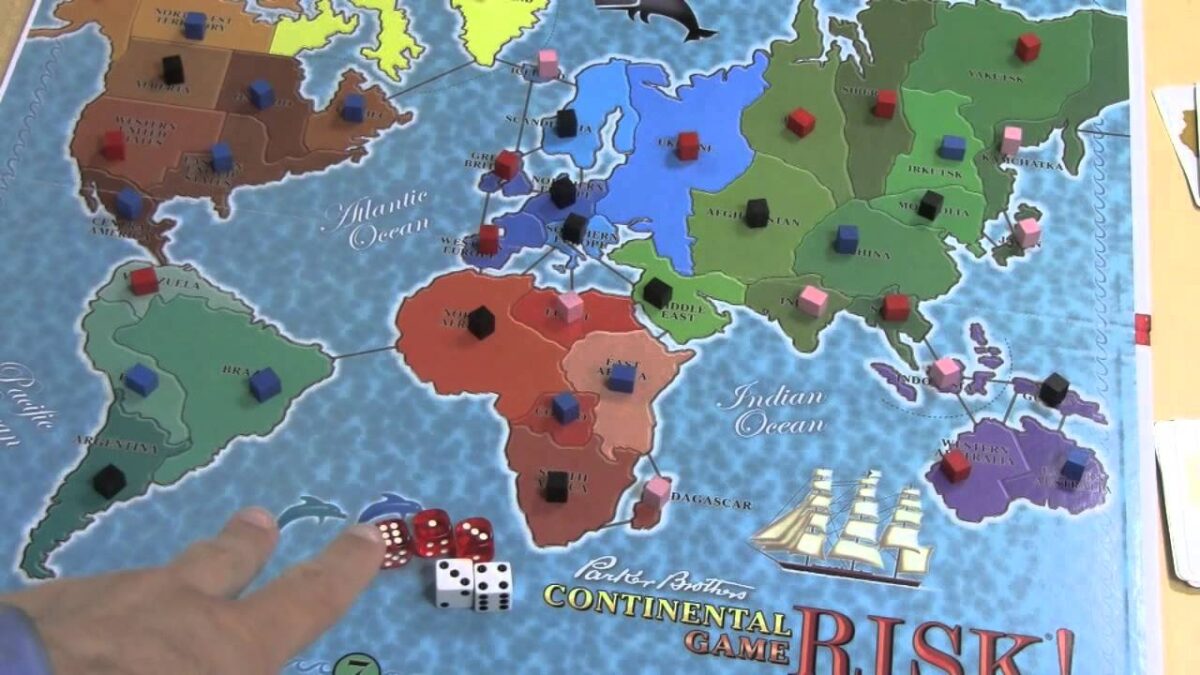
Maps of other countries that look more like the boardgame Risk than any real diplomacy. Roll those dice, move those troops, take what’s “ours.”
The roar of the media. The toxic electricity of the buzz of social media. The crashing deterioration of friendships and collegiality. The screams that accompany pointed fingers and reply buttons alike.
The deafening silence of the Church. The passive aggressive comments and warnings from those within our pews, reminding us what the gospel SHOULD say on Sunday.
Do you hear it?
This is not a week to give you more data to process. It’s not the time for ideas and suggestions about how to pastor, how to engage across differences, or how to make wise choices for your worshipping community in the future. No. Not this week.
So instead, I offer you a moment to breathe. Ruach
A moment to practice.
A moment not to drown out the noise, but to live within it.
This simple practice was introduced to me by my colleague, Chris, and it has long continued to resonate and become part of how I handle daily noise. Once you participate, you’ll notice these embodied movements in your regular activities, and it will trigger a moment of reflection and prayer. Prayers aren’t just spoken. Sometimes they look and sound more like this. So amidst the noise of this week, Lord, hear our prayers.

Clench your fists.
Go ahead and clench them as hard as you can and hold. And in this moment ask yourself…
What am I holding on to tightly?
My own opinion?
Fear?
Guilt?
Anger?
My own privilege?
Lord, hear my prayer.
Shake your fists.
Pound them in the air. Swing a fist if you need to. Knock as though you’re banging down an unseen door of grief.
This is not ok. None of this is ok.
I don’t understand.
No.
I feel utterly helpless and at the same time guilty about it.
Pastoring people through this….. I’m so weary
Lord, hear my prayer.
Slowly open fists. Slowly.
With your palms facing down, slowly, very slowly open your hands. Feel the resistance of your joints, the nail marks in your skin. It’s hard to let go.
I’m not letting go, I’m not handing over.
I’m not resigning.
I’m entrusting this to you.
I can no longer carry it on my own.
Receive it in your outstretched hands that already hold mine.
Lord, hear my prayer.
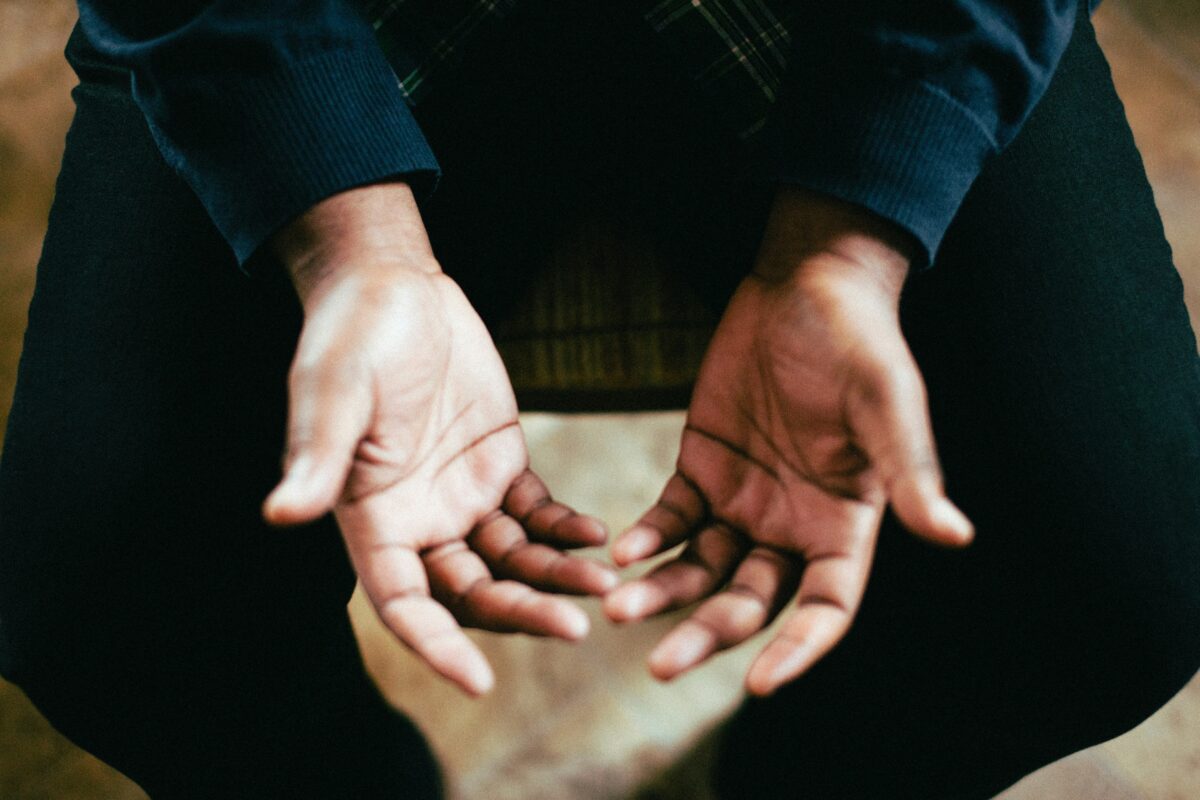
Open hands.
Look at your own open hands. Move them away from your body, draw them closer again. Raise them as though in offering, lower them as though in service.
These are hands that can do good, that can act.
These are hands that can do harm, that can injure.
Guide them.
Protect them.
Equip them.
Do with them as you will.
Lord, hear my prayer. Amen.
Clenched fist photo by Luis Quintero on Unsplash
Open hands Photo by Jeremy Yap on Unsplash

8 Responses
Thank you, Katie, This is insightful and challenging. It needs to be verbalized, written, believed, and lived.
Thanks for the script for prayer with motions that deal with the noise surrounding me. This was very effective in my life.
Oh my. This is helpful! As a practitioner of biospiritual focusing, I am growing in my understanding of how our bodies carry our trauma and anxiety. Dropping from the mind into the body and heart enables me to have compassion on the parts of myself that are troubled. And there’s plenty to be troubled about right now! For those who want to try more embodied prayer, I commend to you “Six Gestures of Morning Praise” by Joyce Rupp, which she has put online. Thank you for this practice, Katie. I will use it and share it with others.
Amen, and thank you. Something else I occasionally visualize with my hands (sometimes when reading the Psalms) is a motion of laying down my weapons (my words, pride, maybe even scripture verses) and lifting them up in humble praise and surrender to God.
Thanks for outlining a helpful spiritual practice. And for a good reminder that spirituality is holistic and embodied, not just cerebral.
So good. Thanks, Katie.
Thanks Katie
“Clench your fists. Go ahead and clench them as hard as you can and hold. … Shake your fists. Pound them in the air … Slowly open fists. Slowly.”
I was at a loss about what to say about this. Having lived through the burgeoning of bizarre spiritual-therapeutic mutations in the 1970s it brought back numerous memories I’d rather leave in the past.
I wondered if people are actually doing this? Sitting in their living rooms, swinging their fists around? (I guess it’s less unnerving to the children than, say, primal scream therapy, so I’ll give it that.) Or maybe they’re gathering together in special services to practice it communally? There could be a PhD thesis there, or perhaps even a Netflix documentary.
I doubt it, though.
That second “slowly” in the command about how to open your fists reveals what’s going on. People feel so very helpless right now. Because they are. At moments of deep vulnerability, they want to be told what to do. Obeying directions makes them feel safe. That, they can do.
As the hopes of the 1960s turned to ashes, the therapeutic turn promised that, even if the world can’t be changed, at least the self can. But it didn’t–and can’t–deliver. A wish for the world to be different–more just, less violent–can’t be negotiated away by self-care techniques. None will satisfy our real longing. It’s the reason that people keep hopping from one technique to another, like diets.
We want and need the world to be a better place. Our sadness and anxiety that it’s not isn’t the problem. It’s a sign.