
“From dust you came and to dust you shall return.”
There’s a flower bed/planter box outside my backdoor. When I first moved in it was ground level, roughly three and a half feet wide, about fifteen feet long, edged by little brick pavers, a relatively small amount of un-concreted space next to the house in my very urban neighbourhood.
As I recall there was one perennial in it, the rest were weeds—not that all weeds are bad. That was over seventeen years ago. My first summer I was talking to a parishioner about making a wooden frame for it. Being a professional carpenter (although not a gardener), he made me a proper planter box, using 2×10’s, two high, all the way around. I found it necessary, thus, to fill the box not only with plants in season (and out) but more soil.
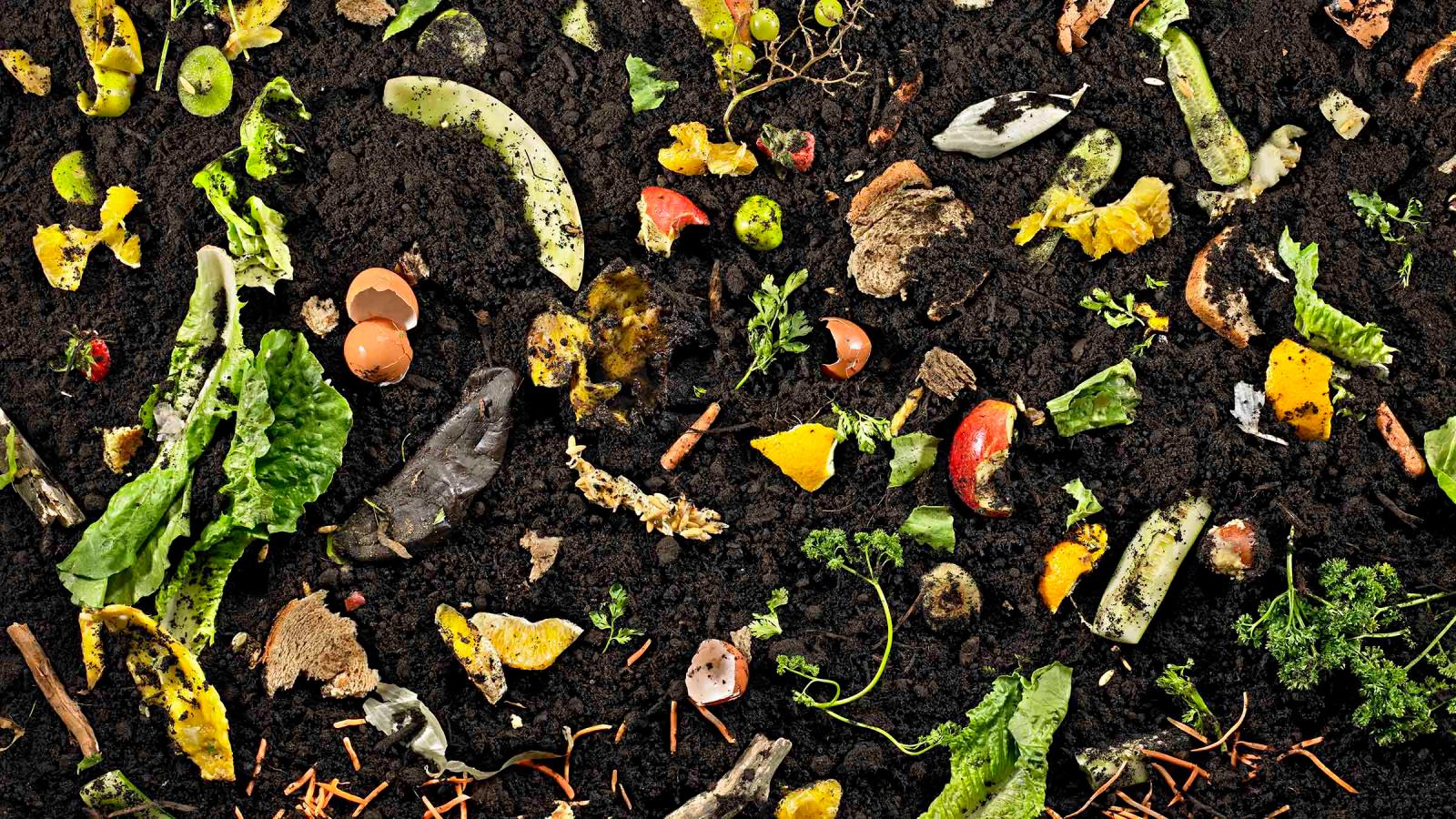
I’ve long been a composter. That sounds silly maybe, but I hate throwing things away when they can be reused or recycled. My compost bin, which later became bins, was set up even before the planter box was created. Organic detritus not only from the churchyard and my house but that collected from our church building too—a lot of coffee grounds from a lot of twelve-step meetings—have gone into it.
“[E]verything we are, all that we can ever be, all the Einsteins and babies and love and hate, all the joy and sadness and sex and wanting and liking and disliking, all the soft summer breezes on cheeks and first snowflakes, all the Van Goghs and Rembrandts and Mozarts and Mahlers and Thomas Jeffersons and Lincolns and Ghandis and Jesus Christs, all the Cleopatras and lovemaking and riches and achievements and progress, all of that, every single. . . thing that we are or ever will be is dependent on six inches of topsoil and the fact that the rain comes when it’s needed and does not come when it’s not needed; everything, every. . . single. . . thing comes with that. . .”*
~ Gary Paulsen, “Clabbered Dirt, Sweet Grass”

Today many will receive the imposition of ashes as a sign of repentance. At the beginning of the season of Lent I get it. Biblically ashes have long served as a sign of repentance when one wore sackcloth and ashes. We’ve mostly given up the sackcloth though.
We often express the latter words of Genesis 3:19, “you are dust, and to dust you shall return” during the Ash Wednesday service or in the imposition. There is something about being reminded about death, I suppose, that is helpful. I mean, quite seriously, when we are faced with the realities of death—in my congregation, in my preaching—it does seem “to land” more solidly. It’s honest. It’s authentic. It’s real.
As such, as a church goer, I get the ashes being connected to biblical repentance. I get its connection to mortality. I appreciate it.
When I was young, I remember my Presbyterian church recognizing and gathering for worship on Ash Wednesday. I don’t, however, remember ashes ever being part of it. Likewise in college and seminary, I don’t remember ashes in the Reformed Church in America congregations I worshipped with then. It was a process incorporating ashes into the Ash Wednesday worship in the two churches I’ve been a part of since then.
All that is to say, I like the palpableness, the corporeal nature of having ashes as a part of worship on this day.
It’s taken me a bit to get there. I still don’t fully get why non-church people want ashes on this day. . . Although I fully support them getting ashes if they want!
During this season when repentance is so desperately needed—corporately, communally, and nationally; when mortality is so palpable, I long for something more for and from my Lent too.
Genesis 3:19, which I referenced above, in full actually says, “By the sweat of your face you shall eat bread until you return to the ground, for out of it you were taken; you are dust, and to dust you shall return.” I like the dust and ashes and all. But I really like the ground.
Maybe Ash Wednesday specifically, and Lent more broadly, can remind us of dirt, of soil, of the ground.
Lent is an incredible season for repentance and fasting. That is important. And tonight I will recite the words of our liturgy, “I invite you, therefore, in the name of Christ, to observe a Holy Lent, by self-examination and penitence, by prayer and fasting, by practicing works of love, and by reading and reflecting on God’s Holy Word.”
I wonder if a part of the repentance and fasting might include building up? Slow sometimes, glacially paced, but building still.
And could our Lenten practice then be building even of the soil beneath our feet. Of course I mean this literally. The garden box I referenced above has nearly a foot of dirt in it now. Of course I mean this more than literally.
* Gary Paulsen’s quote’s subject is “luck” of the rain falling appropriately. Fair enough, although I think more in terms of “grace.” Still, his point is about topsoil and its importance.

6 Responses
Great to have you back in this space. I love the Paulsen quotation.
Thanks, Tom. Ashes and Compost. Love it.
Thanks for re-grounding this season in God’s gracious gift of the earth.
Just yesterday I was pointing out (successfully?) to Dordt students that Calvin includes mortification *and* vivification in his beautiful definition of repentance. I love the idea that repentance in Lent includes dying and dust but also coming alive or, to use your beautiful imagery, Tom, building up. Thank you.
You are such a gifted pastor-theologian, Tom. Thank you for writing.
Tom, preach it brother !
Thank you for this important reminder that we are dirt creatures (Gen. 2:7)
as well as creatures made in God’s image (Gen. 1:26)
called to serve and protect the garden that is the earth (Gen. 2:15).
Shalom, BP