
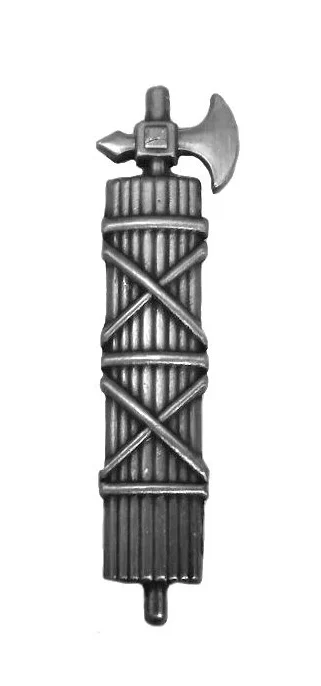
For obvious reasons, discussions of the key characteristics of fascism have been common of late. No doubt you have encountered them.
The lists are familiar: a drive for national and ethnic purity; a nostalgia for a mythic golden era; the discrediting of institutions like higher education, journalism, science, law, and the arts; devotion to a strong, charismatic leader; a glorification of violence. My list isn’t meant to be exhaustive.
The different lists are helpful, yet I’ve also sensed something was missing. Perhaps it is implied, floating between the bullet points, implied but unnamed. Fascism seems less like a coherent ideology or governing philosophy, and more like an energy, an ethos, a societal temperament.
A helpful image for me comes from a retreat I attended years ago with Walter and June Wink. I’m no expert on Walter Wink’s work, but the three days I spent with the Winks left me with a useful metaphor.
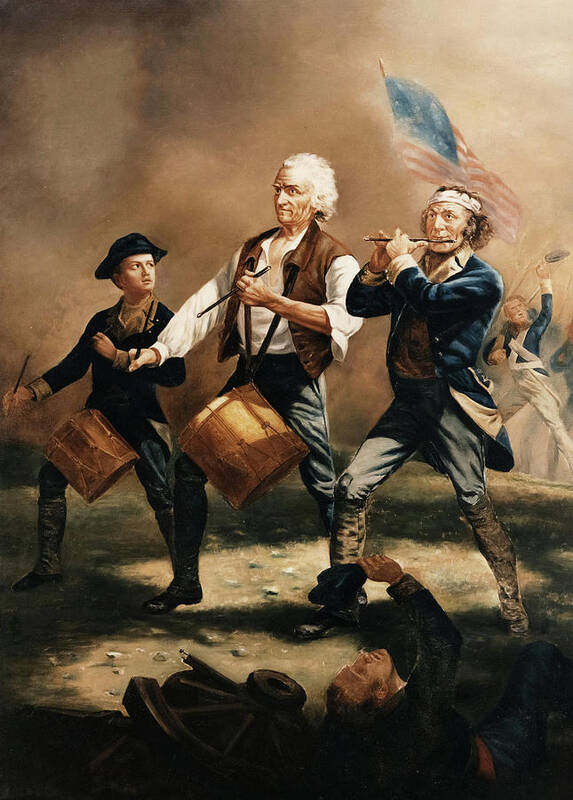
Walter spoke of “angelic” and “demonic” powers as ways of naming intangible cultural forces. He pointed, for example, to the “Prince of Persia” and the “Prince of Greece” in the book of Daniel as figures that personify entire cultures and systems of power. In Revelation, each of seven churches is symbolized by an angel. Closer to home, we understand the use of images like the “Spirit of ‘76” or the “Spirit of St. Louis.”

We want to ask “Are these ‘spirits,’ and ‘princes’ and ‘demons’ real?” The answer, of course, is — sort of, yes, and no, and maybe. They are real in the sense that we experience them as powerful forces, yet not reducible to literal beings. I note how often we still hear phrases like “battling their demons,” “running like they’re possessed,” or “haunted by their ghosts” in discussions of addictions, obsessions, and trauma.
Of course, talk like this can veer quickly into the bizarre. I can’t help but think of the odd overlap with some of the beliefs of the ultra-right-wing, neo-Pentecostal, New Apostolic Reformation, prevalent in MAGA world. I recall the claims of C. Peter Wagner, often considered the founder of the New Apostolic Reformation, after the 2011 Fukushima disaster in Japan. Wagner asserted the disaster was the result of the Emperor of Japan having sex with the demonic Sun Goddess. My imagination is too limited to comprehend what that means.
I’m not convinced it is necessary or helpful to try to nail everything down with precision, especially if the result pushes us toward B-grade movies and literal images of wings, horns, and halos.
I am, however, fairly convinced that Wink is on to something important. The language of “spirits” or “demons” may seem melodramatic, but it points to something real: a cultural ethos, an energy that animates actions and rhetoric.
This is what I think is missing in today’s discussions of fascism.
There is an energy at work in fascism.
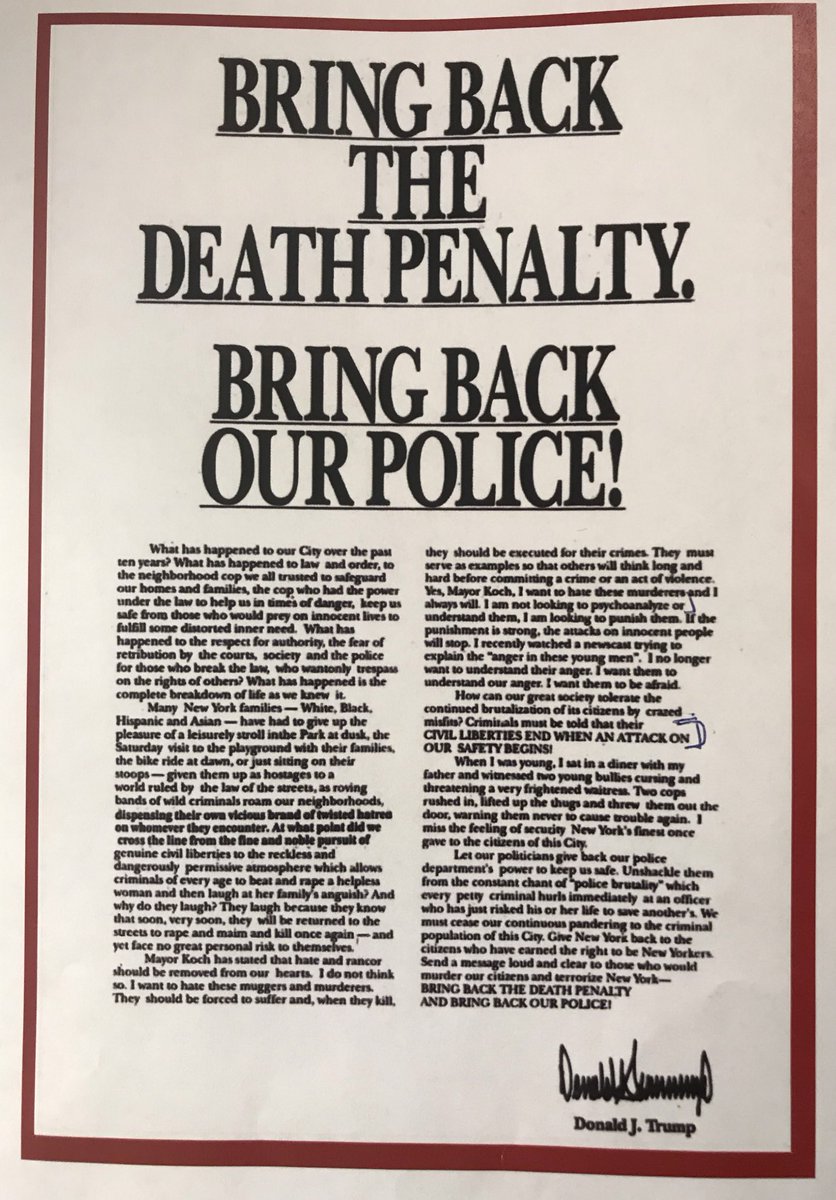
The word that floats through my mind for this energy is “wilding.” It entered public consciousness during the 1989 Central Park jogger case when five Black and Hispanic teenage boys were convicted — and then, later, exonerated — of random, brutal violence. You may recall that in the heat of the moment, Donald Trump took out full-page ads in four New York newspapers calling for the reinstatement of the death penalty, declaring his hatred for murderers and muggers, and that they should be made to suffer for their crimes.
As many have noted, for Trump, every accusation is a confession
MAGA world, and probably fascism in general, is a world of wilding. No real comprehensive vision or goal. Reckless. Chaotic. Impulsive. Destructive. Merciless.
Wilding is not about what fascists advocate, but how they feel and move through culture. There is a chip on the shoulder, contempt, a snarling resentment, especially toward those perceived as condescending elites, as well as those considered other, weak or societal parasites. Institutions that once excluded or corrected them are now targeted for humiliation and destruction. Reveling in tearing down. The thrill of vandalism.
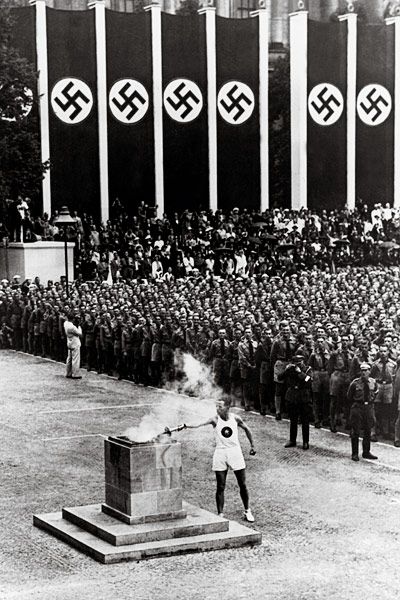
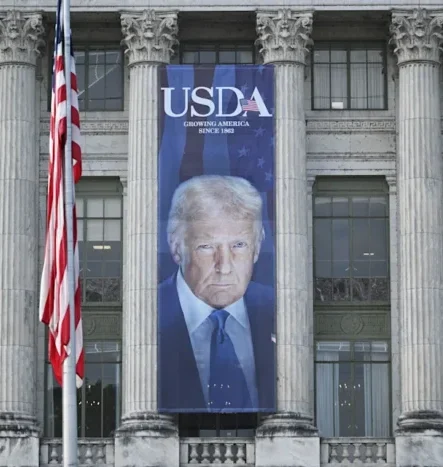
Size matters. Pageantry. Grandiosity. Think of Hitler’s mass rallies and the spectacle of the 1936 Berlin Olympics. Or recall 2017’s “largest audience to ever witness an inauguration” — according to alternative facts. An Oval Office cluttered with cheap, gold baubles. The enormous banners of Trump’s face that now hang from government buildings in Washington, DC. It calls to mind the booming voice and billowing smoke of the Wizard of Oz, until the small, anxious man behind the curtain is revealed.
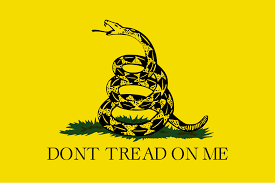
I sense this energy, this “demon,” when I see a Don’t Tread on Me flag, or a giant, rumbling pickup truck. I sense it in a toney, white linen country club and in symbols of the Crusaders redux. By no means am I saying that every member of a country club or driver of a big pickup is “demon-possessed.” Rather, these things share in and radiate the energy I’m trying to describe.
Once upon a time, telling young men to stop being “sophomoric” or immature appeared to work. The defiant adolescents either grew up or skulked off to the sleazy corners of society. But those who believed that explaining “sophomoric” yet one more time would work have been vanquished. When Hillary Clinton (in)famously called Trump supporters a “basket of deplorables,” her remark only fueled deeper resentment. Not surprisingly, the tsk-tsk of shaming seems to have backfired.
What was once relegated to men’s locker rooms and crude in-group jokes, came to occupy positions of influence and authority. What was once chastened is now celebrated. Unruliness is reframed as authenticity. Buffoonery as strength.
What to do? How to draw this blog to a close? A first instinct might be to quote Ephesians 6,
Our struggle is not against blood and flesh but against the rulers, against the authorities, against the cosmic powers of this present darkness, against the spiritual forces of evil in the heavenly places.
While I appreciate and “understand” this passage, I’m concerned that to go to it too quickly causes us to be pushed into those murky questions about cloven hooves and smoking sulfur, distracting us from an important conversation. Without some nuance and nimbleness, it becomes nothing but a mirror image of the neo-Pentecostal, NAR, MAGA rhetoric.
Yet the Ephesians passage does helpfully point toward something elusive that I’ve been trying to pin down. Fascism is not a simple list of characteristics or a coherent ideology. We are contending with more than policies and personalities, but an animating force. I’m okay if we call it a demon.

2 Responses
Absolutely. Thank you. Weston in Perelandra. The most comprehensive way to understand it all. A New Testament version of the Baal worship in Ellul’s The Politics of God and the Politics of Man.
Well said, Steve. You have articulated what I have been feeling.