
Here I go again, comparing two synods: the 219th General Synod of the Reformed Church in America and the Synod 2026 of the Christian Reformed Church in North America. For the full reports, see www.rca.org and www.thebanner.org. I will mention only what serves my purpose of comparison. I was a distant observer, and I cannot be objective, but I will not be unfair.
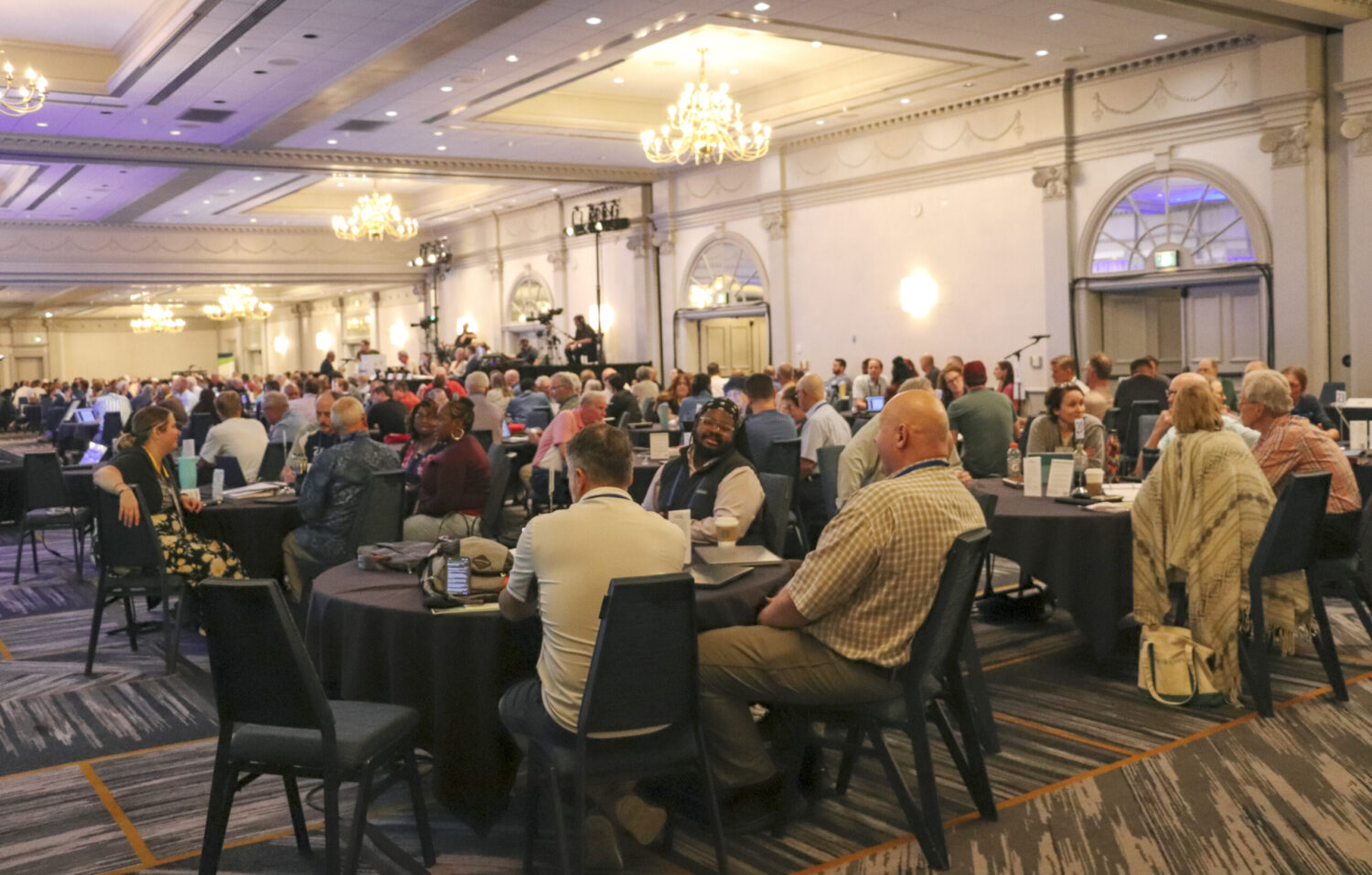
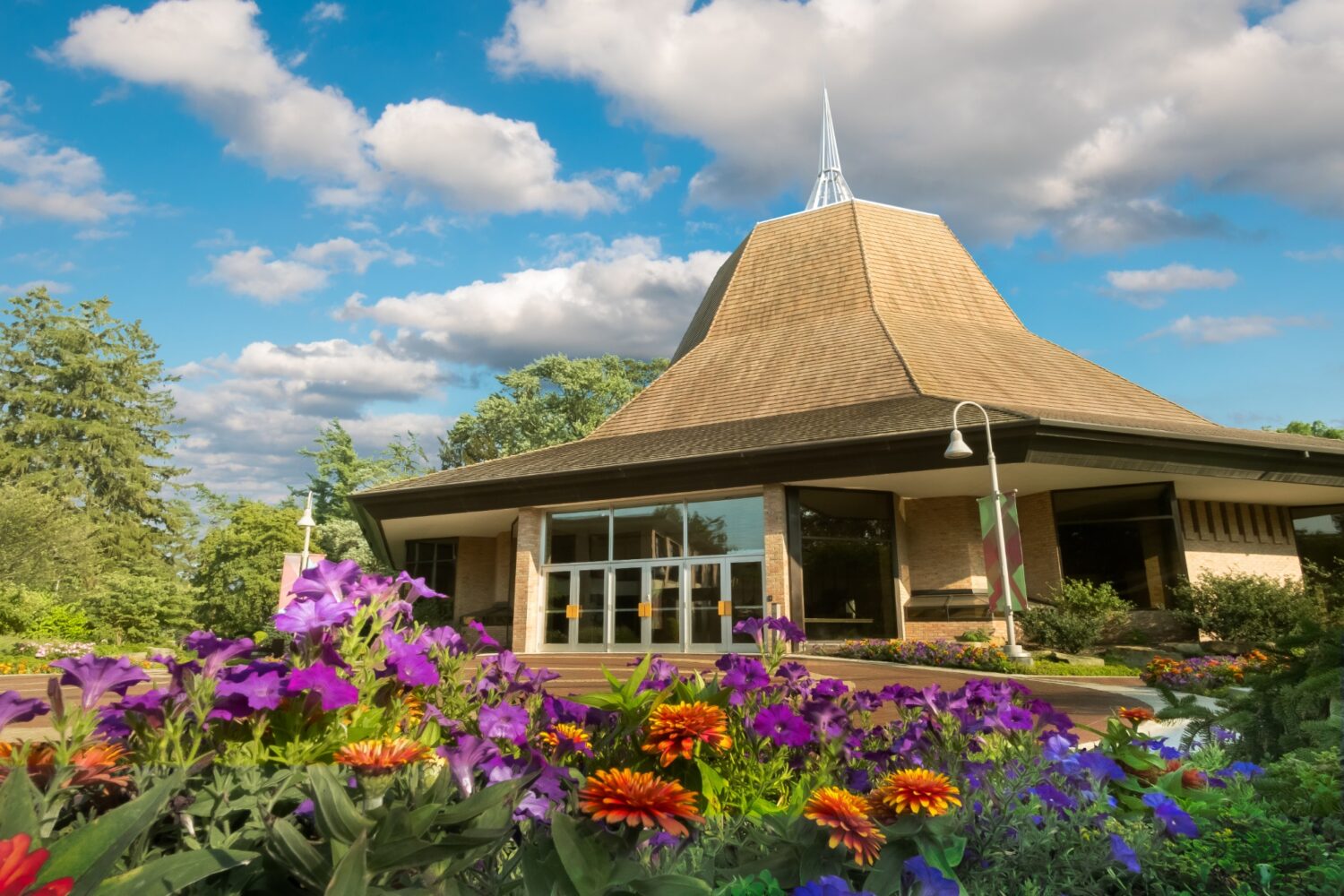
The two synods met almost simultaneously, but their meetings differed greatly. The RCA met as just one more convention in a bland airport hotel in Nashville, Tennessee, while the CRC was like a senate in its capitol at Calvin University. Which denomination will have felt more powerful and of greater interest to the world?
The RCA, after a decade of turmoil and the secession of a great many congregations and ministers, has not resolved the issue of Human Sexuality. But it seems to have achieved a consensus that both positions on the issue will be respected and left to the discretion of classes and consistories. The turmoil triggered a restructuring of its historic polity to eliminate regional synods and rearrange its system of judicial appeals. It is a smaller and chastened denomination having now to consolidate itself.
Last month I was talking with our General Secretary, Eddy Alemán. We’ve had our differences, especially on LGBTQ, but he told me he thought that “we’d turned the corner, and we’re in a good space, and we can be together in one RCA.” I assume he has said this often in his travels.
Last Thursday our classis delegates returned from General Synod with reports of good feelings all around. The restructuring was ratified. Only the proposal to give more votes to larger classes when amending the Constitution was denied—which maintains a shield against majority domination. The RCA has settled back into its habit of a coalition of differing interpretations on common doctrines.
Three things stand out. First, a Statement on Christian Nationalism, which some of us have been calling for since last year, was overwhelmingly approved. The declaration leaves some ambiguities, and might have referred to our Confessions, but it is strong, clear, and concise, and it does the job.
Second was an even stronger Statement on Immigration Enforcement-Related Actions and Policies. This declaration gets specific and appeals to the Belhar Confession. It was approved without dissent despite it clearly targeting practices of the Trump administration. Unfortunately, the RCA no longer has the program staff to work such statements through the denomination, so it will be up to local classes to do anything with them.
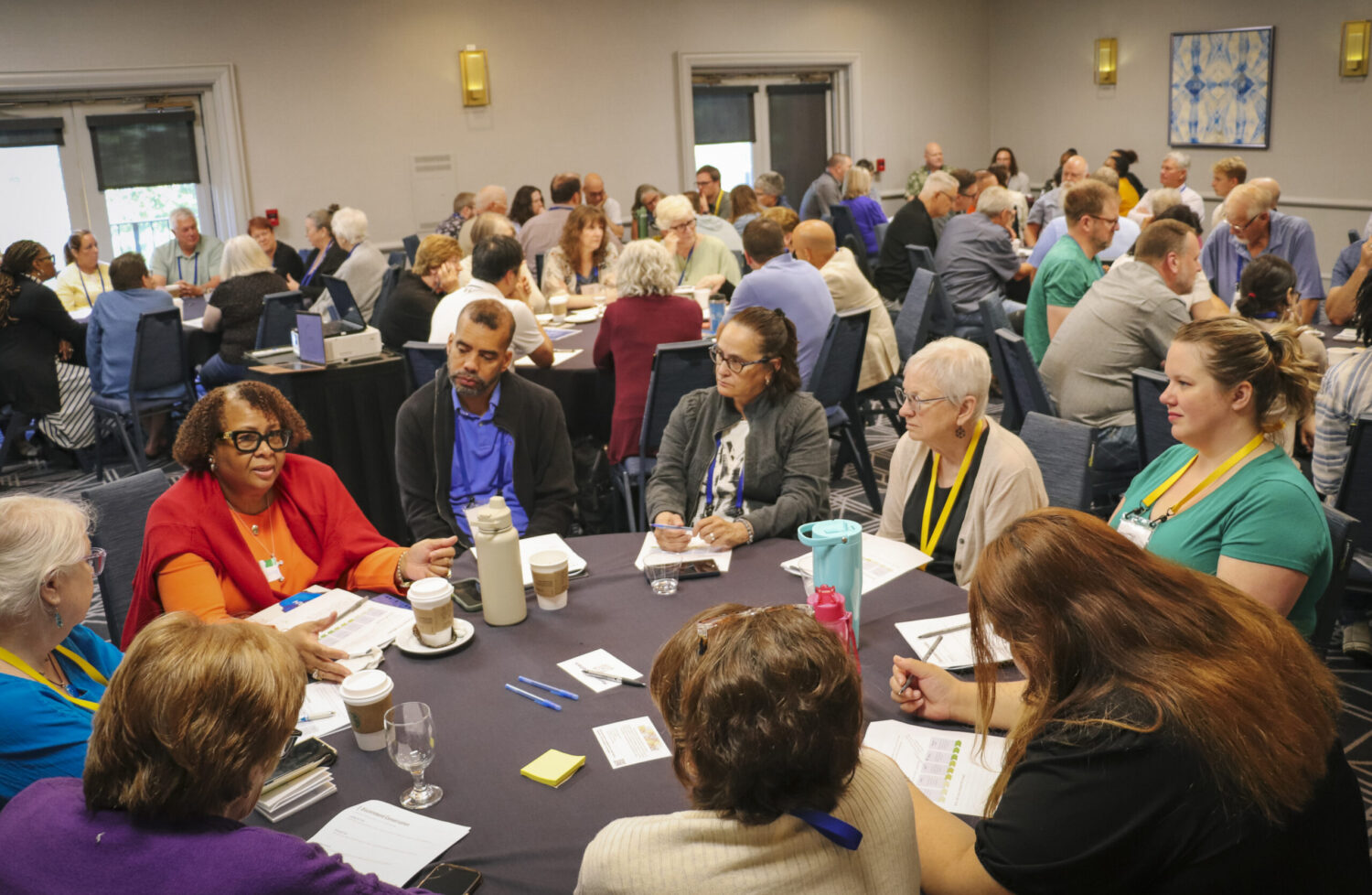
Third was the synodical leadership of women. Women delegates were consistently at the podium and speaking from the floor, and many of these were women of color. Yes, there continue to be reports of exclusion and disregard, but women are now as frequently elected as men to be synod president. This is in stark contrast to recent synods of the CRC, where the percentage of women delegates is going down.
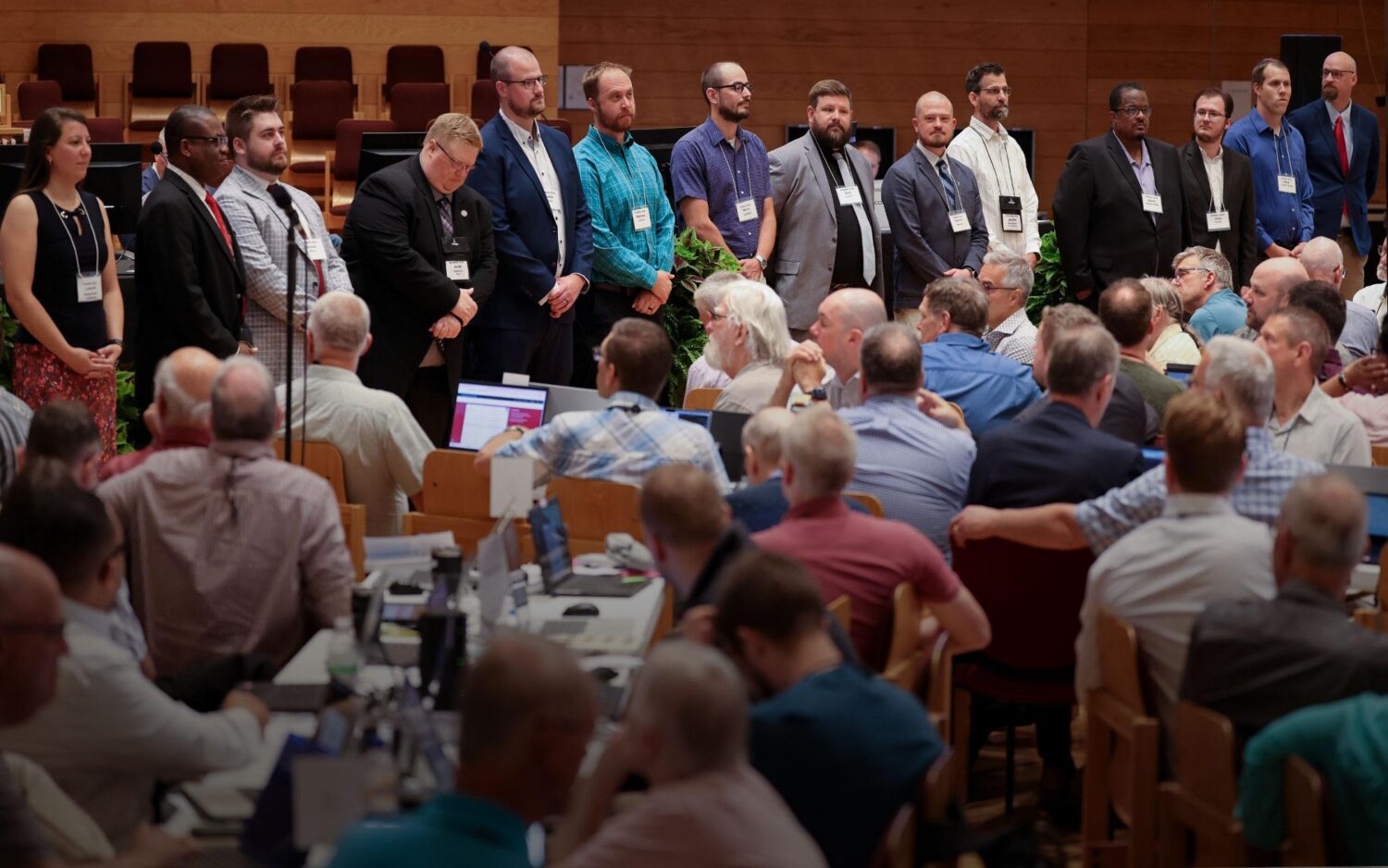
The CRC Synod was also one of consolidation. And tightening. And repudiation.
For consolidation, the LGBTQ question is settled at No, with all office-bearers annually declaring their compliance, and no congregations may openly discuss it. The synod “joyfully” affirmed full communion with the Alliance of Reformed Churches, the body which seceded from the RCA.
For tightening, the synod confirmed higher assemblies absolutely having the right to intervene in local discipline—which is impossible in the RCA. It also declined to speak against Christian Nationalism, committing the topic to study instead.
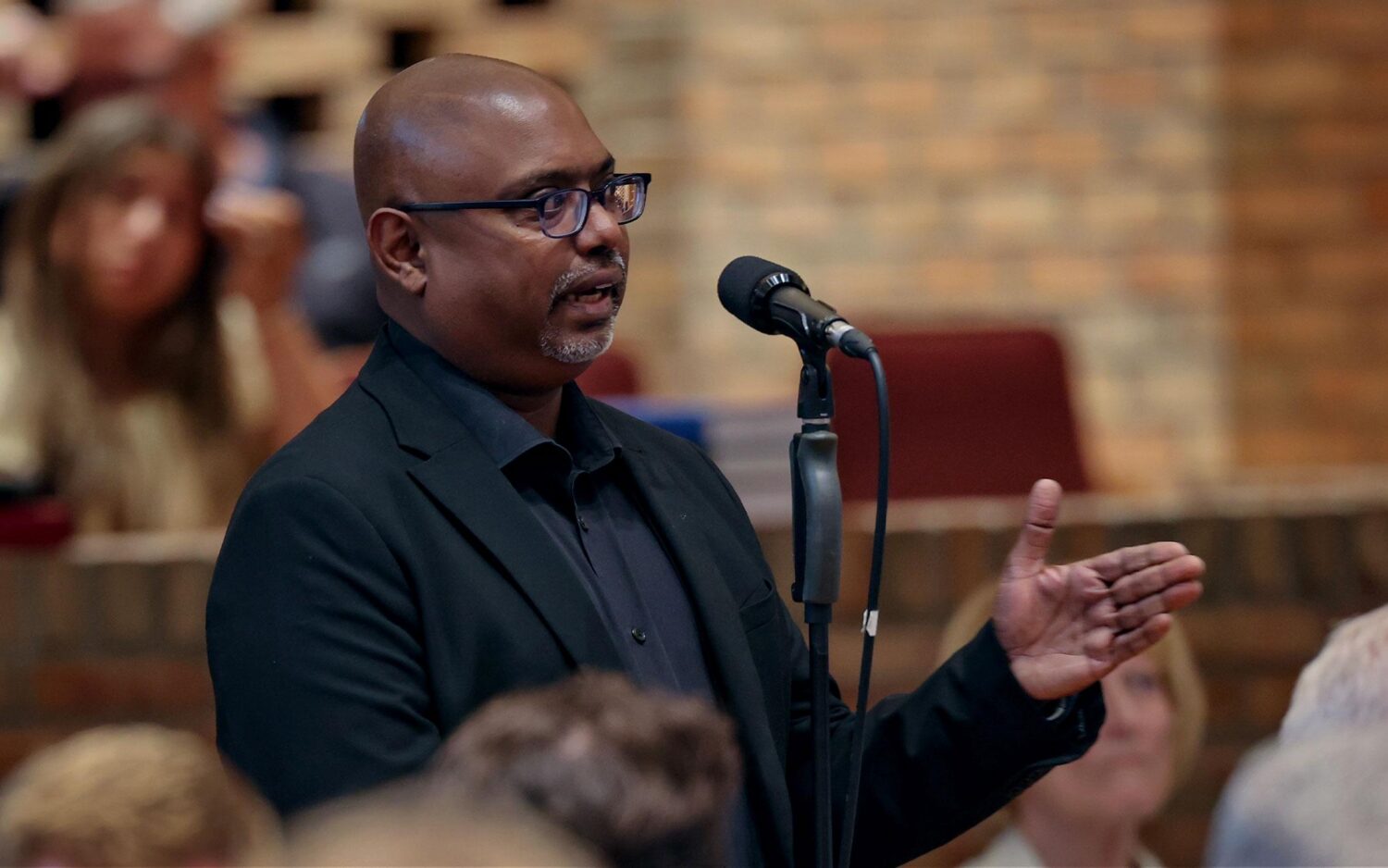
For repudiation, the synod withdrew from the World Communion of Reformed Churches. I will not dignify the reasons given from the floor. Remarkably, the synod had just welcomed the General Secretary of the WCRC as ecumenical guest, the Rev. Philip Vinod Peacock. But the synod repudiated his appeal that communion is based on our being one in Jesus Christ, not on our agreeing with each other.
It was also a repudiation of the prior leadership, and a prior version of the CRC itself, which hosted the first General Council of the WCRC at Calvin College in 2010, after the mighty labors of Peter Borgdorff for its formation. And it was the repudiation of an ecumenical impetus going back through Henry Zwaanstra and Clarence Boomsma to John Kromminga.
In 2014, in Pella, Iowa, I attended the concurrent synods of the RCA and the CRC, where at our joint final worship service Peter Borgdorff preached. Our two denominations had pledged to be as united as possible wherever possible. How much has changed in twelve years since.
The two denominations have “turned corners” in different directions. Their consolidations are not convergent. They are becoming, in the words of Paul Vander Klay, “more like themselves.” How long the CRC will maintain full communion with the always-willing RCA remains to be seen. We can only hope that their divergence will not return them to their old estrangement.
All photos from www.rca.org and www.thebanner.org

38 Responses
A sad, but honest commentary on the two synods and the recent trajectory of the two denominations. I’m grateful for the welcome I (and so many other CRC refugees) have received in the RCA. As a pastor who has recently left the CRCNA and joined the RCA and received a warm welcome, I also ament what the CRCNA has become. It has gone from being a denomination characterized by an expression of Christian faith that, as a 17 year old freshman arriving at Calvin College in the fall of 1991 and coming from a fundamentalist background, I found courageous, compassionate and curious. It has now, regrettably, chosen to become inbred, ignorant and increasingly irrelevant. Perhaps the saddest part of the CRCNA synod was the way in which communion was severed with the WCRC. Despite the pleadings of the chair of the EIRC and the general secretary, the lies, innuendo and false assumptions purveyed by the Abide crowd prevailed. Unfortunately, I have no doubt that after the “three year study period” initiated by last year’s CRCNA synod, that the same type of tactics will be employed (and likely succeed) in severing a relationship of full communion with the RCA as well.
This would seem to restate one of your earlier assertions, Daniel. The RCA sees its mission as serving as yeast and salt, infiltrating, enhancing, embracing the community. The CRC has further embraced its gospel identity as the exemplary “city on a hill” others should like to join.
And by the way, the contrasting pictures tell a story. A picture is worth a thousand words.
Great, informative post, Daniel
Thanks for the summary Dan – things certainly seem to have gone awry in our institutional denominations since our youth in West Sayville. But then again, back in those days we were more concerned with the latest Cream album than the theological tantrums of the 60’s – wish Cal Seerveld was still around to wisk it all away!
Ja. And just as sad is that there is no longer either an RCA church or a CRC church in West Sayville. Only East Islip soldiers on as a CRC.
“For we couldn’t leave her there, you see, to crumble into scale.
She’d saved our lives so many times, living through the gale.
And the laughing, drunken rats who left her to a sorry grave–
They won’t be laughing in another day.
And you, to whom adversity has dealt the final blow,
With smiling bastards lying to you everywhere you go,
Turn to, and put out all your strength of arm and heart and brain
And like the Mary Ellen Carter, rise again.”
To give credit where due: Dan is not quoting Ginger Baker or Eric Clapton, or Abraham Kuyper or Ken Medema, but the great Canadian troubadour Stan Rogers (1949-1983), snatched from us far too soon. His songs — with his rich voice and fine guitar work — can lift the spirits even in these dark times.
The CRC crashed the Pella Accord, then left the scene of the crash. Along with several other RCA/CRC pairs, Terry DeYoung and I, who were leading our respective Disability Concerns ministries at the time, addressed a joint session in Pella. Delegates hugged. Apologies were spoken. Now, in Meeter’s word, the CRC has “repudiated” all of that. I’m sad and angry and reaffirmed in my decision to resign my ordination in the CRC and be ordained in the RCA. The CRC is once again embracing the motto, “In our isolation is our strength.”
It was my privilege to work with you and Terry. It’s hard to believe that the CRCNA seems to think excluding people is better than “Everybody belongs, everybody serves.” God bless you.
Thanks Curt. God bless you and yours too
You will be welcome in the RCA, Mark!
Thank you, Lisa. I’m delighted to say thay I have been welcomed warmly as a minister of the Word and Sacrament in the RCA. And through his writing, Dr. Meeter was a mentor to me as I prepared for my RCA classis examination, for which I’m also grateful.
Thanks for the stark comparison of these two synods. I wish you had included observations about how the CRC synod dealt with Calvin University and its board. A delegate found a gay flag in its halls. Why would the CRC want to continue to own such a den of iniquity? Many CRC parents won’t send their sons and daughters to such a liberal institution. You’d think the CRC would disconnect with the university for the same reasons it disconnected with the WCRC. Care to add a comment?
Well, at first glance, my comment would be that Calvin University is the CRC’s hugest single financial asset. In other words, follow the money. A costly asset, true, but so are most valuable assets. There is no sphere-sovereignty when it comes to Calvin. The CRC owns Calvin, but it had to share in the WCRC. And further, I believe that the current powers of the CRC really do believe that they can turn Calvin into something like another Hillsdale. They know that academics like to keep their jobs.
Thanks for another insightful piece, Daniel! Added to your list of repudiated CRC ecumenists of the past (Borgdorff, Zwaanstra, Boomsma, Kromminga) could be Tymen Hofman, Gerard Bouma, Leonard Hofman, David Engelhard, Richard Van Houten, Emily Brink, et al.–and, more recently, William Koopmans.
I am glad to see the list of more recent “repudiators”, several of whom I had good relationships with during my years at Calvin Seminary .
Tymen and Emily, I have esteemed them both. Tymen from the Neland pulpit, in his robe, also generously informing me that the hymn “God of the Prophets” was written for New Brunswick Seminary. Emily calming me down and encouraging me.
Good memories
Thanks for the excellent comparison of the two synods, Daniel. Like you, I have significant experience in both denominations, and I am extremely disappointed with the direction the CRC, the denomination of my raising in the faith, has taken. I corresponded with WCRC General Secretary Philip Peacock directly after their decision, and he was generous in his forgiveness of the way he (and, by extension, the WCRC) was treated by the synod. Having seen a less gracious side of the RCA General Synod while I was president, I was delighted that this gathering was bold, welcoming and gracious with an exuberant spirit. I am grateful that God led us to the RCA back in the 1980’s for personal reasons (largely consistent with what you described in the synod), and I am thankful that its witness is blossoming in ways that are bold and meaningful. Again, thank you!
As a pastor who was on the frontlines of the dreadful CRC Synod of 22, I can tell you’ll that the fundamentalist direction of the CRC is not a surprise. I am thankful for the RCA for providing me a place of refuge to continue my ministry. I wonder if the RCA should rethink its communion with such a denomination.
Thank you for your article. I was saddened and angered by the overall tone while watching the CRC synod. Church unity is no longer a value. Unity seems to be a stronger Scriptural theme than LGBTQA issues.
Thank you, as always, Daniel, for your insight. I had looked at the summaries of both conferences and though not truly familiar with the CRC, I had gotten a similar impression. I was appalled about the vote to sever relations with the World Church after the representative had so eloquently spoke. Very sad situation.
Dan, you probably remember my school teacher husband 😄. I hear voices in these responses from my seminary days in the education program. I left the CRC in 1996 after attending WTS for the MDiv. No ordination for the renegade me in the CRC. I am a happy Presbyterian, but I value the people named here in the comments.
I’d add Kristen DuMez, whose blog today addresses the same issues. I was singing in the choir at the founding meeting of WCRC. I also have relatives in the Abide crowd and live in an area of Alliance churches.
Thanks for your insights.
Yes, my 7th and 8th grade Social Studies teacher at Eastern Christian Junior High School in Prospect Park, New Jersey, of whom many delightful stories could be told. Not least was the rectangle he would put up on the board in yellow chalk. For the uninitiated, the map of his home state.
Hello, just an editorial note to say that the footnotes from the statement on Christian Nationalism were unintentionally omitted from news coverage of the RCA’s synod. They have been added back in and do reference Scripture, the Belgic Confession, the Heidelberg Catechism, and the Belhar Confession, among other sources. Thank you for alerting me to this error, and please accept my apologies.
You’ve brought back memories, Daniel, with this. I stood in front of the joint 2014 RCA-CRC Synod as chair of the RCA’s Commission on Christian Unity alongside Rebecca Warren, chair of the CRC’s EIRC. Together we had the privilege of presenting the joint recommendations. And we meant what we said. Rebecca was the finest of colleagues. So were Mark Stephenson and Peter Borgdorff and Bob DeMoor and Gary Mulder and Pat Nederveld and so many others. We didn’t agree on everything, but we listened and collaborated and learned, and respect ran deep and wide. I can’t believe that what’s happened since is our gospel calling.
I’m a sad retired crcna pastor today. Our self righteousness is showing and it’s not attractive, once again.
I appreciate these paragraphs from the Reformed Journal in 2010 concerning the WCRC:
“I don’t mean to be flippant, but “social justice” is the main concern of civil government, not the church. This is an example of the politicization of Christian witness on both left and right which James Davison Hunter analyzes in his new book, To Change The World (Oxford, 2010). It is certainly true that on such issues the church is responsible to be prophetic in speech and active in demonstrating a just and wholesome life in real and even institutional ways, but to consider this the main concern of a church body is to miss the main concern of a church body. Unfortunately, this is not rare among the churches of the WCRC, the most Protestant and secularized of the world ecumenical groups, and with the weakest common ecclesiology.
I want to be clear that I think it’s right for the WCRC to be focused on the Accra issues (while the Anglican Communion is preoccupied with the sexuality of its bishops). I believe that justice in the economy and the earth is the great issue of our time, and critical to the church’s credibility. But it seems to me that the Reformed tradition can do better than “social justice”–to the actual benefit of social justice. It seems to me that the main concern of the WCRC is the Lordship of Jesus Christ, or in classic terms, the Sovereignty of God, or in gospel terms, the Kingdom of God or the Reign of God. As the Belhar says, “Jesus is Lord,” and this makes all the difference for justice in the world and in the human race. Making some version of the Kingdom of God the main concern of the WCRC will also provide a place for such other concerns as worship, doctrine, ecumenical dialogue, and inter-faith dialogue. Otherwise, the WCRC will have no right to consider itself a “communion” instead of just a big religious NGO.”
I appreciate the author in 2010 explicitly stating his concerns about the WCRC which all came to pass and thus shows the WCRC is simply a big NGO and not a communion of churches.
Link: https://reformedjournal.com/2010/12/01/observations-on-the-world-communion-of-reformed-churches/
I do hope that others read the full article, and I stand by what I wrote above as one of the things I still worry about. I also wrote therein that I believed the WCRC deserves our full participation and support, and that it is truly a communion in the sense of the Apostles Creed, and about how I was first skeptical about the Native American theme but then I was converted by it as it as I experienced it and that we were reconciled by the Native Americans. It is turning out, despite the constant risks, as not another NGO. But, sadly, the CRCNA is preventing itself from having such converting and reconciling experiences. And isn’t the point that you don’t have to agree with a majority thematic emphasis to still be in communion?
As Mark Stephenson noted above, he and I were privileged to address delegates during a joint session of the RCA and CRC synods meeting in Pella in 2014. Today, I’m sorry and sad for our Disability Concerns volunteers throughout the U.S. and Canada who embraced our shared work with enthusiasm, gratitude, and hope. I’m frustrated and angry with the self-righteous purists (in both denominations) who have done and are doing such damage to the church and its witness. It’s heartbreaking. Along with several other shared CRC-RCA ministries, Disability Concerns did great work, people were blessed, and, I trust, God was pleased. We have nothing to apologize for.
Thank you for your insightful reflections Daniel. I feel like we are shrinking the table
I’m a 80 yr old Christian by grace and reformed by choice. I won’t get into the weeds to much but I’ve always wondered why the Good Samaritan and prodigal son stories really isnt talked about much. The acts of the prodigal sons as well as what the Samaritan did should say to us love each other and let God be the judge. In order to do that we need a heart change which Jesus can do for us. This heart change will allow for continued conversations as to how we might make a difference in this world. No lines in the sand are needed as they create a us versus them mentality.
As many open-minded CRC clergy are making their way into the RCA, I would love an update as to the picture of whether and how many CRC congregations are also asking to be transferred into the RCA.
So would I!
Thank you for the report, Daniel. I no longer recognize my mother church and the denomination I served for 48 years. I will be glad when my adoption papers are finalized for my welcome into the RCA family.
It is clear that the impulse to “purity” and separation that is embedded in the CRCNA’s DNA is stubbornly resistant.
Daniel,
Thanks as always for your perceptive observations which you are so gifted at offering. I’ll just add a note of background. Peter Borgdorff and I promoted the “Pella Accord” at the joint synods meeting modeled after the “Lund Principle” which the ecumenical movement adopted early on (from a conference in Lund Sweden) committing churches to do together, instead of separately, all things possible except where “conscience” might prevent this. What I most remember from Pella was the time of confession, when delegates at tables, sitting as CRC and RCA delegates together, were able to confess the points of pain, judgment, and mutual injury which they had experienced; some of these were shared with the joint synods as a whole. The most fruitful ecumenical initiatives, in my view, begin with confession. Peter and I felt what happened at Pella was one of the more hopeful actions seeking concretely for the unity of Christ’s body that we had experienced. Of course we recognized the challenges it posed. But neither of us would have imagined the disastrous events which would follow years later, including the CRC’s withdrawal from the WCRC which they were crucial in forming.
Oh yes, I remember those confession tables. Unforgettable, and quite moving. Converting, in the large sense.
So… the RCA Engaged in perfomative political activism with no ability to enforce?
And the CRC doubled down on reformed confessionalism with high levels of enforcement.
Who wins??
Well, call testifying and bearing witness “performative political activism” if you’d like (though how it’s “activism” is beyond me). But “no ability to enforce”? If you mean the one thing you could mean, true enough, the church, in most places, lost its coercive power over politics some centuries ago, and if you mean the second thing you could mean, there certainly does remain in the RCA power to enforce, but the Church Order carefully defines at which level who has original authority over whom. Enforcement authority in the Reformed Church is always, always, from the bottom up. And finally, a church need not always choose to enforce what it can enforce.