
In the last few years, one of the best things I’ve done for myself is getting off social media (mostly). A few years ago, I pulled the trigger on getting rid of my Facebook. Shortly after, I did the same thing with Twitter. Last fall, I quit TikTok cold turkey. I’ve held on to Instagram, but can go days without thinking about it or checking the app.

Like many others, I had noticed these platforms getting worse and worse. They stopped being any fun; in fact, they really just started to stress me out. I also didn’t like how I felt physically or mentally after mindlessly scrolling. I haven’t had any regrets about getting rid of Facebook, Twitter, or TikTok and limiting my presence on other platforms.
In the last month or so, I’ve unintentionally done a lot of reading and listening and thinking about our relationship with technology.
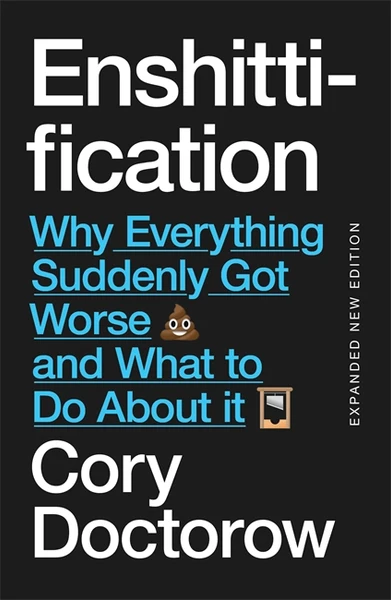
My best friend and I finished Cory Doctorow’s Enshittification: Why Everything Suddenly Got Worse and What to Do About It, which was so good and brilliant that I quickly followed it up with his latest book The Reverse Centaur’s Guide to Life after AI.
In Enshittification, Doctorow explores why and how the internet is getting worse — think about the golden age of Facebook and what it is today, think about what Amazon used to be and what a mess it is now, as just two examples.
One thing I loved about the book is that he not only explains exactly how we got into this mess but also offers a robust range of solutions, the last 100+ pages of the book! The Reverse Centaur’s Guide to Life after AI interrogates the role of AI in our lives, how it is supposed to work for us rather than us being slaves to AI slop as we currently are.
It’s difficult to sum up the scope of Doctorow’s work in both these books but one of his main arguments is that technology, the internet, and the digital world need to serve humanity, rather than the other way around. These things are meant to connect and help us, not bog us down.
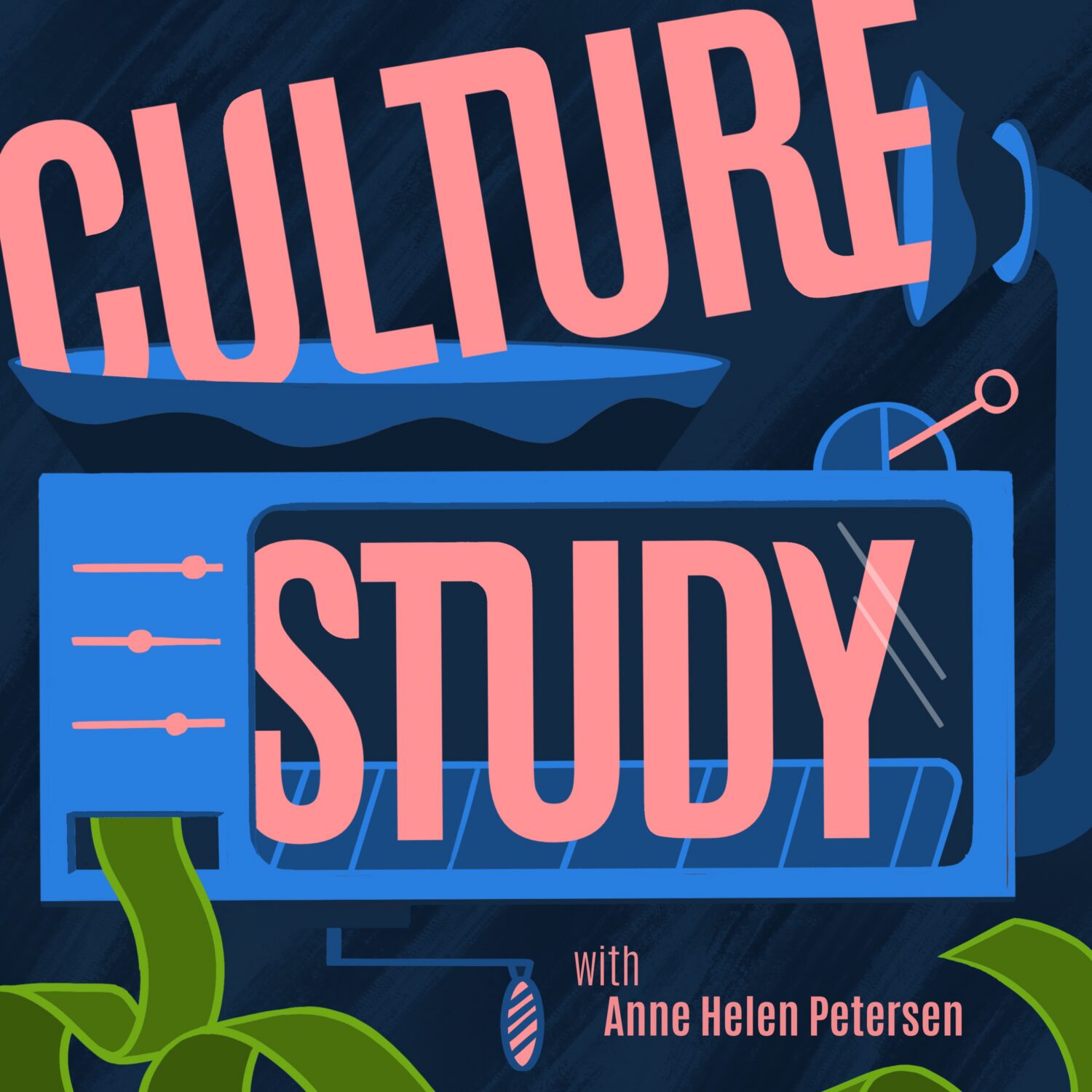
Two episodes of one of my favorite podcasts, The Culture Study podcast, also inadvertently touched on some of these same themes. The episode, “Is the Age of Posting Over?” delved into how individuals use social media and the changes in the ways we post about our lives, weigh privacy concerns, and spend time on social media. “When Convenience Actually Kinda Sucks” explored the many platforms we now have to engage with to make life “convenient” and interrogated the ways these platforms often hurt more than they help.
Now I’m not a complete Luddite; I’m not here to jettison all technology from our lives. But I frequently find myself thinking about the real purpose of many of these platforms and who is making money off of all of this social media and technology we engage with. And I certainly think many of us could stand to have a more thoughtful and intentional relationship with technology.
Like the books and podcast episodes I’ve read and listened to in the last month, I increasingly find myself wondering if many of our technologies are helping or hurting us. Is this technology doing something for me or am I just a pawn in a tech company’s latest exploitative, money-making scheme? Is this actually making our lives easier/better/more convenient or is it a net negative? How do we balance connecting in this digital age while also protecting and cultivating our privacy?
Alas, I don’t pretend to have answers to any of these questions, but it’s been refreshing to read and hear about how others are grappling with the same questions I’ve been mulling over. Technology is supposed to make our lives better, and when it stops doing that, when we are exploited, demeaned, and drained by these platforms and the tech companies that run them, we need to name it. More than that, we can and should call for changes that empower us and benefit all people, not the select few.
Headed photo by Resume Genius on Unsplash
