
Maryland/Washington DC is currently buried under “snowcrete.”
On February 5, we had the equivalent of 30+ inches of precipitation fall from the sky under freezing temperatures. Only 6 of those were fluffy, white snow. We woke that morning to a lovely snow globe outside — a particular novelty because we rarely get it — but by mid morning the ice and sleet began to fall. Our beautiful snow, now covered with a thick, impenetrable layer of ice. I hate ice.

On a morning run earlier this week, I carefully traversed the single plowed lane watching neighbors pick away at the ice in their driveways. They, like us, likely cracked the plastic shovels ages ago. They probably flattened the tips of their metal shovels too. One woman was outside with a sledgehammer swinging with all her might. Another had a pick ax, chipping away one chunk at a time.

The clinking of their tools resonated with the current state of my soul. The horrific displays of racism in our country — and the ensuing silence and defense of it — remind me that racism is a thick ice to penetrate. There’s layer upon layer that has frozen in place, aided by the dirt of our prejudice, and the salt of unrelenting institutional power. And just when we think we’ve made progress, all hell freezes over again.
The blog posted last week, “A Letter to Reformed Communities” should serve as a cold and stark warning. Winter is coming. Nevermind the fact it never left — winter is coming.
Churches across North America who honor and celebrate Black History Month oftentimes include Spirituals in their worship services. This genre of song, written by enslaved African Americans, reminds us that the groans and cries of persons of color have been resounding in our country, in our communities, and yes. . . our churches for centuries.
Handed down through generations, many of these songs have become familiar in our (sometimes exclusively white) houses of worship, and we sing them with good intention. Though unfamiliar linguistically and tonally, we sing them as a way of identifying with and caring for our Black siblings in Christ from whom these heartsongs live deep within their bones.
As we sing, we remember — what was happening to the writer who first sang “Nobody knows the trouble I’ve seen? Nobody knows but Jesus.”
As we sing, we lament — the pain of the writer who was forced to sing “Sometimes I feel like a motherless child, a long ways from home.”
As we sing, we weep — coded messages embedded in congregational song, sung as prayers of survival, “Steal away to Jesus! Steal away, steal away home. I ain’t got long to stay here.”
When we as a congregation sing spirituals — when we remember, and lament, and weep — we chip away at the ice on the surface, one note at a time. Clink, clink, clink.
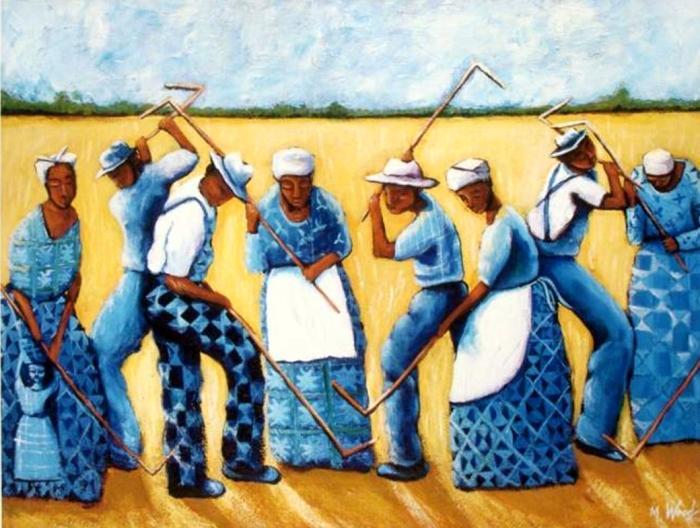
But what lies beneath the surface of that top layer of ice is an impenetrable institutional racism that most of us are likely not even aware of.
You may or may not know that your church pays (or at least they should be) for the songs you sing. Whether you use a hymnal, or the CCLI top 100 in your worship, you pay royalties for the songs you sing each week. This is a way of honoring the writer, whether deceased or still living, compensating them for their contribution and the work of their hands. Strict copyright laws are in place to protect artists, ensuring they are properly honored for their work. Through costly licenses and annual reporting of songs sung, your church pays a small amount for what you sing. Except for spirituals.
Since many were handed down through the generations, sung to babies in arms, workers in fields, and houses of worship, there are no names associated with much of this genre of song. There is nobody to honor or recognize for their contribution and gift to the church. So we have willfully declined to pay royalties in the name of “unknown.”
While we pick away at the ice, there is a growing movement that can help your church dig a bit deeper. The Center for Congregational Song has started a reparations royalty program. This three-step program helps churches come up with an educated and informed plan to begin to pay royalties for the spirituals they sing (and have sung). Some churches use the money collected to fund Black musician scholarships in universities. Some designate the money to the music department at HBCU schools. Others find local causes to support and partner with Black musicianship.
This program encourages open dialogue within the church, and also with the watching world about what is being done and why. If you google “royalties for spirituals,” you’ll find many churches publicly posting their programs on their websites, and printing them in weekly orders of worship.
While quiet reparations are a swing of the ax, the permafrost of racism looms large, dear friends, and demands something more of us. This is a tangible and “snowcrete” way to do something in a time when many of us feel helpless. These remaining days of Black History Month are a perfect time to start the conversation within your own church or local choir. Winter is coming.

7 Responses
This is good. Thanks
I love this idea. Thanks for spreading the information and care.
I learn something new every day!! I’ll pass it on.
Thanks for this insight. What’s you favorite spiritual? Mine is “Hold On” Composer unknown, Arranged by Victor Johnson.
Thanks for this, Katie. A lot of us are rethinking justice, compassion, and civil engagement these days. Unfortunately, the word “reparations” itself triggers a for-or- against reaction. I wonder if the (dwindling) church might need to reorient its priorities in order to again fill those compassion and mercy gaps that the taxpayers do not wish to subsidize. Should our outward giving exceed our inward giving? Just like the early Christians when they were titled Christ-ians.
Thank you for an insightful and jarring metaphor — “There’s layer upon layer that has frozen in place, aided by the dirt of our prejudice, and the salt of unrelenting institutional power.” Unfortunate but true.
This is the least we can do. Let’s make it happen.