I remember the line from Rhymefest, a Chicago hip-hop artist, that stopped me in my tracks. The young man in the song, fresh out of high school, enlists with an Army recruiter at the mall for the promise of a scholarship. A few bars later he’s finished boot camp and taking gunfire in Iraq:
He ain’t really a killer, though, taking a lot of risk.
This is what a poor person do for a scholarship.
I remember, too, the line from Steve Earle, a Texas alt-country troubadour, that caught me cold and put a lump in my throat. The young man in the song, bald eagle tattoo, red-white-and-blue to the bone, enlists in the aftermath of 9/11 to defend what he loved:
Left behind a pretty young wife and a baby girl.
A stack of overdue bills and went off to save the world.
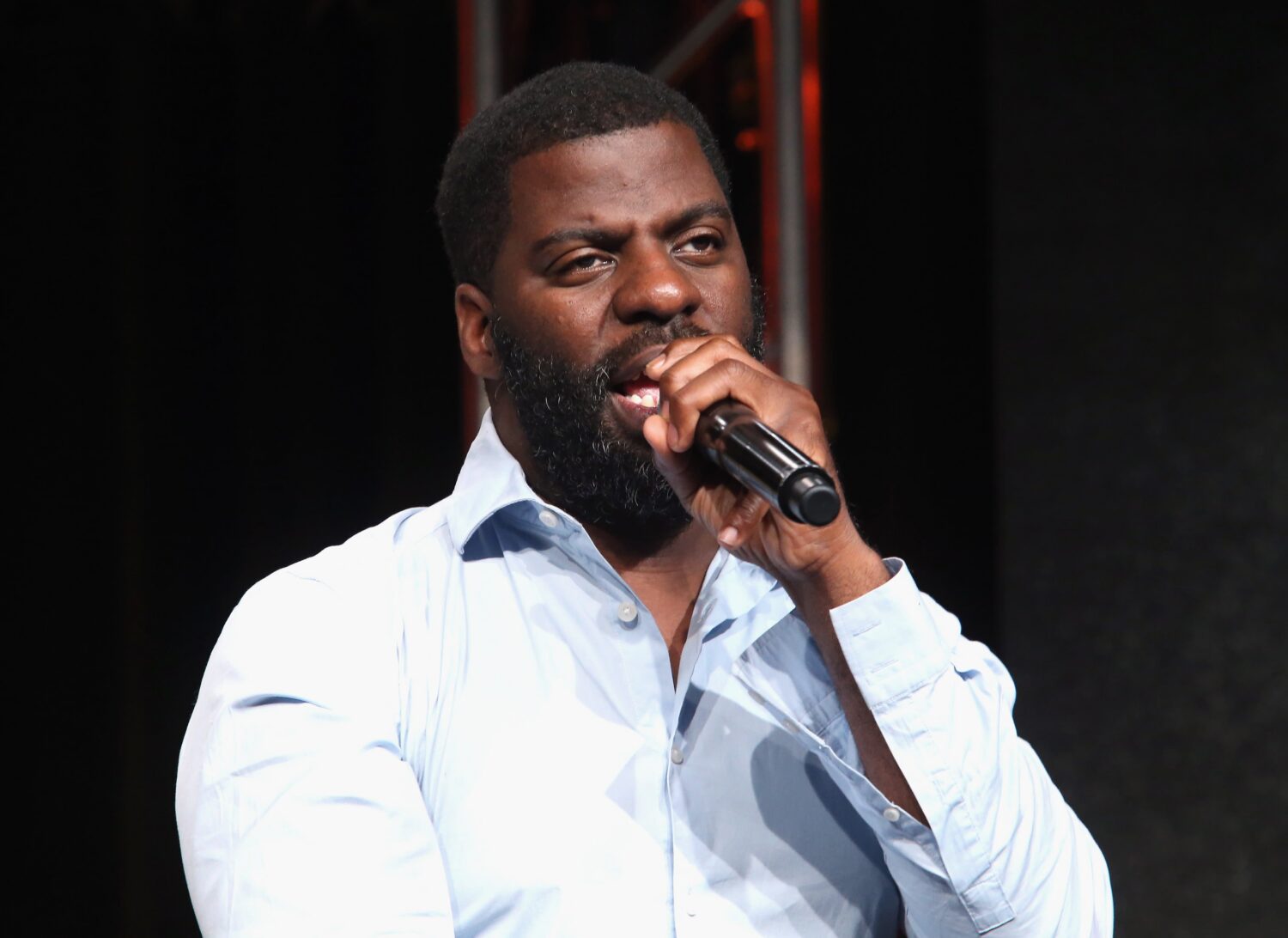
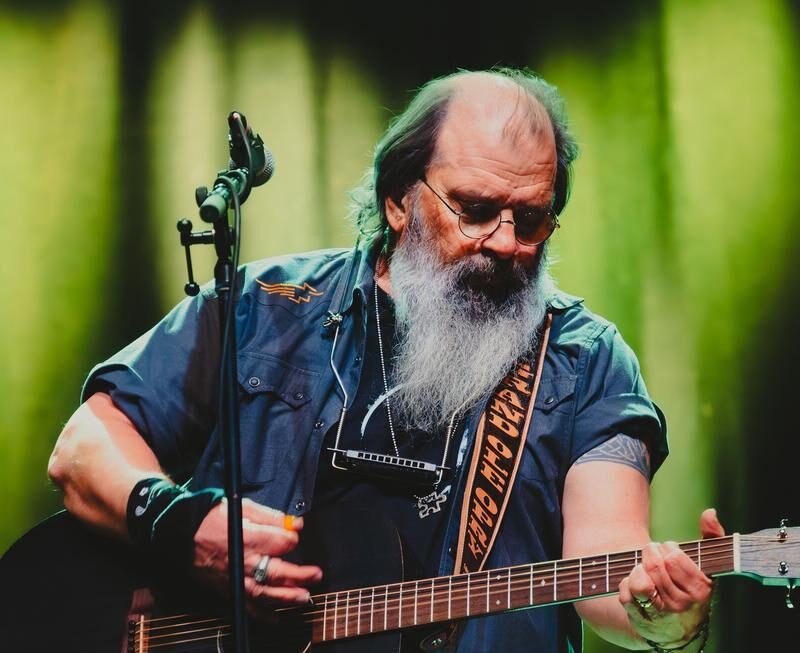
I was in my early 20s when I heard Rhymefest’s “Bullet” and Earle’s “Rich Man’s War.” I worked hard for my education, but I never had to make a choice as difficult as enlisting to pay for college. “Bullet” put the life-changing gift of education in a whole new light. My convictions led me to anti-war marches, letter-writing campaigns, and voluntary service overseas. “Rich Man’s War” showed me there were young conservatives every bit as idealistic as I was, their convictions leading them to support the wars in Afghanistan and Iraq. Both songs offered reminders, as great art often does, that we are not alone in the face of violence.
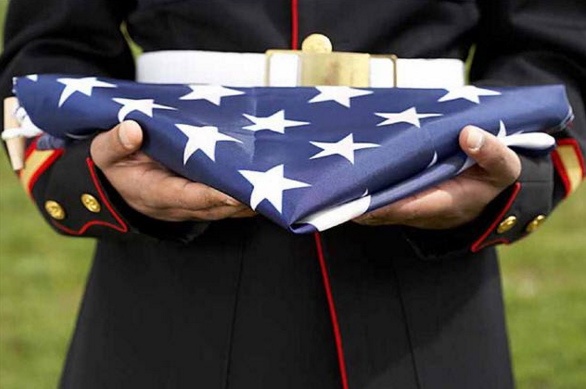
Now, some twenty years later, I no longer identify myself with the young soldiers sent to fight overseas. I compare them to my sons. I suppose I’m joining an endless line of parents throughout history in worrying about their children under war-hungry rulers. In his eloquent post last week, Tom Walcott reflected on serving as a military chaplain, accompanying officers as they delivered death notifications to the families of service members. Like him, I think about the families of service members now. What must it be like to serve under a Commander in Chief who can’t articulate a clear reason for starting a war with Iran? What must it be like to serve under a manifestly unqualified and unserious Secretary of War?
Wars are fundamentally uncontrollable. The enemy always gets a vote, as the saying goes. That’s true in the best of cases, with careful planning, well-articulated goals, effective checks and balances, and humble and prudent leadership. We don’t have any of that.
I didn’t realize it until now, but those two songs have something else in common. Each presents a young person in a world that defines them as individual consumers. One figure wanders aimless in a shopping mall, the other is bound by the bills he’s left unpaid. So much in our culture trains us to see ourselves this way. George W. Bush famously told Americans to go shopping to support their country after 9/11–the economy must be nurtured at all costs.
One of the reasons we take our kids to church, as often as we can, is that we are looking for counterprogramming to this consumerist ethic. “We have erred and strayed from your ways like lost sheep,” we confessed this past Sunday in our opening liturgy. “How long will you grieve,” we read from 1 Samuel. “You spread a table before me in the presence of those who trouble me,” our choir sang from the Psalms.
“Lamb of God, you take away the sins of the world, grant us peace,” we sang during the Eucharist.
I’m not sure how it all holds together. I’m not sure what our boys took away as they fidgeted beside me. But I wonder if the most important words we read are “we” and “us”—the words that affirm our collective identity.
What I want most for my kids, after their safety, is a sense of self rooted in others. I want them to know that they are fiercely beloved as family, as community, even as citizens, with all the obligation and accountability that role requires. I want them to understand citizenship as more than voting every couple of years, more even than attending protests or posting on social media or putting up with fundraising texts or political attacks ads (thank you, YouTube, for serving up those to my kids).
I want them to see citizenship as participating rec sports leagues and potlucks and bringing groceries to neighbors and even waiting in the back of community organizing meetings, video console in hand, when we don’t have childcare.
Is that enough to stop wars? No, of course not. But maybe that’s the wrong question.
The most compelling piece of journalism I’ve read this year is Adam Serwer’s dispatch from Minnesota in The Atlantic in late January, “Minnesota Proved MAGA Wrong.“ Serwer followed everyday Minnesotans who, in addition to following ICE with whistles and car horns, quietly brought groceries, diapers, rent assistance, and school supplies to families afraid to leave their homes. They were doing the opposite of virtue signaling: Conducting generous acts without any signal that might bring unwanted attention. Few considered themselves activists before the federal occupation; one mother got involved when more than 100 students at her daughter’s elementary school stopped coming in out of fear. She helped organize playdates for kids stuck inside.
Serwer describes the unifying philosophy of the Minnesota resistance as “neighborism” – “a commitment to protecting the people around you, no matter who they are or where they came from.”
“Minnesotans are insisting that their neighbors are their neighbors whether they were born in Minneapolis or Mogadishu,” he writes. “That is, arguably, a deeply Christian philosophy, one apparently loathed by some of the most powerful Christians in America.”
The piece is worth reading in full for the heartening stories of resistance. But if you don’t get to it (or if it’s paywalled), take a moment for this section:
Every social theory undergirding Trumpism has been broken on the steel of Minnesotan resolve. The multiracial community in Minneapolis was supposed to shatter. It did not. It held until Bovino was forced out of the Twin Cities with his long coat between his legs.
The secret fear of the morally depraved is that virtue is actually common, and that they’re the ones who are alone. In Minnesota, all of the ideological cornerstones of MAGA have been proved false at once. Minnesotans, not the armed thugs of ICE and the Border Patrol, are brave. Minnesotans have shown that their community is socially cohesive—because of its diversity and not in spite of it. Minnesotans have found and loved one another in a world atomized by social media, where empty men have tried to fill their lonely soul with lies about their own inherent superiority. Minnesotans have preserved everything worthwhile about “Western civilization,” while armed brutes try to tear it down by force.
I don’t know how it all holds together. But there’s a moral clarity here that I want for my kids, and for all of us. To see ourselves more fully as citizens, not just consumers. As neighbors. As beloved.
Header photo by Filip Andrejevic on Unsplash