
One of our biggest arguments when we first married was about town lines.
I grew up in Walpole, a small suburb outside of Boston. Paul grew up in Wichita, Kansas. I am typically easy going, until I am not. On this particular topic, I was so sure I was right. And stubbornness is my native language.
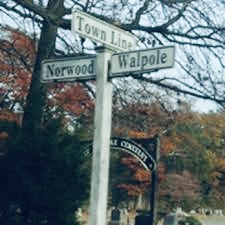
Paul questioned my belief that everyone lived in a town. My lived experience told me otherwise. As I drove all over Massachusetts, I would cross town lines, leaving one and entering another. A sign designated exactly when I left Walpole and entered Norwood. Towns had borders. I was always either in one town or the next.
I am not sure why it was so important to be right on this, but I refused to acquiesce to the idea that someone could be townless, could live in no man’s land. How would one address an envelope? How would the mail person know where to deliver the mail? Every home was located on land that had a street name and number, followed by a town, followed by a two-letter state abbreviation, followed by a zip code. These are the rules. Don’t try to convince me that townlessness exists. I am no fool.
I was wrong. Apparently, there are things called rural routes in counties with no designated street or town.
When was the last time you changed your mind? What did it take? Evidence? Did it mean admitting you were wrong? Were you exposed to new information? What grew your concept of what was possible? What made you rethink something?
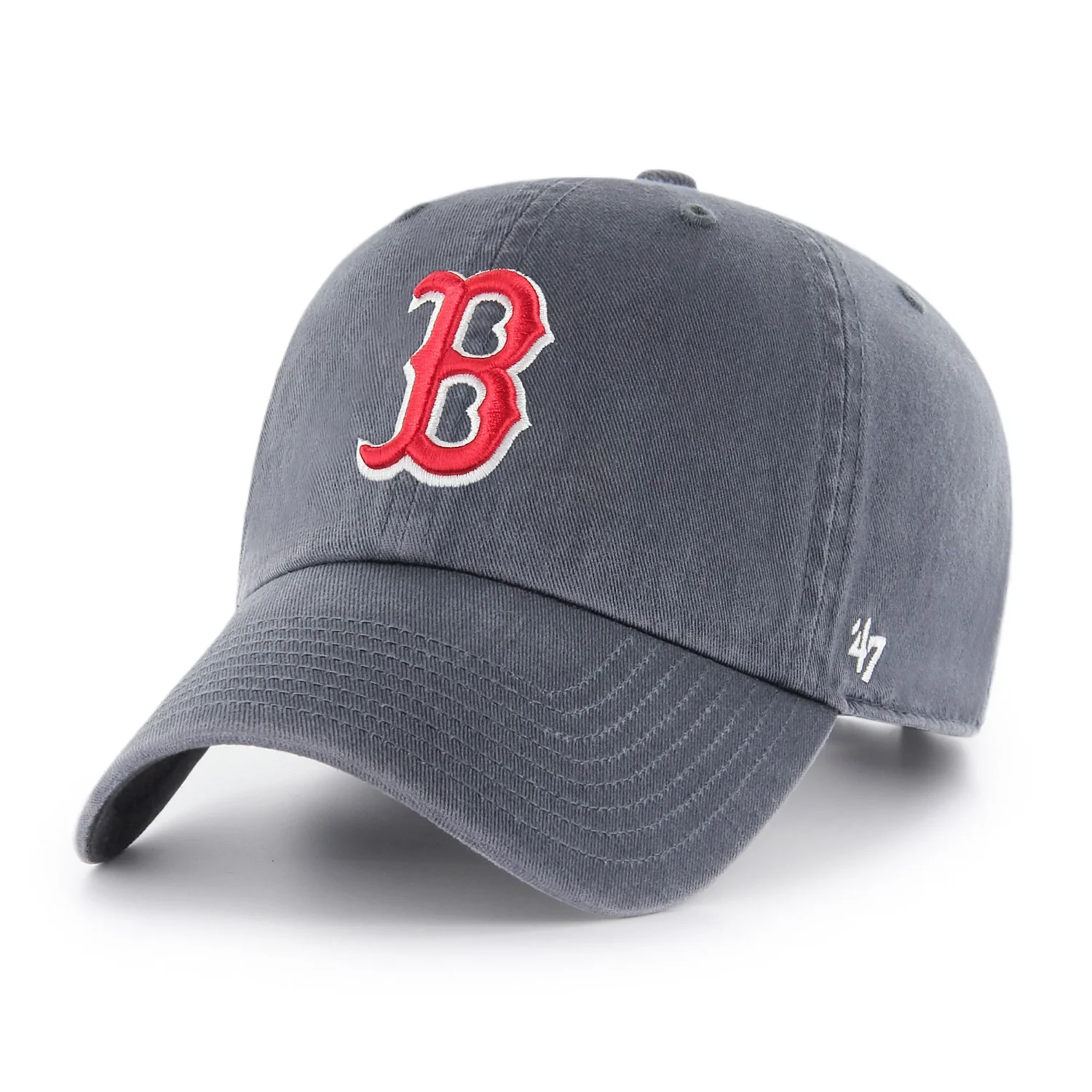
It might sound silly, but the argument over town lines felt core to my experience and to my identity, a sense of local pride, of being a Boston girl. We drank from bubblahs not water fountains. We wore sneakahs not tennis shoes. I wore a tattered blue baseball cap with an embroidered red and white B. It signified something. It said I was a part of something bigger, a legendary team but more than that, a community of fans, a history of a city and its local towns. We were and are Boston Strong — gritty and direct — more salty than sweet. What you see is what you get. And in no way was I going to let a Kansas guy who said warshing machine and ceement, tell me about my lived experience.
Paul gets more of my saltiness than most. He has stories to tell. If you happen to get into a conversation with him, it will not take long before you discover he is a Liverpool Football Club supporter. And you likely would get a glimpse of his tattoo which he will explain does not simply represent his love for the team, but even more so his affection for the people and city of Liverpool. It is a city filled with stories of hardship and resilience, beauty, and brilliance. He would explain the Liver Bird, pronounced Ly-ver-bird. He would invite you to listen to the anthem, You’ll Never Walk Alone. And he will tell you the story of the 97 and the two flames. But you will have to ask him yourself to get the whole story.
Stories shape our identity. They get passed down, tales are told, legends are made, symbols become talismans. We collect them, wear them, and engrave ourselves with them. We identify with them. We are storied creatures who desire to belong.
So, how can a simple question threaten belonging? What makes the gut tighten, the pulse quicken, the cheeks flush? A question is posed. The body prepares to defend. Instincts kick in without permission. Our nervous system reacts. It does not distinguish between being chased by a dog or being questioned about a belief. It experiences the same chemical reaction. A threat is registered. Safety is at risk.
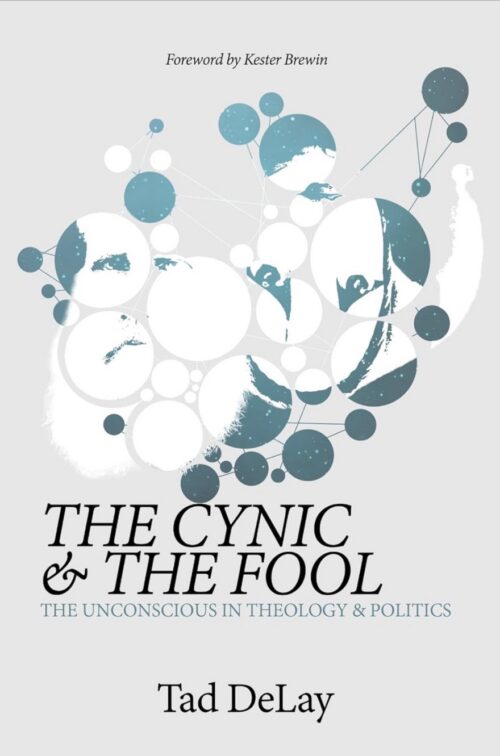
As I was thinking about this blog and the day it would come out, April Fool’s Day, I pulled out a brilliant book I had read in 2018, The Cynic and the Fool, The Unconscious in Theology and Politics by Tad Delay. It is one of those books that gets under your skin and hangs on. I am endlessly curious to understand what makes some people double down when faced with conflicting evidence and why others can absorb new evidence and reconsider a belief. This passage helps shed some light:
An illusion is a belief propped up with a wish. Whether the belief is right or wrong is irrelevant for the moment because the illusion gives us security. Evidence itself is not a weapon against the shield of a wish or desire. People lose beliefs not when they are disproved but when they no longer wish them to be true.
We are all believers. We inherit, learn, create, and absorb beliefs. We also all desire — to be right, to be good, to be strong, to belong, to ____ (fill in your own). We will protect and defend our beliefs so long as we identify with them. As much as I want to yell at and shake someone sticking to their beliefs, no matter how harmful to themselves or others, my efforts are futile, a fool’s errand.
We can only rethink something when we feel safe enough to consider new information and integrate it. It is not evidence. It is not about facts. It is about capacity, readiness, and willingness.
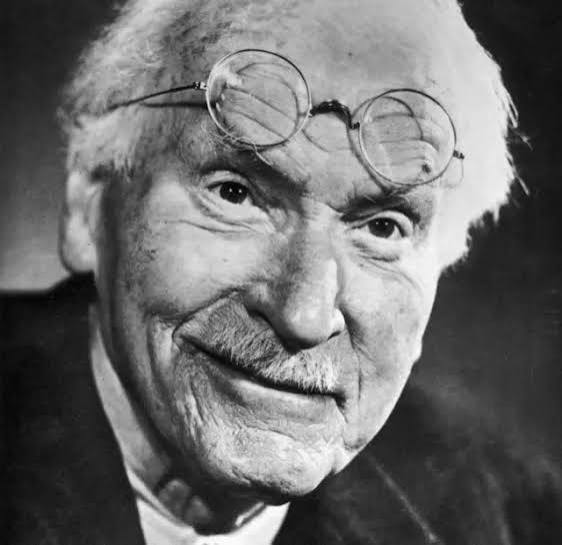
1875-1961
As Carl Jung explains, until you make the unconscious conscious, it will direct your life, and you will call it fate. Until we recognize the masks we wear and the identities we carry, we remain essentially asleep. Jung invites us on a hero’s journey*. It is a heroic act to wake up to ourselves, to enter our own interior spaces. We begin to see how armor protects and how it also divides.
As my own story unfolds, I find I am both the hero and the villain, the believer and the doubter, the aggressor and the protector, the cynic and the fool.
*For Further Study
- Finding You Podcast, Dr. Brad Reedy https://podcasts.apple.com/us/podcast/finding-you-with-dr-brad-reedy/id1157223571
- Dr. James Hollis https://jameshollis.net/welcome.htm
header photo by Vitaly Gariev on Unsplash
10 Responses
The family of one of my best friends in South Holland, IL moved to Jenison, MI when I was a third grader. A couple years later, our two families met at a hotel in Goshen, IN to spend the weekend. The older children of our two families were at our own hotel restaurant table having breakfast when a stranger came up to us and asked where we were from. I answered “South Holland,” and the older boy from the other family said he lived in Grand Rapids, then pointed at me and corrected my answer, “She is from Chicago.” I was agitated about the inaccuracy of his answer until I understood why he was more attuned to the rhetorical situation. . . where we were right then and whom we were speaking with right then altered the right answer to “where do you come from?”
I have seen Evanston residents rebuked during a digital discussion in which they entered a political disagreement among South Side of Chicago residents, insisting their opinion was valuable within the conversation because they also were from Chicago. In some convos, living in Evanston is most certainly not equivalent to living in Chicago.
Lively exchanges of facts, opinions, and stories on a topic like borders are so valuable for helping us awaken to the relativity of our own identity.
A good argument leads us to notice the permeable and distinctive lines between who we are and who other people are. It’s a delight to encounter people who are secure to converse with others at the edges of this stimulating borderline territory.
How good and pleasant it is when two people in close proximity are confident to stake firm claims of their own and flexible to make improvements on those claims as they consider their companion’s firm claims.
Thank you for today’s story and commentary on this topic.
“People lose beliefs not when they are disproved but when they no longer wish them to be true.” That’s perfect. That’s certainly true for me, as well as the reverse.
I’m sorry that as a bean-eater you have to live among barbecuers, but that’s what you get for supporting that horrible baseball team.
Kerin,
Imagine my disappointment when I ordered a milkshake from a roadside stand in 100 plus degree sunshine only to get a talk glass of milk. That’s the learning edge a Kalamazoo, Michigan native gets when living three summers in North Andover, Massachusetts. I was corrected. I needed to order a frappe. I still think it is a milkshake some 45 years later. But if I am anywhere near Boston I will order a frappe when I want a milkshake. 😬
Many years ago in Sheboygan WI, we drank from bubblers. I don’t know if that word is used anymore, but drinking fountains sounds pretentious and not nearly as descriptive.
Thanks for this discussion, Kerin. April Fool’s Day is a good opportunity for promoting repentance, one of Jesus’ favorite subjects. I cannot help but laugh/ cry at some of the things I used to believe and teach and defend. To outsiders, we sometimes sound cultish. “Until you make the unconscious conscious, it will direct your life and you will call it fate (or faith perhaps). We all need accountability partners in order to recognize our blindness. And some of those need to be from outside of our own echo chambers.
Kerin,
What a funny, relevant way to get us to reflect on a subject we too easily overlook in our hurry to win an argument. Thank you!
This is so great, Kerin. Thank you!
The sentence “People lose their beliefs not when they are disproved but when they no longer wish them to be true” spoke loudly to me. I wish I had realized this before I tried to change the beliefs of some others and just damaged those relationships instead.
This blog is so helpful for understanding one’s theory of change. I especially appreciate these words, “We can only rethink something when we feel safe enough to consider new information and integrate it. It is not evidence. It is not about facts. It is about capacity, readiness, and willingness.” Yes, yes, yes.
Strong thoughts, Kerin. Thank you.