In our perilous political climate, I often find solace in the humor of political cartoonists and late-night television comedians. Admittedly, there is a fine line between degrading or demeaning commentary and healthy humor. Sometimes the comments or jokes drift into cringe territory. Just because our President mockingly impersonated a reporter with a debilitating, chronic condition is not license to comedians to ridicule Trump’s physical appearance.
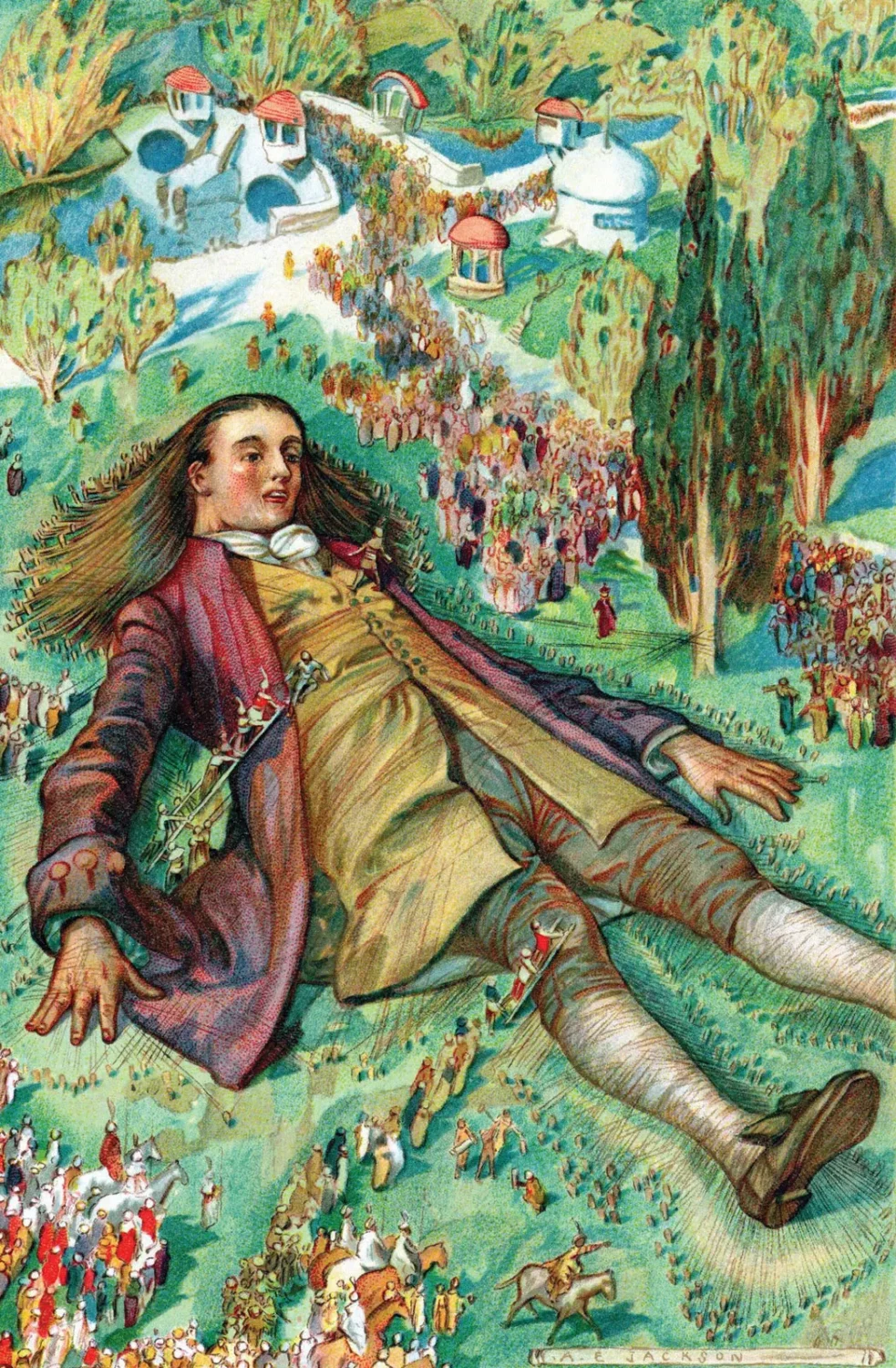
But I believe thoughtful satire is one form of humor that deserves a more prominent place in the Christian’s humor vocabulary. Satire can serve as a vehicle for self-criticism and self-awareness, assuming and affirming a standard of right and wrong, justice and injustice. Satire says, “Life shouldn’t be this way.” Consider Voltaire’s satirical critique of the Roman Catholic and Anglican Churches or Jonathan Swift’s take on the reach of the British empire in Gulliver’s Travels.
When Al Feldstein, the former editor of Mad magazine, died in 2014, many commentators traced the roots of cultural icons like Saturday Night Live, The Onion, The Simpsons, and the folk song riffs of the Smothers Brothers to his satirical style and skeptical skewering. For me, it was an opportunity to consider why his sense of humor drove so many of my generation to be voracious readers of this mad monthly. Even more, how did it shape my own view of humor, then and now?
Reading Mad at first seemed like the natural progression from a pre-adolescent consumption of Archie comic books and Marvel superheroes to a more sophisticated and riskier dose of cultural engagement. I’m certain that my parents knew I was reading it and never challenged me or questioned why. This may have been parental wisdom or a form of laissez-faire distance. In either case it was a gift, forming a life-long interest in what makes us laugh.
Mad led me to a later discovery. In college I came across a thoughtful little book entitled For God’s Sake Laugh by Nelvin Vos. His argument was that it’s very significant that humans laugh, and it ought to be Christians who laugh the most.
With a central definition of laughter as that which results from an incongruity placed in a ludicrous context — and such an analysis goes a long way in killing laughter — Vos suggested that there are three main figures when it comes to humor: the Wit, the Butt and the Clown.
Think of the classic slapstick pratfall of falling on a banana peel. The Wit perceives the ludicrous and describes it, amused by someone else falling on it. The Wit is the victor. The Butt is the one who receives the ludicrous, falling on the banana peel and looking around to see if anyone notices. The Butt is the victim.
The Clown, Vos said, is the type Christians should feel most comfortable with, for the clown accepts the ludicrous and overcomes it by laughing at himself or herself and laughing along with everyone else. The clown is the Victim/Victor. Christians don’t take themselves too seriously, and humor can be an antidote to conceit and self-centeredness.
Send in the clowns.
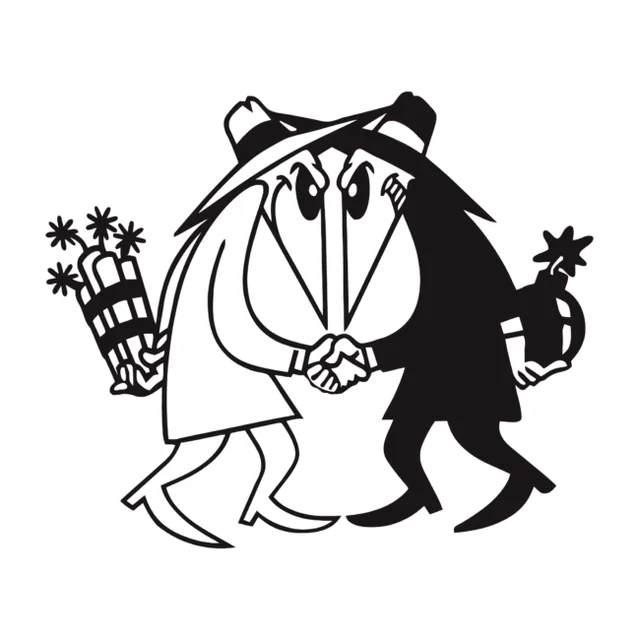
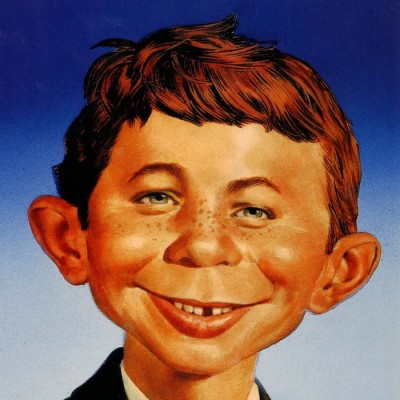
I don’t know if Vos read Mad, but he spent little time on satire, beyond his description of the Wit as the distant observer. In the pages of Mad, satire took the form of the recurring comic strip Spy vs. Spy, which used Rube Goldberg-like machinations to poke fun at Cold War politics. The magazine tweaked the Hollywood studio system by referring to The Sound of Music as The Sound of Money. And the public face of Mad is still the gap-toothed, freckled, perpetually adolescent Alfred E. Neuman, whose famous slogan “What, me worry?” was offered in response to presidential elections, film stars, cigarette manufacturers and politicians.
To return to Vos’ definition of humor, Jesus just might be the supreme example of the incongruous in a ludicrous situation. We thought we could be God and creation was never the same. The incongruity in this ludicrous broken situation is that God sent his Son and now has the last laugh. When Satan thought he had the final victory, God turned the tables by raising Jesus from the dead. The Lamb conquers the beast. The incongruous in a ludicrous situation.
Maybe laughter, even satire, is a sign of God’s grace, a sign to all that there is more to life than incongruity, brokenness, and the ludicrous.
Christians aren’t the only ones to laugh, of course, but when we do we become God’s mirth on earth, and through satire particularly, standard bearers for what life should look like. And when we employ satire to call ourselves and others to a higher standard, a better moral stance, a sharper perspective, we just may be doing God’s work as well.
Some things can be funny and sad at the same time. I think of doctrinal purity trumping the fullness of the gospel, for example. Truly an incongruity in a ludicrous situation. But, laughable?
Portions of this piece originally appeared at “Think Christian.”
Header photo by Carol Highsmith’s America on Unsplash