
Early in our marriage, in our life together in this house on Terrace View Avenue, one of our ongoing disagreements was about the lawn, whether to treat it or not. We were worried about the neighbors—or, one of us was.
I read a Paul Gruchow story about the county agent telling Paul he had to get rid of the weeds in his lawn but that same county agent not being able to actually identify any of the plants that had grown up in it. I laughed and had my hero.
Today, we are of the age where we’ve become a bit afraid of becoming entrenched. Partly this fear comes from watching our aging parents retreat into habit and pattern—a dangerous thing for the brain, we’re told. We need new experiences to sharpen up the old neural pathways, to jolt us out of the same old same old, to keep the brain fresh.
But lately, the only measure of time I’m interested in is seasonal. This was the bad spring for wild asparagus. The spring when the hummingbirds returned. The summer of the small plums and of a blight on the grapes. It was also the summer of the volunteer butternut squash that we’re nursing like a youngling.
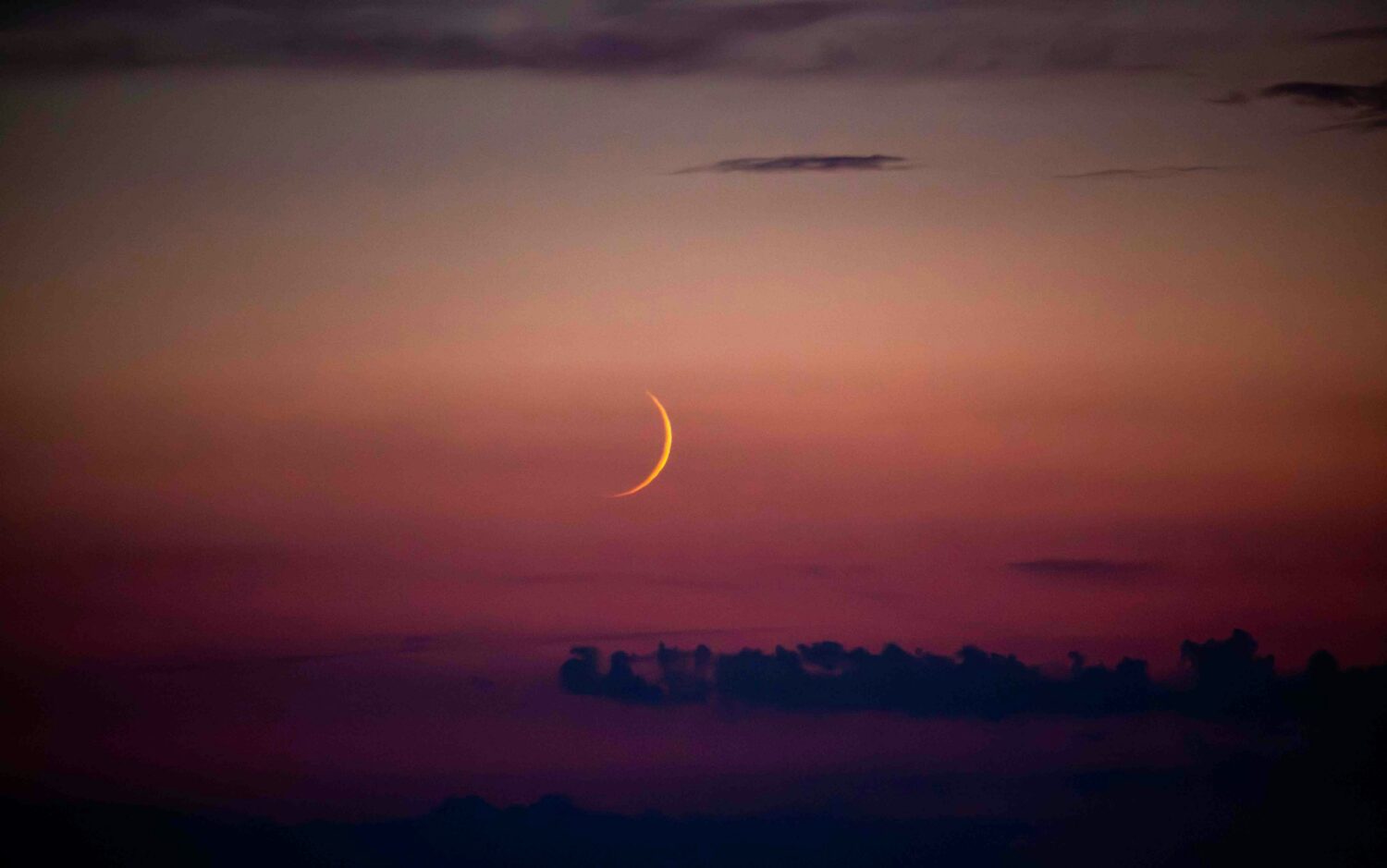
Phenology—not to be confused with phrenology—is the study of seasonal occurrences, things like the date of the first robin. When the kids were little, we’d order a “Minnesota Weather Guide” calendar that had information like sunrise and sunset times along with the ten-year averages of phenological markers: first robin, first corn-silking, first migrating nighthawks. It also listed traditional Dakota new moons—red chokecherry new moon, deer antler shedding new moon, etc.
I’ve read multiple places that fireflies are going away, but this summer has been a decent season for them. I’ve seen them around a pond, fishing with my son; in the park we walk the dog through; at our friend’s house on the Fourth of July. But I’ve seen just one or two in our yard, where we used to catch them with the kids when they were young.
Another famous species in decline is the monarch butterfly, a decline I can phenologically attest to. The corridor between our house and the neighbors has been a conduit for monarchs over the years, though every fall the numbers decrease.
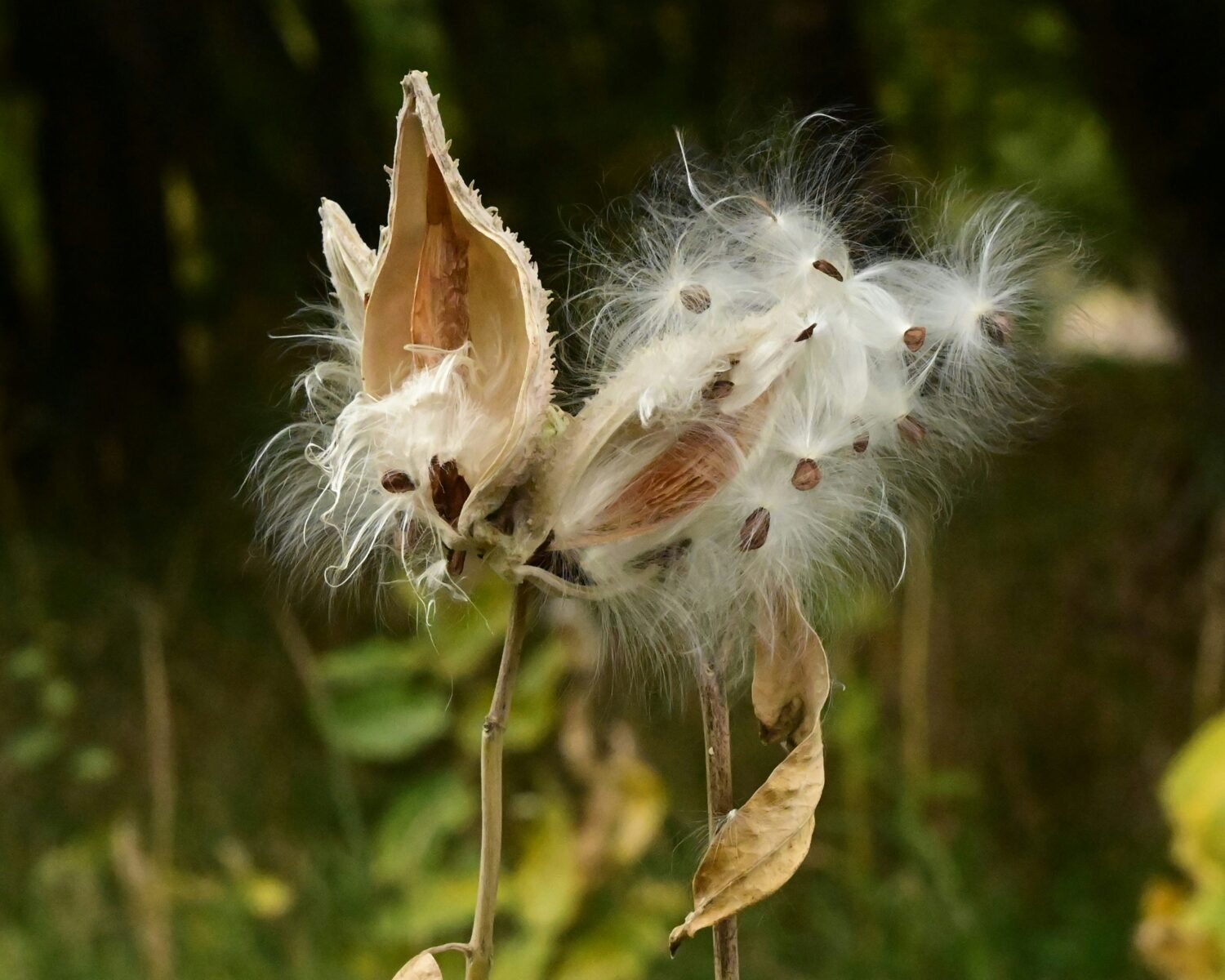
A few years ago, thanks to locally famous northwest winds, milkweed, the preferred food of monarch caterpillars, made its way into our landscaping rock. We have since then guarded it like a treasure and watched it spread. One year, we raised multiple monarch caterpillars from those milkweed. Another year, my son witnessed stink bugs attacking the caterpillars. The last few years, no caterpillars, but in late fall I still take pleasure in shedding the dried milkweed pods on the breeze to share them with my neighbors. This year, we’re up to a dozen plants and the way the early season monarchs dance their way around them seems encouraging.
Robin Wall Kimmerer says our responsibility to the natural world is to live in reciprocity with it, to not just take and take but to give something back. And one important way of doing that is simply by bearing witness.
I was thinking recently of how important the book of Job is to the Bible. If Genesis has God showing the creation to Adam and Eve to see what they would name the various creatures, the book of Job has God walking around creation and bearing witness to the wonders he has created.
It’s a terrifying lecture. There’s poor Job, grasping at a fig leaf as the windstorm of God’s hot breath batters him. “Who do you think you are!?”
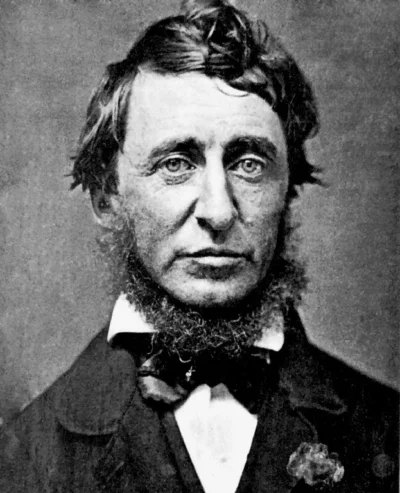
1817-1862
These things matter to God.
If the monarchs are going, if the fireflies are, I want to bear witness to them. I’m a fading flower, grass that’s here today gone tomorrow. “Time is but the stream I go a-fishing in,” writes Henry David Thoreau in a famous passage of Walden.
“I drink at it; but while I drink I see the sandy bottom and detect how shallow it is. Its thin current slides away, but eternity remains.”
After all these years, I still don’t necessarily understand that quote. I guess it means that we as humans have the sense that there’s something more, beyond these things of earth. But I’m not interested in the form of water in the platonic sense. I’m not interested in these things passing away to get to something more permanent, more eternal. I’m interested in these things themselves.
During baptism, our pastor will on occasion say that there’s nothing magical about the water he uses. I take his point. But there’s everything magical about the water. It’s water.
I’m more interested in bearing witness to the water and to the quality of that water from season to season. And to bear witness when it goes, if it should come to that.
I admit that I do not have much hope this summer, as the world burns. Maybe all I can do is bear witness to the butterflies in my yard. The eastern tiger swallowtail I caught on video. The three cabbage white butterflies that were chasing each other around the peppers, a mysterious love triangle. A painted lady that landed cheekily in the bowl of beans I had just picked. And of course the monarchs that flirt with the milkweed.
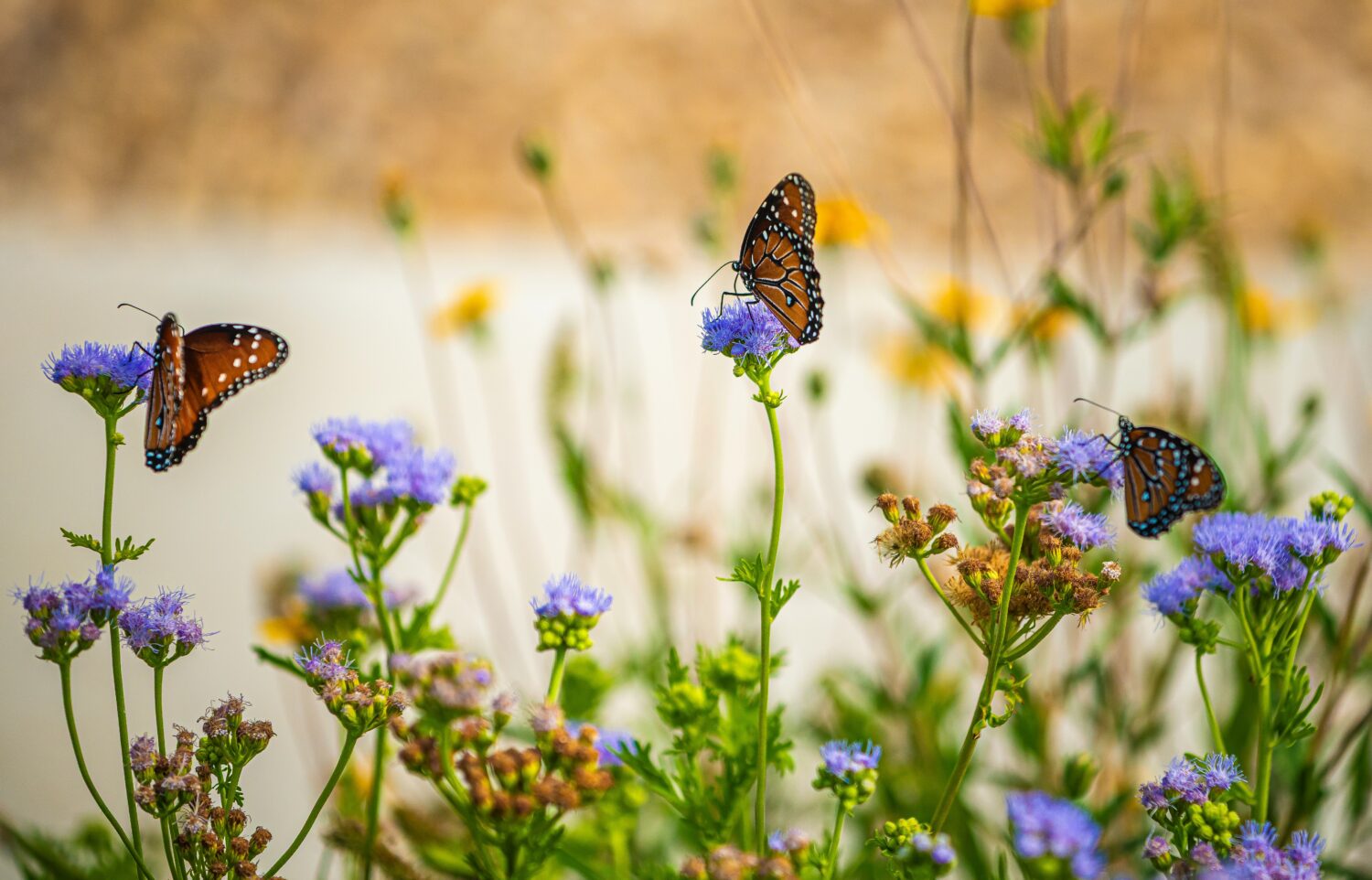
Maybe it will turn out that the most significant thing my wife and I have done in our lives is not treat our lawn. According to one aesthetic, it’s ugly for it, dandelion-laden in spring, afflicted by clover, and in one corner being taken over by creeping charlie. But this summer at least we seem to be paid in butterflies.
I told her so.
Summer 2026 is the season of butterflies.
And I have borne witness.
Header photo by Kate Cullen on Unsplash
Moon photo by Bernd 📷 Dittrich on Unsplash
Milkweed photo by Gennady Zakharin on Unsplash
Monarch butterfly photo by Pete Alexopoulos on Unsplash

6 Responses
Yes. And I hope every worship service is as full of magic as your yard. Baptism is a sign, but also a wonder.
I’ve treated our lawn up until a few years ago. Ugly weeds… yes, but much greater choruses of tree frogs on our wooded lot whose skin is very sensitive to fertilizers. Also, the great variety of birds we attract have starting empty our tube feeders and suet cakes for the last few weeks telling us the transition of seasons has begun long before the leaves of our lone maple among the crowds of red and white pine brings its brilliance of Autumn colors.
In one of the most remarkable books I have read, Erazim Kohak (The Embers and The Stars) refers to God recounting the wonders of creation to Job not to scold him but to invite him to live more fully in the created order. He says that one of the wonders of creation is that it bears our pain. God was anticipating Jesus who told his followers to “fret not but consider the lilies and the birds.”
I love this. Thank you. And I’m ordering the book.
This is a great essay for those of us who look forward to the ReNewed Earth. Somehow , we know not how, all these good things will be enhanced and the lost things recovered.
We planted a native plant garden for the first time this year and I was thrilled when the first monarch caterpillars appeared. And then equally crushed when the aphids appeared. Now we wait with steeled hope that this next batch of caterpillars that have appeared will live long enough to morph to butterfly stage. The planting of this garden was our small act of resistance in these days.