
“I saw it on their refrigerator door, held on by magnets.”
So said a significant church leader in the United States, not long ago.
She was recalling a flier, an invitation to be part of a play at a local Presbyterian church.
“I was at a friend’s house. I was eleven years old. My family was basically secular, areligious. I didn’t know anything about church or religion really. But I asked if I could go to their church and be part of the play. I got a part in the play. I became involved in the church. I became a Christian and now, here I am!”
This is the unlikely and uplifting story of one person’s journey to faith.

2007
ca. 400

2009
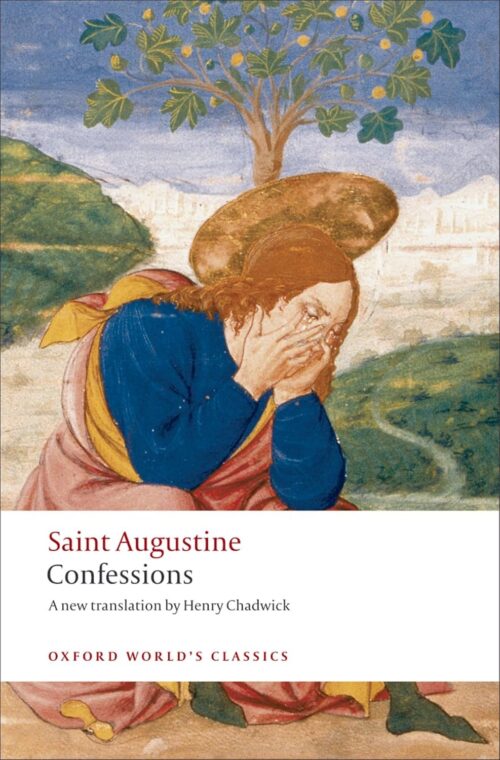
What is it about conversion stories? They’re beautiful, inspiring, amazing. Maybe they tell us that we’re not so weird or benighted to believe. From Saul-to-Paul and Augustine’s Confessions to Sara Miles’ Take This Bread and Mary Karr’s Lit. I’m still moved by them.
Sadly, conversion stories have largely become the domain of fundamentalist Christianity. And there are good reasons for being skeptical about them. Exaggerating. Oversharing. Spotlight-seeking. Manipulating. Years ago, Perspectives – an antecedent of today’s Reformed Journal – ran a compelling series of articles on “spiritual autobiography.” They were, in essence, testimonies or conversion stories. It’s amazing how reframing or using a few different words can make things feel better, safer.
This, then, is my account of conversions in non-fundamentalist churches. They’re stories I’ve heard and trust or I witnessed and was a part of. I share them not only to inspire, but also to counter the notion that people in my kind of church are “only going through the motions,” are merely “cultural Christians” or don’t have real or heartfelt faith.
Chris came in shyly, reluctantly. I’ve found this reluctance to be nearly universal. People pepper their stories with disclaimers: “I know this sounds unbelievable,” “I don’t want to sound like a lunatic,” or “I realize there could be all sorts of other, more reasonable, explanations.”
He wanted to share about a recent experience, probably less a conversion than mystical encounter. it was almost a hallucination, a vision, or maybe better described as a dream. The Bible is full of people having dreams. For a few minutes, reality melted away. Bright and warm. All good. Assurance. Peace.
“There’s so much more,” he kept repeating.
It was life-changing for him. But he didn’t want to talk about it with anyone else. He certainly didn’t want to share with the church. He had no plan to post it on social media or to try to make it big on the podcast circuit.
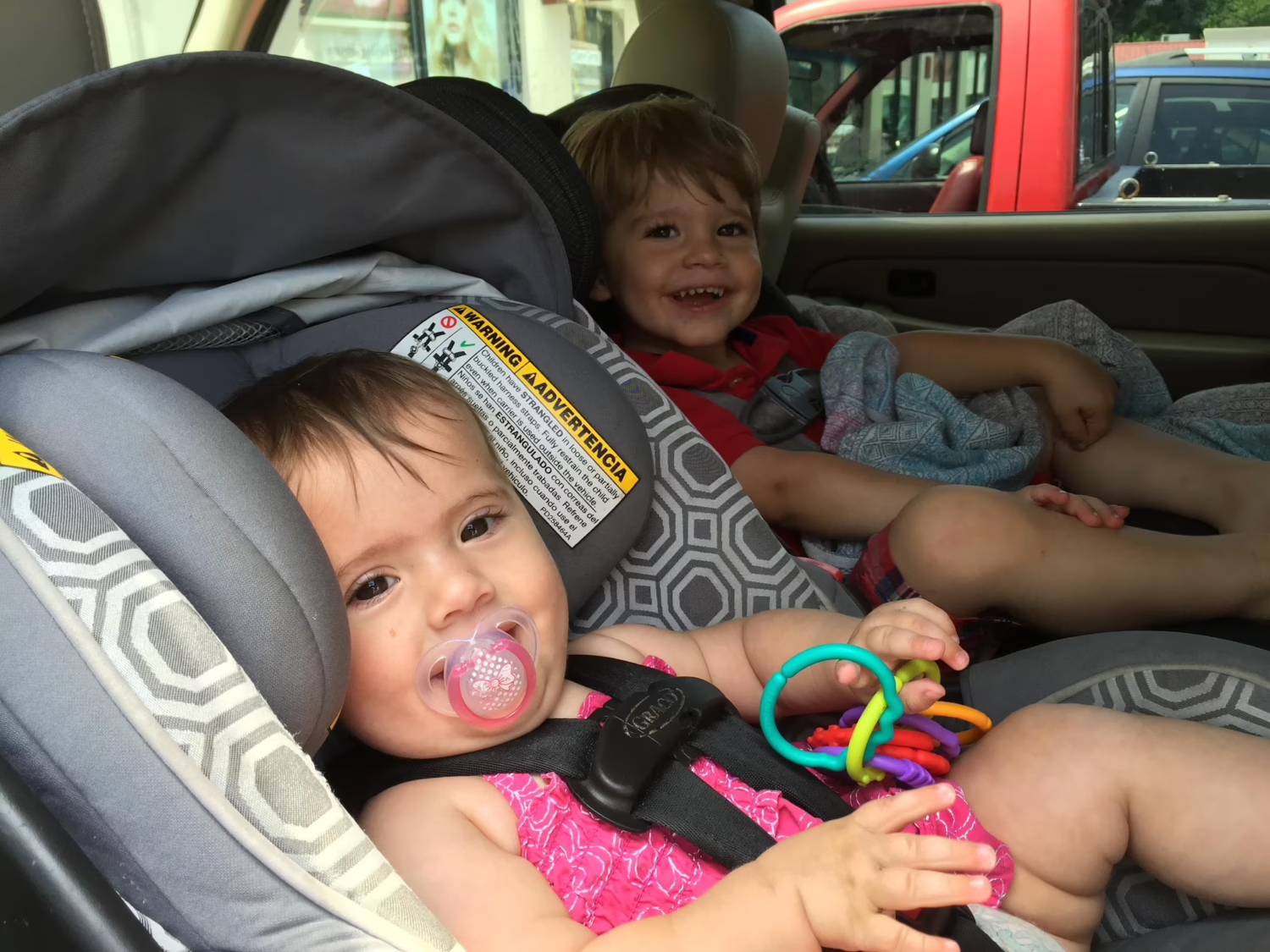
Sandra told of driving past the church for years on the way to her children’s childcare. Then one morning, with her two kids buckled in the back, she says she heard an audible voice say, “You should go to that church.”
She shrugs as she tells it. “I know how it sounds. But what are you going to do?” She’d been raised in a nominally Christian home, but hadn’t been in a church for 20 years or more. She came. She stayed. Now she’s a pillar in the congregation.
In my experience as a pastor, the conversions I saw weren’t often of the “I was blind but now I see” variety. Not former heathens, crime bosses, Nixon staffers, or addicts – although don’t minimize the role addiction can play in all sorts of coming-to-faith stories.
Instead, my experiences were more “I was wounded and now I’m healing.” “I was bitter and now I’m less so.” “I was skeptical, and still am, but not as much.” As one person put it, “I’m starting to think non-toxic church may actually exist.”
This healing, or gradual return to faith, happens slowly, very slowly. Any pressure usually sends them fleeing. Their defenses, their BS detectors, are on ultra-high alert. One woman began by attending an adult book discussion group led by a highly regarded professor. She wasn’t really interested in church or faith, she told herself or anyone who asked. She was there strictly for Dr. Miller’s teaching. Over time, however, faith bubbled to the surface.
Diane used to sneak into the building through a basement door. She’d arrive just late enough not to have to talk with anyone and sit alone. “I’d just sit there tense, angry, a little afraid, hard like a stone,” she later confided. “I couldn’t participate. Slowly, over months and months, I was melting.”
From my own vantage point in the front of the sanctuary, I could see tears streaming down her face during hymns, but not singing. She’d slip out during the closing hymn. This went on a long time before she was willing to talk or to trust.
Was this a “conversion”? She always remained somewhat skittish. The wounds from her strict religious upbringing were still right there. But, she stayed. She began to participate. She didn’t need to sneak in through the basement anymore.
All of these stories are remarkable, and yet quite ordinary, more common than we know. Maybe one of them is something like your own story. Your church probably has more than a few. They inspire me and they tell me that conversions continue to happen in non-conversionist churches.
Sometimes I find myself standing next to a transgender woman during worship. I don’t know the specifics of her journey, except that the church of her upbringing and her parents inflicted a lot of pain over the years. Near the close of worship, we often recite a prayer that begins, “Dear Heavenly Father…”
Every time I hear her pray those words, it undoes me.
Header photo by Linus Belanger on Unsplash

10 Responses
Thank you, Steve. I always appreciate the depth of your thoughtfulness and your candor. I tend to be a trusting person, but I strongly react to any attempt at emotional manipulation or spiritual herd behavior. I am not an altar-call fan. It feels disingenuous, like spiritual abuse-of-power, artificially-induced spiritual peer pressure.
And yet I have known people who seem to need the paddle-shock of emotion to take that first step. And I wonder how periodic emotional tune-ups can be useful tools. Is this peer pressure or the work of the spirit? Or both? Not everyone gets a supernatural call like Paul, Jacob, or Jonah. But I do believe a sovereign God has such tools available. I know some fragile souls who have been “saved” several times. And when an evangelist asks me to name the date and time I was “saved,” I tell them, ” well, most recently just this morning during morning prayers.” I tend to believe I am (being) “saved” from meaninglessness more than from hell, and that is a transformation, not a once-for-all event. I have never heard God’s voice audibly. But if someone has heard it, OK.
If I am to assert anything. I would say there is no superiority in either a quiet or an emotional kind of prayer or worship. And we do not define or impose a confessional belief system or experience on anyone.
One of the best reasons to have columns and pillars in sanctuaries is so that some people, who need to, can sit behind them.
Profound, Daniel. Seriously. While I have this love/hate relationship with streaming church services, virtually everyone who comes to our church for the first time have watched several services online. Perhaps that a modern version of “columns and pillars.”
I hadn’t really considered live-streaming and how it has changed things. My guess is that today, “Diane” probably would watch online many times before she ever appeared in person. Or would she ever have shown up? Can you “melt” while watching at home? I don’t know.
I think it’s a William Willimon book about the psychology of worship that surmises one of the reasons people sit in the back is out of natural awe for the sacred, or humility. I hope he’s right about that!
One of the joys of being a pastor is noticing these things and being told about them. Not that other people don’t, but I count those experiences as highlights in ministry. There are many stories from children too, as I imagine you have observed. It is beautiful how Spirit works in each individual. Thanks for this good word today.
Thanks again for your as usual thoughtful words.
Thanks, Steve, for sharing these stories, and your open heart in receiving them—receiving the people I mean…
I loved this, Steve. Thank you.
I am such a big fan of these types of stories – such beauty and bravery when they are shared. These are the thin spaces where I encounter God. Thanks for sharing!