
A year ago, I wrote about mRNA vaccines as one of the most promising developments in vaccine technology. I argued that their potential was worth supporting with robust government funding. At the time, much of the public conversation about mRNA vaccines centered on COVID-19. But mRNA vaccine technology was never just about COVID-19.
The evidence that current mRNA COVID-19 vaccines are safe and effective is extensive. Their safety and efficacy have been evaluated repeatedly, including in large randomized, placebo-controlled trials.
The enormous potential of mRNA vaccine technology is in its flexibility. Scientists can quite easily change the sequence of the mRNA in the vaccine to respond to rapidly evolving viruses. Altering the sequence of the SARS-CoV2 spike protein mRNA in the vaccine continues to be an effective strategy to keep up with a virus that is constantly changing.
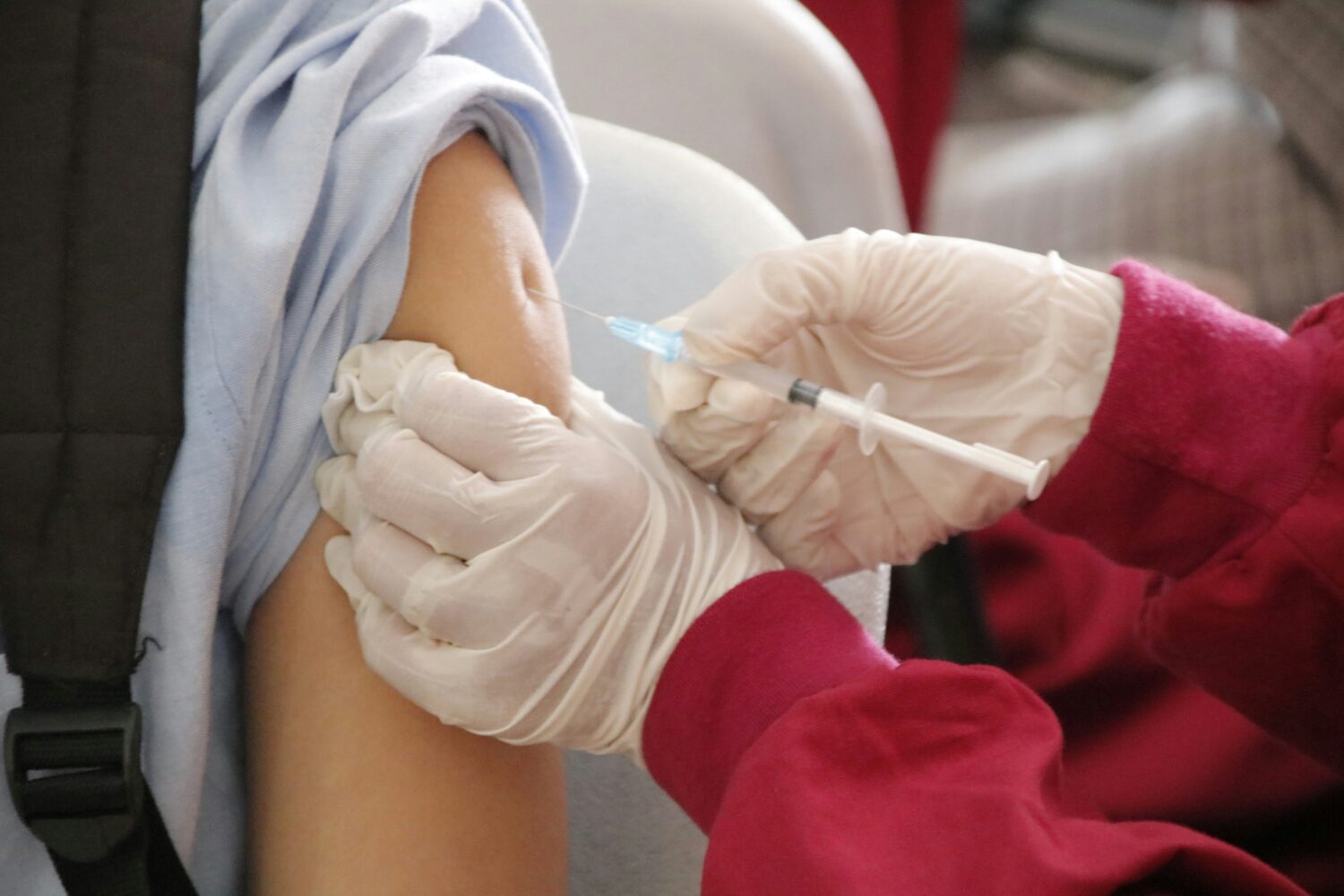
The flexibility of mRNA technology becomes even more remarkable when it is applied to cancer. Instead of developing one vaccine for millions of people, scientists can design a vaccine for one person as scientists at Moderna and Merck reported last month. They used personalized mRNA vaccine technology to prevent or prolong melanoma from recurring—even in patients with advanced disease.
The study included 1100 people with advanced melanoma whose tumors had been surgically removed. The study gave participants either an immunotherapy drug alone (pembrolizumab) or the drug in combination with the mRNA vaccine. The people taking the combination survived longer without recurrence than those on the immunotherapy drug alone. Recurrence rate and mortality for melanoma depends on staging. Advanced melanoma is often lethal and has a recurrence rate that can exceed 70% so extending the time before recurrence is a big deal!
The vaccine, called intismeran, is personalized. DNA from a sample of each person’s tumor is sequenced and compared to non-tumor cells. This enables scientists to identify neoantigens unique to each person’s tumor. Neoantigens are abnormal proteins expressed by the tumor cells because the tumor cells carry mutations in the genes that code for those proteins. Neoantigens act as molecular flags that distinguish the cancer cells from the body’s healthy cells.
The scientists then create an mRNA vaccine uniquely designed so the recipient will express the neoantigens in their tumor. When the vaccine is given and the patient expresses the neoantigens, the immune system uses the neoantigens as instructions for recognizing these abnormal proteins. The immune system responds by producing B and T cells that can recognize cancer cells carrying those neoantigens. If cancer cells remain after surgery, the hope is that these immune cells will find and destroy them before they can establish a new tumor and the disease recurs.
This technology still faces some challenges. Because the vaccines are personalized, they require several months to make. Sequencing the tumor DNA, analyzing the sequences, then making the vaccine require time. Some of the patients don’t have this kind of time—especially patients with end-stage disease. Scientists use AI to identify the neoantigens and assess which ones are most likely to provoke the strongest immune response to speed things up but much of the work must be done by hands working in the laboratory.

There is something deeply human about this process. Cancer is not an abstract scientific problem when the tumor belongs to one person. The scientists are not simply designing a better vaccine; they are trying to buy time for a person who wants desperately to live. Months of sequencing, analysis, vaccine production, and clinical testing may sound slow when we are accustomed to the promises of technological progress. But the people involved are working against the clock of mortality.
And yet, even this hopeful development runs into the same problem that has surrounded mRNA vaccines for years: misinformation. Scientists involved in these trials report difficulty finding enough people willing to participate, even when participation might offer patients with devastating diagnoses the possibility of more time.
In spite of cuts to funding of mRNA vaccine technology and the pervasive misinformation, scientists are persisting in their quest to find new, innovative, and more effective treatments for cancer. Other groups are working on mRNA vaccine technology to treat pancreatic, gastric, liver, lung, colorectal, and triple-negative breast cancer.
Christians have good reasons to support this kind of work. We know that scientific progress will not finally defeat death. No vaccine can restore the world to the way it was meant to be. But that does not make the work less valuable. We care for our neighbors because they are our neighbors. We pursue healing because suffering and healing matter. And we use the gifts God has given us—our minds, our laboratories, our technologies, our resources—in service of our neighbors.
Bring on the research. Support the clinical trials. Support the scientists who are willing to spend years figuring out how to turn a fledgling idea into a treatment that might give someone more time with the people they love.
Header photo by Accuray on Unsplash
Vaccine photo by Ed Us on Unsplash

6 Responses
Right on, Sara, totally deserving of our support, especially as Christians, and a truly remarkable development in fighting disease / caring for our neighbours, this personalized mRNA.
But here’s my worry. How much is this a luxury for those of us with sufficient wealth to be able to pay for regular screenings for cancer indications, in order to get early enough diagnoses to have enough time? Yes, even as you write, to “buy time.” I suspect that the majority of US healthcare plans would pay up front for such required regular screenings. I would be interested to know what the Canadian experience is in this.
This is always a concern with new therapies which are inevitably expensive. I’m not sure universal healthcare/Medicare for all would solve the problem because expensive new therapies may be limited to supplemental insurance which only some will be able to afford. I have some confidence that costs will come down as the process because more routine. For that to happen some need to get the treatment. In the meantime, it’s a problem!
And I meant “would not pay up front”.
You might be surprised Daniel.
Insurance pays a lot for preventative care because every $ spent to prevent disease saves $$$ treating it. I bet it would be the same here. What if they paid for cancer screening (relatively cheap) and led to a more expensive treatment but it’s shorter, leads to less remission and maybe ultimately saves money
An actuary will be working on it no doubt
Thank you Sara, for this informative and helpful writing. Misinformation is the enemy of many GOOD things. As a persons of faith, it is paramount that we stay informed.
Thanks so much for this and for all else you so compellingly and lucidly write.