Maybe it’s the teacher in me, but I’m a sucker for a good Venn Diagram.
Here are a couple of favorites I’ve come across recently:
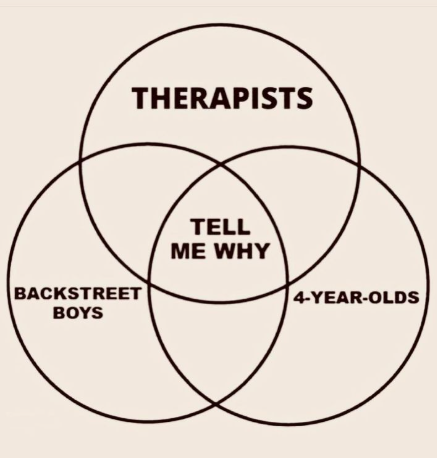
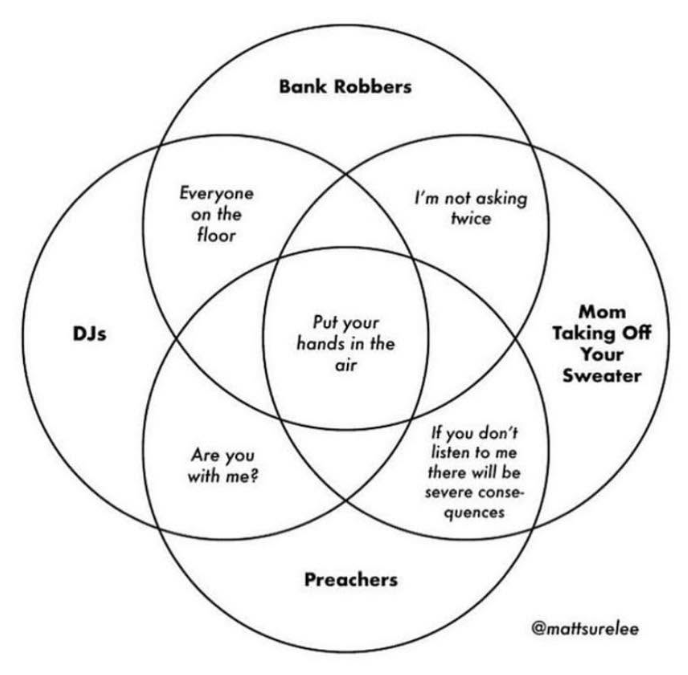
Since Dolly Parton’s death, I’ve been thinking of the Venn diagram that describes Dolly. If I were to draw one, I could put “people who like Dolly” in the central overlap and then list just about every group of people from every walk of life in the circles on the left and right of her — literally and metaphorically. She crossed lines of genre, class, generation, politics, and faith. Audiences who might agree on little else could agree on Dolly.
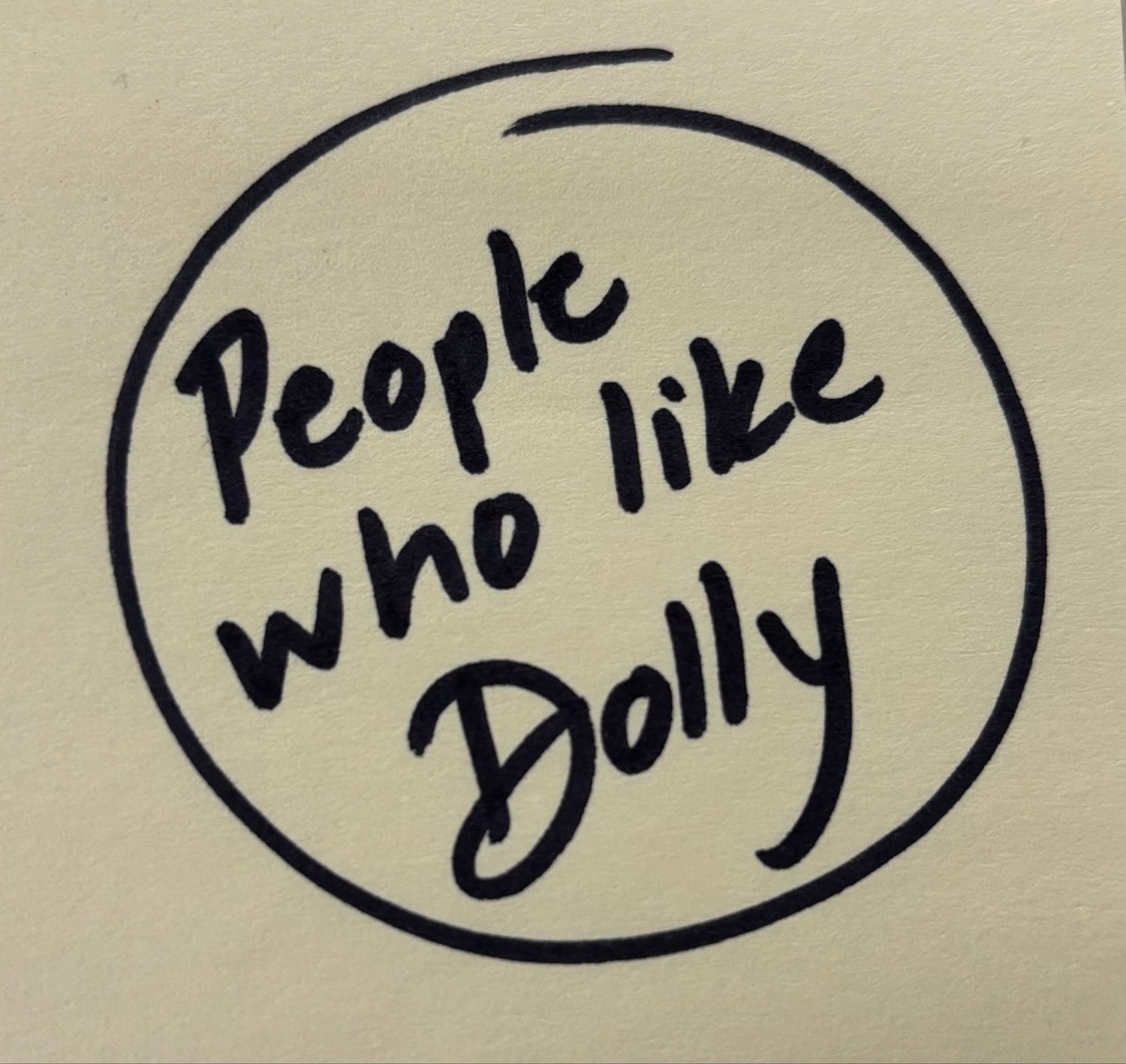
When I searched for a Dolly Parton Venn diagram, I found an image I’ve redrawn for you here that isn’t really a Venn diagram at all — just one giant circle. Maybe Dolly requires no circles, because she left no one to sort.
I grew up a country music fan. My family vacationed at Opryland, I spent my babysitting money on copies of Country Weekly, and my dad recorded the CMA Awards on VHS so we could rewatch them all year. I’ve always loved Dolly, and when she died, I couldn’t get enough of the tributes and old videos. I listened to “Jolene” so much that week that I dreamed there was an actual woman named Jolene after my husband. (My poor husband sometimes finds himself apologizing for things he’s unaware of and never actually did, because he wakes to find out he upset me in a dream.)
I realize this post joins a sea of Dolly tributes — but maybe that’s fitting. Like an “Island in the Stream,” I find myself pondering what it was about Dolly Parton that brought so many people together.
I don’t think Dolly was adored because she was all things to all people. I think what made her so deeply likeable was that she knew precisely who she was and where she came from — and rather than apologizing for that or running from it, she embraced it. Though she rose from humble beginnings to international fame, she never belittled or looked down on where she started. And in doing that, she made room for the rest of us, too.
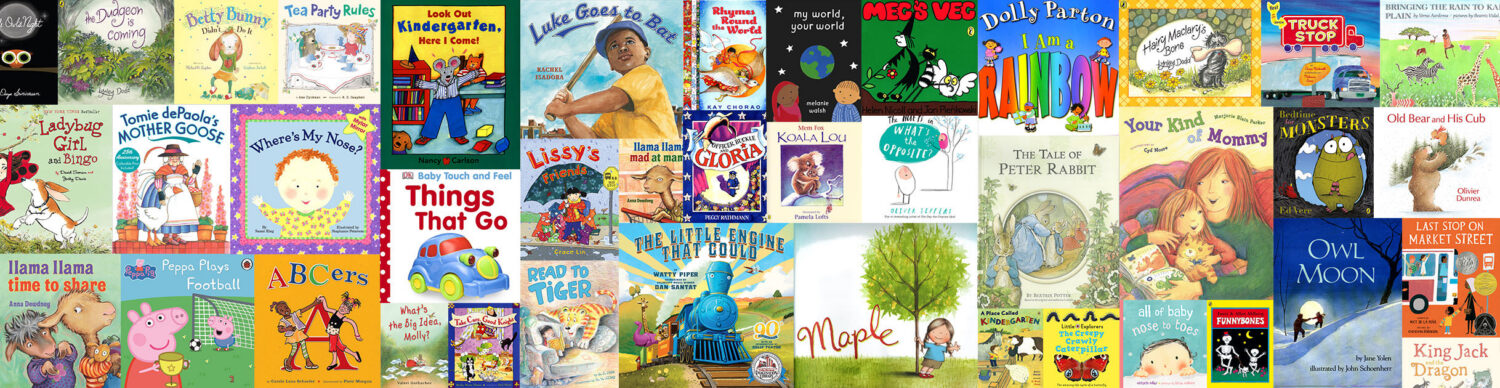
She carried no shame that she grew up in a one-room cabin without electricity or running water in Locust Ridge, or that her father was illiterate. She worked to improve life in her Appalachian home, and she gave away more than 332 million books through her Imagination Library — not as a way of running away from her past, but as a way of honoring it.
She seemed to carry a deep awareness that her God-given worth and dignity were no greater for having become a star — they had been there all along. Her fame wasn’t a reward for overcoming poverty; it was, in part, a result of it. Her accent, her background, her style weren’t problems to overcome, but an undeniable and vital part of who God had made her to be.
And Dolly granted the same grace, dignity, and respect to others, regardless of background or identity. She welcomed people with the same unabashed generosity she’d shown her own past self. No one needed permission to take up space, to exist; no one owed an apology for who they were or where they came from.
And through her words and her actions, through her generosity and grace, she made clear that what’s particular about a person — what’s unique or different — is never something to be embarrassed by. It’s never something God would want us to be embarrassed by, either.
The word authenticity has become a bit of a buzzword, but Dolly, who was also at times a very private person, had a genuine authenticity about her. When I mentioned her recently, a friend asked: How can a woman who always wore outlandish wigs be genuine? My answer is that she was genuine in her outlandishness. Her appearance wasn’t a way to cover up or hide — it was a way to be herself.
For a woman who spent a lot of her life (and quite a bit of time and money) on being glamorous, she also refused to trade the unglamorous truth of who she was or where she came from for something more palatable.
When I read stories from the Bible of healing, of restoration, of forgiveness, Jesus endorses transformation, but never shame. The woman at the well has to face her past, but her worth is never in question. The man lowered through the roof doesn’t need to apologize for the interruption or fuss. Zacchaeus is noticed and called out, but not humiliated. God makes room for us to walk into the light carrying whatever baggage we happen to bring along with us.
Henri Nouwen wrote that, “Nobody escapes being wounded. We are all wounded people, whether physically, emotionally, mentally, or spiritually. The main question is not ‘How can we hide our wounds?’ so we don’t have to be embarrassed, but ‘How can we put our woundedness in the service of others?’ When our wounds cease to be a source of shame and become a source of healing, we have become wounded healers.”
Like a chorus of others, I believe Dolly was a national treasure. I also think she was a wounded healer — a made-up, rhinestone-clad, wig-wearing legend with a powerful voice, not without pain or faults, who radiated God’s love because she believed, as she put it, that “we all have that little God-light inside of us.”