We gather together to ask the Lord’s blessing;
He chastens and hastens his will to make known.
The wicked oppressing now cease from distressing.
Sing praises to His Name; He forgets not his own.
I simply cannot sing the first verse of this hymn without having to stop and compose myself. It gets me every time: a catch in my throat, a needed pause. It did again this past Sunday. At both services. Tissue, please.
I used to wonder why.
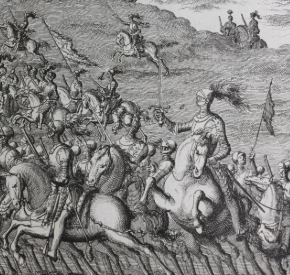
Was it somehow because this text came from my people? That the hymn was written in the aftermath of the 1597 Battle of Turnhout, part of the Dutch struggle for liberation from the Spanish Empire in the Eight Years’ War, and sung by my forebears? Was I somehow so rooted in a seed of political freedom passed on through four centuries, that it would still grab me in a unique way? I suppose, though I don’t know there’s anything else from late 16th century Holland—or anything Dutch in general—that impacts me in the same way. I don’t choke up at delft or saucijzenbroodjes or the color orange.
Just this hymn has somehow traveled deep into my soul.
Which has left me with an understanding which this word guy rarely attributes wisdom but to which many of you will simply say, well, duh—welcome to the party: Kremser. The tune.
Please understand: I can’t sing. I might be the only kid ever in fifth-grade music class who tried to just mouth the words and still was told to sing softer. I haven’t played an instrument in 50-plus years, and when I did play one, I didn’t play it very well. I have neither an innate or developed sensitivity to sound and rhythm nor any kind of musicianship. I’m a word guy. It’s how I’m trained, the hook on which I hang my hat; it’s what I rely on every day of my life.
Maybe that’s why it took me so long to figure this out. How the brain processes language primarily in its left hemisphere and melody primarily in the right, but when you are listening to a song containing language, melody, and rhythm, your whole brain is engaged. Indeed, your whole body. That the emotion you feel when engaged with a particularly moving piece of music—exactly what I experienced again on Sunday morning—isn’t from Dutch heritage or theological assent at all, but dopamine, a neurotransmitter that triggers sensations of pleasure and well-being.
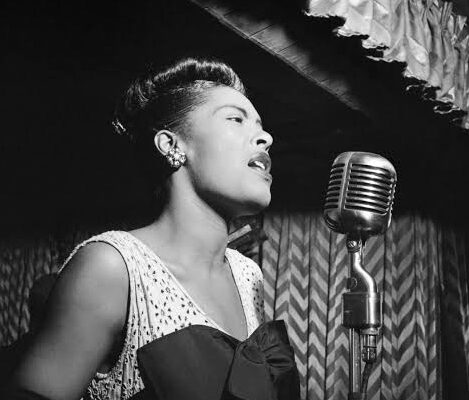
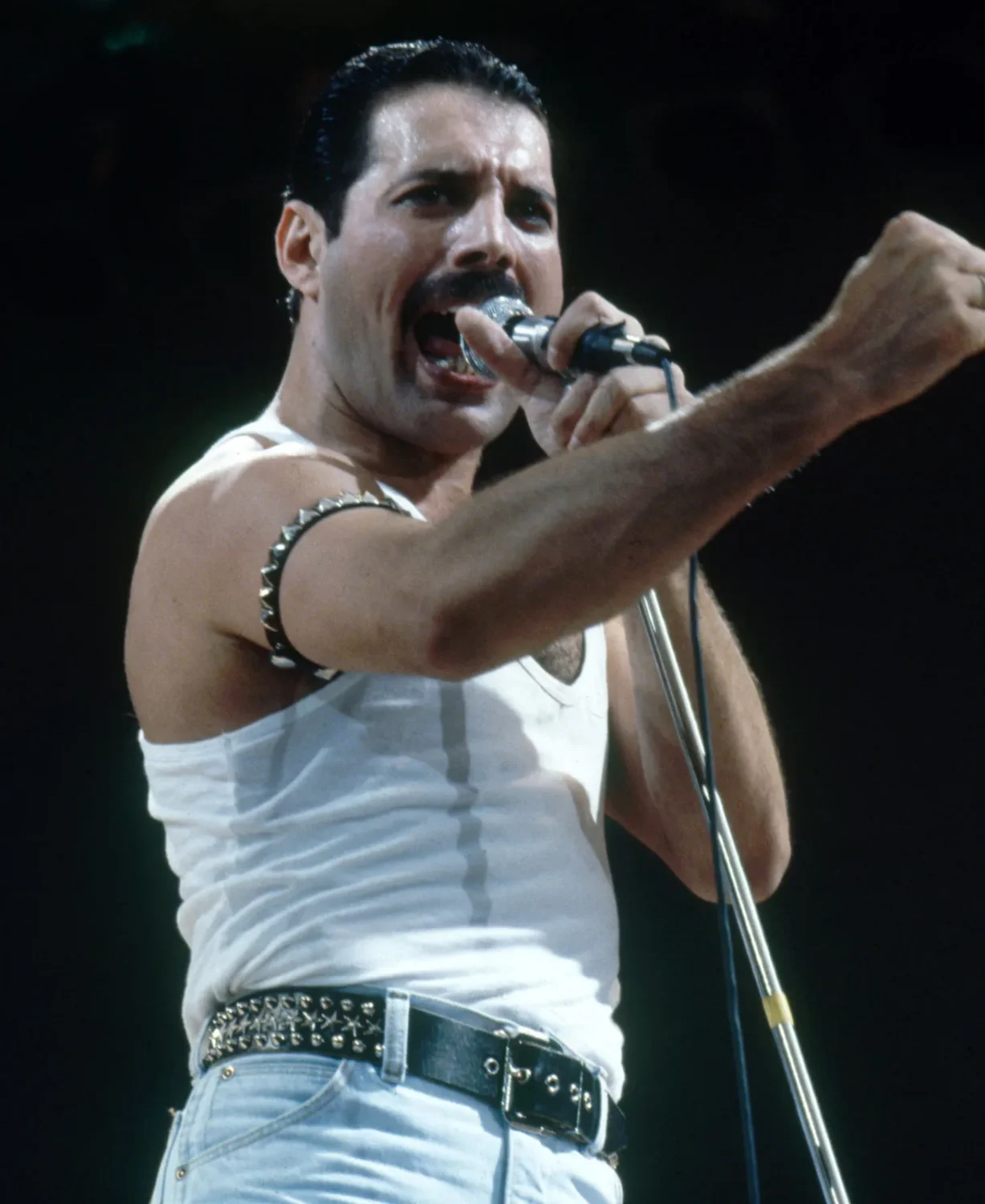
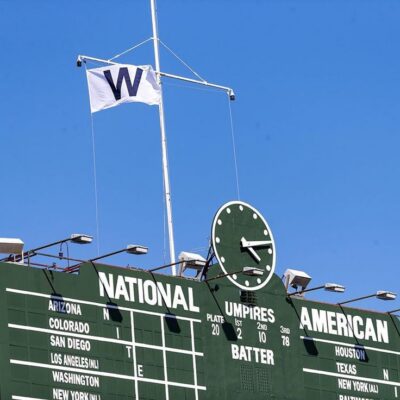
It’s why we pause at Billie Holiday singing the blues, or the final aria from Madame Butterfly. Taylor Swift’s “Paper Rings” or Queen’s “Don’t Stop Me Now” or “Take Me Out to the Ballgame” at Wrigley. (No one at Wrigley Field has ever told me to sing softer.)
Why Muslim daily calls to prayer are all sung calls.
Why a significant portion of a Jewish synagogue service is sung or chanted, especially during Shabbat; Eastern Orthodox liturgy too.
Why enslaved people in America would sing to keep their hope.
Why Adianus Valerius attached his poem to an old, well-known Dutch folk tune; and why three centuries later a Presbyterian organist in New York City who thought the original words were “too full of conflict” had new words written so he could keep playing the tune.
Because if words make you think a thought, then music makes you feel a feeling. I guess I’m finally understanding why we say we know music—and know God—by heart.
And so on this week dedicated to giving thanks, and in the only season we ever seem to sing the Kremser-tuned We Gather Together or We Praise You, O God (despite neither being in the Thanksgiving section of the hymnbook on my shelf; I suppose that’s a different discussion) might this word guy who can’t carry a tune acknowledge his belated and long-deserved affirmation to all my musician friends, who know intuitively what it has taken me so long to learn.
And to my forebears in faith, whose faith and whose tune make me pause with gratitude each and every time I hear them for reasons I barely understand.
And to my God. My goodness, we truly are fearfully and wonderfully made.