
It hasn’t always been this way.
With all the carnage the United States is bringing to the Middle East, it seems as though death and destruction will be our national legacy. But that has not always been the case.
Beginning in the nineteenth century, another very different wave of Americans swept into the region. From Oman to Kirkuk, from Beirut to the Caspian Sea, Christian missionaries brought a very different message to the Muslim world. Embodying love and good will, they brought American optimism and energy. Their legacy has been a profound one, as they founded schools (for both boys and girls), hospitals, orphanages, and universities. Their motivation was one of sharing Christ’s love with others, and they planted a vast array of social service agencies and initiatives.
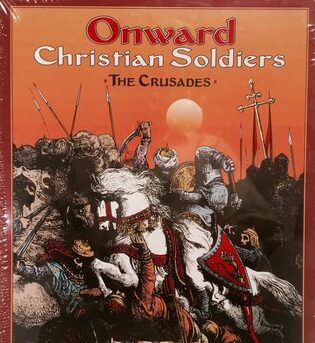
While admittedly their language often began with a heavy-handed note—reflecting the militance of “Onward Christian Soldiers”—their mature message was one of self-sacrificial caring and hope. While conversion was seen as a long-term aspiration, their daily lives were characterized by a deep and abiding affection for their new neighbors and friends. As one wizened missionary once put it: “In matters of conversion, it ultimately comes down to their god and yours; you can’t make it happen.”
So they went about their business of embedding themselves in the local mejlises (meeting places) and hareem (women’s havens), in the coffee shops and schools. They came to know the high and the low in society, the rich and the poor, the city-dwellers and the bedouin. They shared in the floods and droughts; in the plagues that swept through the communities; in the hopes and fears of those they served.
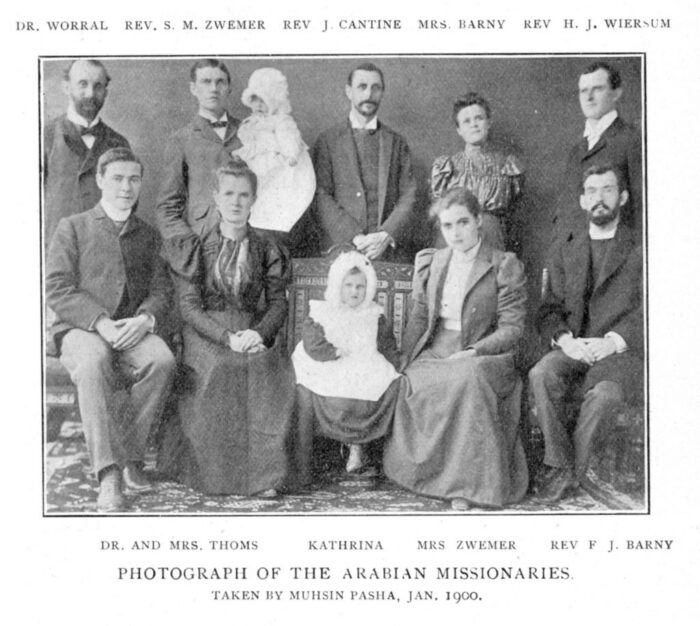
The cynics, both Arab and American, were characteristically skeptical. “First the missionaries, then the merchants, and then the military,” they warned. But the missionaries, perhaps naively, insisted on their beneficent purposes and service. Many lost their lives in the unforgiving heat and persistent diseases of the region. World wars and regional conflicts had their costs, as well. Yet the missionaries persisted.
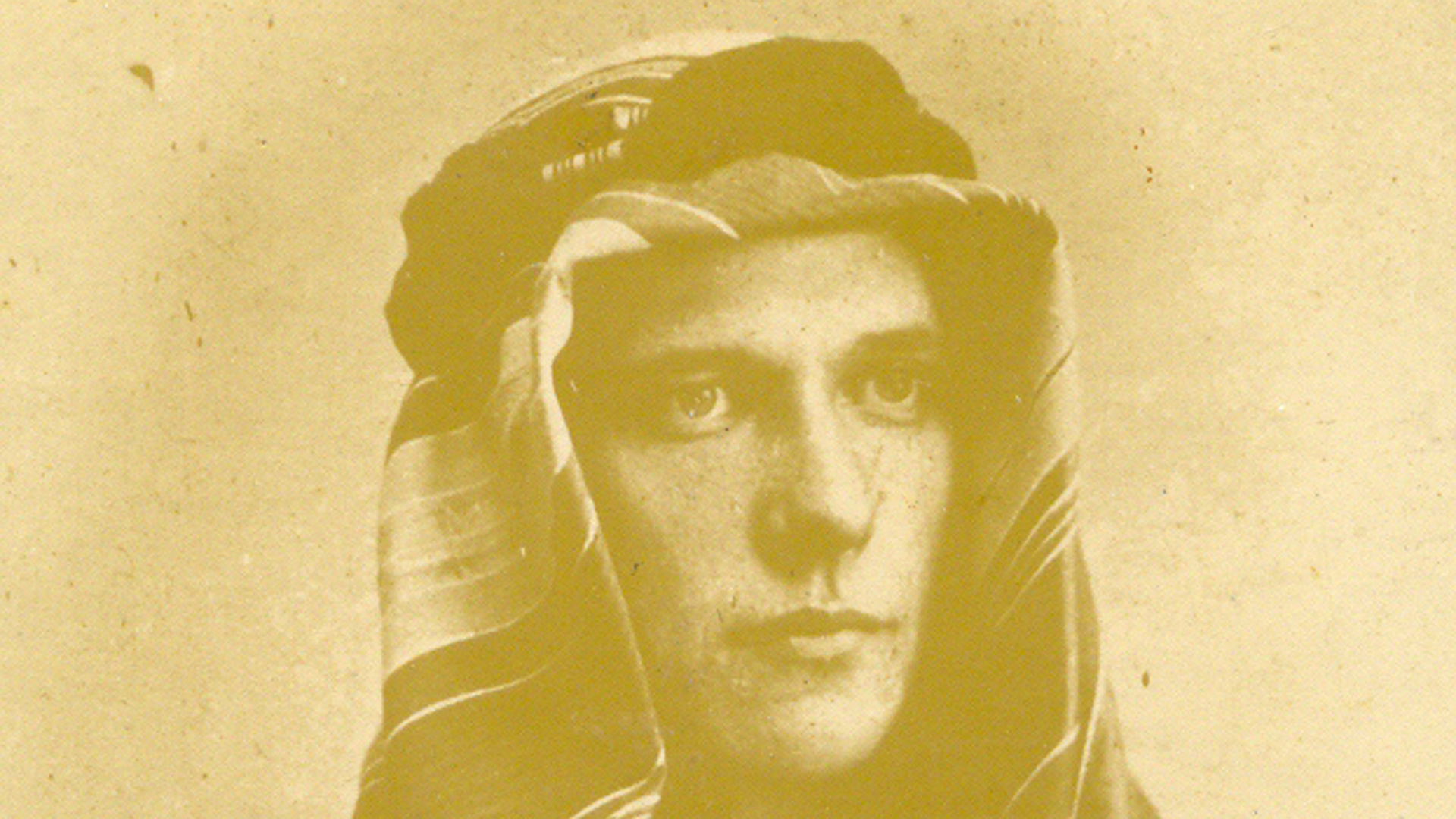
1867-1952
As the twentieth century unfolded, the bonds between missionaries and their host countries became one of mutual support and affinity. While blatant evangelism was forbidden, gentle persuasion of friend to friend taught both missionaries and nationals that there was much to appreciate in each other’s cultures and faiths. Missionaries were often accused of “going native,” as they effected the garments and the political perspectives of their host countries—and reported favorably on their experiences when they returned to the US.
Oil changed much, but the bonds of appreciation, even affection, persist. Appreciation for the institution building that the missionaries had done continues to this day. As more than one local monarch has put it, “Before you needed us and our oil, you came to serve our people.” When Secretary of State John Kerry greeted one Gulf monarch, he is reported to have referred to the long-term business and military connections between our country and theirs. The potentate then interjected, “and the American Mission.” Secretary Kerry had no idea what the reference was to, but learned quickly that, long before the merchants and military had arrived in this Gulf outpost, American missionaries, bearing a message of love and caring, had preceded them. And had been warmly received by the local community.
Perhaps the cynics were right all along. First the missionaries filtered in to soften up the locals; then the merchants arrived to take advantage of their resources; and then the military marched in to make sure the merchants had their way. But I am convinced that, long after the merchants and military have decamped, those bringing a message of love and service will be there in place. And the reception they receive will continue to be a warm and appreciative one.
There is a better way.

12 Responses
Thanks, Don. Seeing Dr. Thoms in that photo is powerful, knowing the story of his death, and the return of his son. I can vouch that even in 2026, if you tell any Omani taxi driver that you are from the mission of Dr. Thoms, you get an immediate, joyful “Doctor Thoms!”
The sanctity of their witness to the Lord Jesus, making no demands on the people, is directly opposite the shameful “taking the Lord’s name in vain” by the Secretary of Defense.
Dandy Don,
Thank you for this blog. I wish that our nation would return to the era of non-militarism in that region. The world would be a better place.
And how well I remember my distant relative, Cornelia Dalenberg…. Her entire adult life as a nurse in Bahrain.
Thank you, Don. As we see Lebanon torn, we think of your family. Giving thanks for them and this story. We pray and work for peace.
Thank you, Don. Very timely article and a good reminder. Now if our US government leaders would only read and understand this.
So well stated, Don.
BO (before oil), missionaries gave care and comfort to the local populations.
Thank you for this reminder of Americans and others, at their best.
Don,
As I read this I became more and more emotional having witnessed first hand the legacy of RCA missionaries in Oman, continuing in the ministry of Justin and Stepanie Meyers, Joshua and Erica Bode, and our friends at the Al Amana Centre. The respect and affection that Omanis continue to have for the mission of the RCA is a testimony to the enduring good work that now spans a century and one quarter.
Thanks for reminding us of what really matters regarding American presence in the Gulf.
I would include those secular missionaries, the Peace Corps and other aid agencies. My division dean in my community college did several gigs for the Peace Corps and the UN early in his career. He said some of the finest individuals he ever met were missionaries; some of the worst, from the US State Dept.
Thank you, Don. Very timely article and a good reminder. Our US government leadership really needs to read this and consider it when making policies.
Thank you for this. Information I didn’t know!
Thank you Don. Grateful for a fellow traveler to share such an honest and gracious perspective.
Don, Although I had read this essay before it was submitted to RJ, it was good to read it again. And it deserves to be read often.
This essay should also be published in national newspapers, because your message is so powerful and so timely.
Thank you!