
Someone once said that every parting is a large or small death. And that is how I would probably define death—as a small or large parting of significance.
I remember “practicing death” as a small child, fascinated by it, probably, because one of my dear friends in elementary school had died from a rare disease. That was one of the first coffins I stood beside—more curious than scared, as I recall. Such a tiny little golden, pale doll she looked there in that tucked and formal little bed they called a coffin!
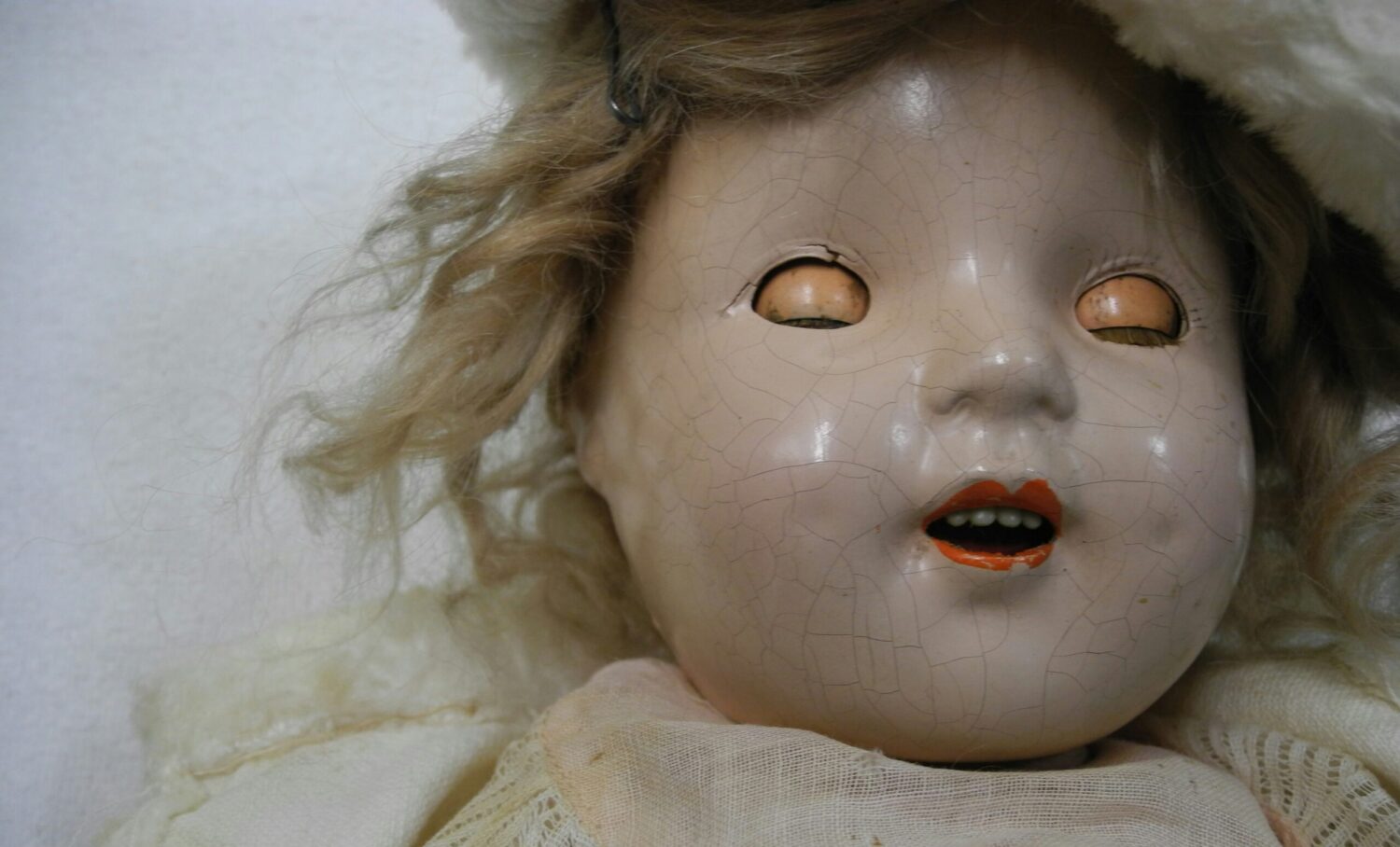
And so, a short time later, I took my favorite doll, whose name was Emily, and I dressed her in her nicest dress—the little blue one she came wearing, and draped my favorite locket a few times about her neck, and buried her in the woods behind our house. I found a sturdy tree and dug a hole beneath it, and ceremoniously laid her in it, solemnly patting the earth over her.
There were words that must be spoken at such times, I recalled, but since I didn’t know them, I simply did the sign of the cross in some kind of clumsy, non-Catholic fashion. And then I left. But I memorized where the tree was located in case I decided to resurrect her from her grave in the future.
A week passed, and when I sought to find Emily, I realized that there were many trees in those woods, and they all looked very similar. After digging without success at the base of a few of them I gave up in teary and slightly frightened frustration.
There have been many small deaths in my life. Moving away from our home in the country. Leaving behind the friends I made in middle school when I came to high school because I thought I had outgrown them. Cutting my long hair. The final performance of a play. Graduation. Sending my oldest child off to school. Changing jobs. A glorious sunset. Each parting softens and breaks the heart a bit. Sometimes much more than a bit. And these small deaths are rehearsals for the big ones.
When my father died, I remember turning to my husband and sobbing, not so much because I was taken by surprise, as he was in poor health; we had been bracing ourselves for it. No, I cried because his voice was stilled. Because I wouldn’t get to hear his boyhood stories any more, because I would no longer be the recipient of his silly April Fool’s jokes, or his good-natured teasing. Because I could no longer listen to his wisdom on life itself. A simple man of great integrity. A godly man.
The day he died he asked my mother to call the family to come to his bedside because he was going to die that day and he wanted us to be with him. Of course we dutifully came, even though the nurse had assured us that his condition was stable. When we had gathered in his small hospital room, my father told us how eager he was to go home to see all the people he loved who had gone on before him. And he told my mother how beautiful she was. At one point, when the room was still, we suddenly heard him chuckle. We all looked up at that—we thought he was sleeping. He looked around the room and grinned. “You guys are really gonna miss me.” Oh yes.
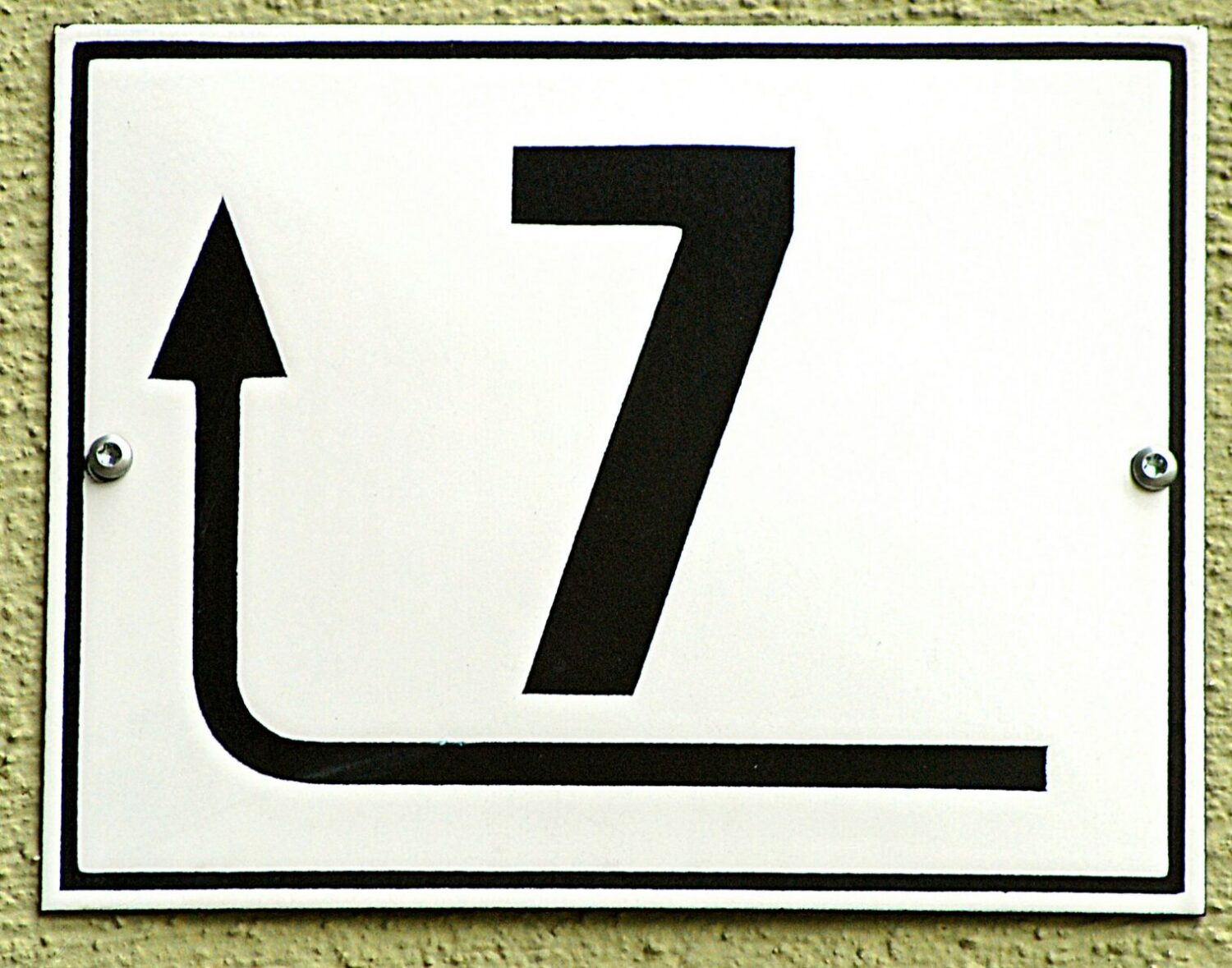
The most untimely parting in my experience was the death of our son, Adam, when he was just seven years old. Seven—the “perfect number” as he liked to point out. I remember sitting on the couch beside him. It was covered with a soft down comforter because his bones hurt. He was surrounded by his Aslan lion, a few favorite books, his tape recorder, and many special greetings from friends and family.
At the end his body was a living skeleton, and his face was all eyes, and those eyes spoke of worlds of suffering and wisdom. Death was waiting impatiently for him. Without a miracle, I knew he would be gone in a few days.
It had rained for 25 days in a row that October, and I actually welcomed the absence of sunshine. His death, like my father’s, was full of mystery. Near the end, Adam whispered to me, “I’m going where Reepicheep went, Mom. Soon.” And I could only whisper back, “Yes…to Aslan’s country, Adam.” Soon after, he fell into a comatose state until, just prior to dying, he opened his eyes wide and spoke one last time.
I read recently from a book that recorded the supposed last words of some famous people. Charles V of France said simply, “Ah, Jesus!” Therese of Lisieux said, “I am not dying. I am entering life.” Beethoven said, “I shall hear in heaven.” And O. Henry said, “Turn up the lights. I don’t want to go home in the dark.” And my beautiful son Adam said, “I see everything! I SEE EVERYTHING! “
In the teacher’s lounge at the school where I used to teach we somehow got on the subject of suffering and death over coffee one morning. It may have come up in the context of a movie that had “too much of it” or simply in recounting the details of a tragedy that was reported in the news the evening before. Eventually someone piped up, “Let’s not talk about something so depressing.” I understood, of course, but a part of me wanted to remind us all that death is what makes us sit up and take notice. Death is what shapes and equalizes us. It is the admonishment, not to be afraid, but to live well.
For a long time after Adam’s death, both of his siblings, when asked what they were going to be someday, would answer, “Well, if I grow up, I’m going to be a….” If. Not when. For a time that word distressed me. But it is exactly right. The only given we have this side of heaven is that there is something better awaiting us when it comes time for that final parting.
And so, I am trying, in the poet Wendell Berry’s words, to “practice resurrection”—to reclaim, even in the midst of partings, that in dying, we are also “entering life.” I am trying, believing with all that is best within me, that Aslan is waiting to greet me too.
Header photo by Alexas_Fotos on Unsplash
Doll photo by Tracy Jentzsch on Unsplash
Seven photo by Marcel Eberle on Unsplash
20 Responses
This is beautiful, Nancy. Thanks for not shielding us from the hard parts.
Thank you for sharing light and sight beyond.
This is wonderful. Makes me think of that old German hymn, Komm süßer Tod.
wow. thank you.
Beautiful and moving. Thank you.
This is beautiful. Thank you.
As a result of one of your prior pieces, Nancy, I bought “Words: Devotions for Readers” for my daily readings. And I gave copies to both my kids, each of whom had you and Brian as a teacher at some point along the way. That book’s daily entries are worthy of slow reflection as is this piece today here on the blog. Thanks for your vulnerable insights and for the book you and Brian crafted so well together.
Thank you! Thank you! Thank you!
Thank you, Nancy!
Nancy, I too feel the sting of death. My husband and I had a life changing car accident when attempting to see for the first time our granddaughter who just arrived from Ethiopia. Charlie and I lost our jobs as professors at Dordt. Charlie started the engineering program at Dordt but also loved to listen to music and to read good books. He additionally was a crafter of wood and made many articles such as book cases and furniture that I truly love. His death nine years later was very painful for me to remember. His once amazing brain was not amazing anymore but he still loved his Savior and prayed and sang and listen to me read the Bible to him. This was done with respect and I did pray for that.
Blessed are you who share your pain to bring hope to those of us who live. in our doubt- filled intellect. Brought to tears (again) by Adam – thank you so much.
Thank you. I am reading this even as I remember finding my sister’s deceased body six years ago.
Thank you, Nancy, for finding just the right words for what to many of us is unspeakable.
So many reasons for us to remember and practice Shakespeare’s Sonnet 73’s closing couplet:
“This thou perceiv’st, which makes thy love more strong
To love that well which thou must leave ere long,”
I see everything. Thank you for all of this, and especially your son’s final gift to you.
After being at my father’s side upon his peaceful passing from cancer, and from holding my 4 year old son as he saw angels before he died in my arms from the same damnable disease, I have no fear of death. These experiences have given me motivation to live life well but humbly, to find miracles and joy in even the smallest of things, and to claim God’s goodness and grace in every moment of every day. I still grieve, but I also eagerly anticipate the life to come! Thanks for your insightful words that spoke to my heart.
Thank you, Nancy, for this heartfelt and helpful piece. Just what I needed today.
Nancy – lovely, honest, and true. Thank you.
Nancy, this is beautiful and important. Thank you.
This was so moving. On the last day in Developmental Psychology, I cover terminal lucidity (sometimes called the lucid window). I’ve never witnessed this myself, nor has my surgeon daughter, who watches people die too frequently in a big hospital. This was a moving example, which I have forwarded to my other colleagues who teach the same course that I do.
Thanks, Nancy. I did not know about Adam. Rich’s last words were “Very much so!” After he groaned, I asked him “does it hurt?” “Are you ready to go?” I’m not which question he was answering, but maybe both. Thank you for calling it the “Life Change” book group – the name Troy gave the group when he started it, even though the administration wasn’t too fond of the idea (life change!) If it’s not about life change, it’s not about much, right?