
I am still basking in the glow of the Festival of Faith and Writing, which I attended at Calvin University a couple of weeks ago. As a longtime attendee of the Festival, it was a particular joy to be one of its presenters.
While the event is definitely a festival of writing, it is clearly also a festival of reading. Because how does one separate the two? Reading and writing are intertwined, and in discussing how to get words down, we need to read them, too.
And what a joy to be surrounded by bookish people. To be among a throng eager to share titles, quotes, and meaningful words. As my new friend and fellow middle-grade author, Kate Albus, put it during her session, it’s good to consider the “books in your own syllabus,” the words that have shaped us. Kate also pointed us to Jason Reynolds, who served as National Ambassador for Young People’s Literature from 2000-20022, who said: “One must have stacks and stacks and stacks of books on the inside of our bodies.”
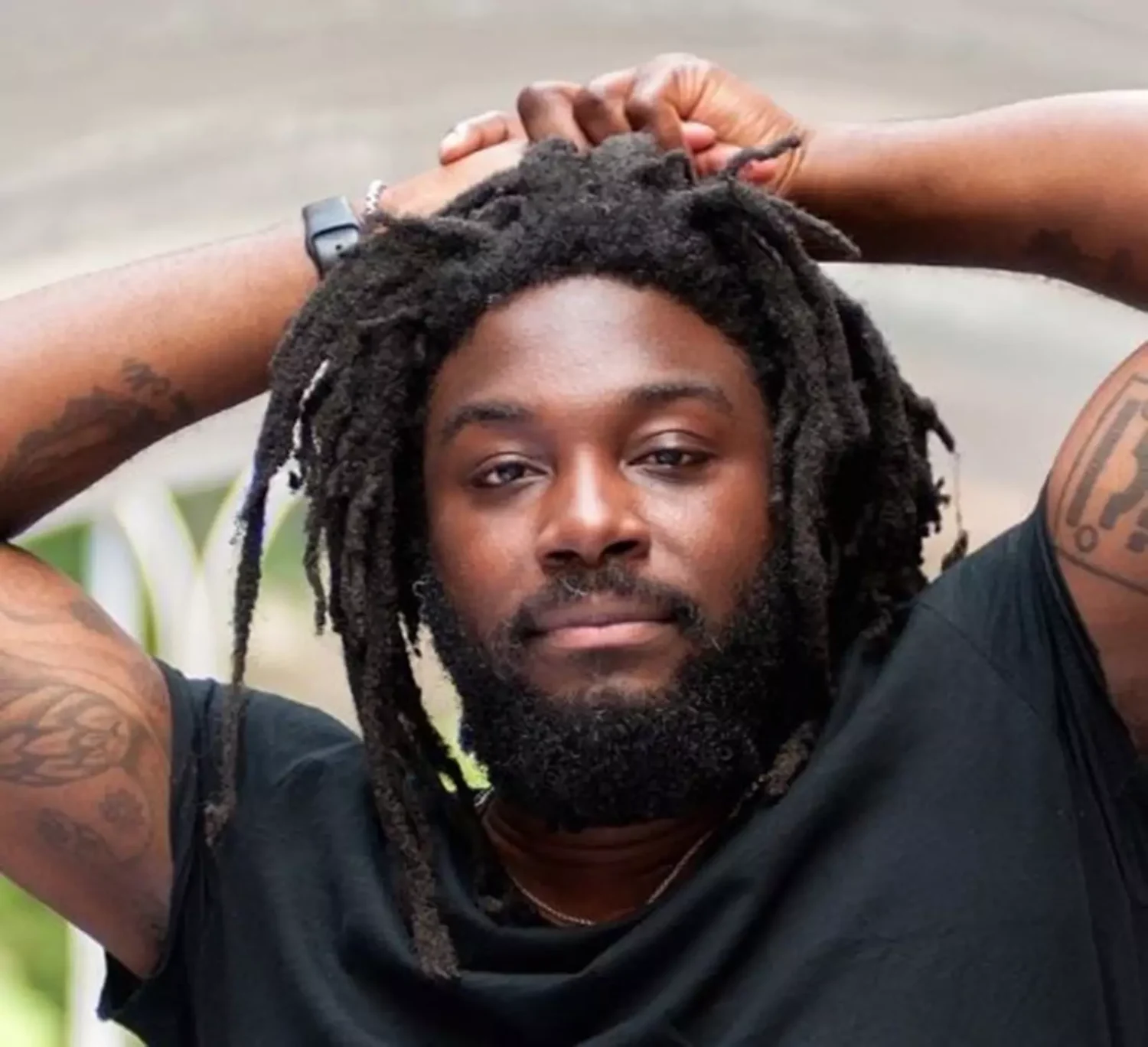

There is power in not just being a reader, but being among other readers. To rub elbows and ideas with others fueled by stories, alert to empathy, and digging for deeper meaning.
I kept thinking, this is the world I want to live in. A world filled with readers.
Back home, and still thinking about the power of reading in community, I happened upon a short history of Anne Hutchinson, widely credited as the book club’s founder.
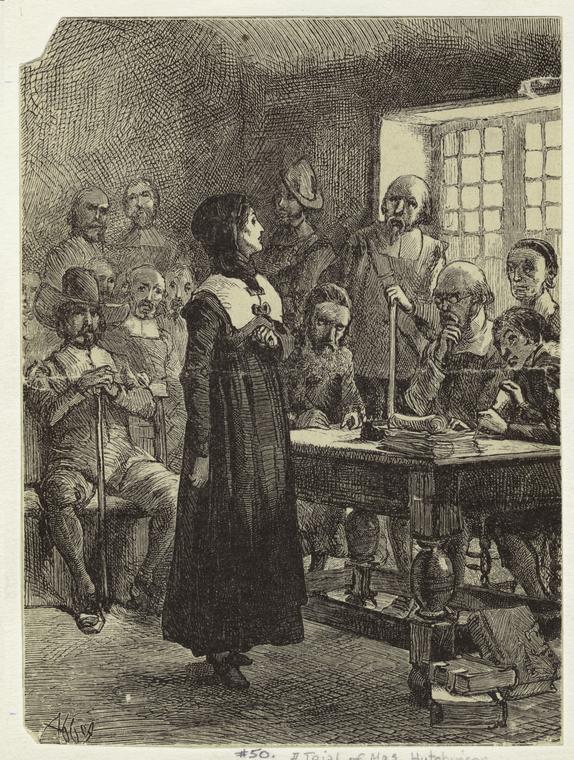
In 1637, Hutchinson was banished from the Massachusetts Bay Colony. Her sin: bringing women together, especially those who lacked a formal education, to discuss and debate weekly sermons or religious texts. This talking, about books and ideas, especially by women, was considered too dangerous, too scandalous. Her early book clubs were considered heresy, especially when they led to possible questioning of a covenant of works and leaned too heavily into God’s grace. Hutchinson was eventually kicked out of the Colony for religious heresy, sedition, and a threat to established social gender roles.
If the act of gathering to discuss ideas was once considered so threatening that it warranted exile, then perhaps we are not taking it seriously enough today. We have domesticated something that was once considered radical. We bring snacks now. We pour wine. We laugh. But underneath the easy warmth of a book club meeting is something genuinely powerful.
We need more of this. More meeting in person, face to face, to talk about words and wrestle with ideas, to question and to disagree and to still leave as friends.
I think our society could be saved, or at the very least, greatly improved, by book clubs. Here are four reasons why I believe that, but if you’re in a book club, or a bookish club, I bet you could help me brainstorm more.
1. Stories Make Room That Arguments Don’t
There’s a reason we’ve been telling stories since the beginning of human civilization. Stories are sneaky in the best possible way. We can hold a firm belief about a group of people—a conviction we would defend vigorously in any debate—and a story can quietly dismantle it from the inside.
Arguments entrench us. Stories unbuckle us.
A story doesn’t present a thesis and demand a verdict. It invites us in. It asks us to inhabit someone else’s life for a few hundred pages, to feel their fear and their hope, their goodness and shame.
When we discuss stories in a book club, we can’t easily draw clean lines between good and bad, hero and villain. The characters are real and complicated and contradictory — just like people. And because we’re talking about them, we can sometimes say things we couldn’t say about us. The distance of fiction creates intimacy. It makes room for people, and for perspectives, that an argument never could.
2. There Is No Wrong Way to Be a Book Club
Book clubs resist standardization. The ways to gather and organize are stubbornly, beautifully various.

I get invited to visit book clubs often when they choose to read my book, Enemies in the Orchard, and I’m moved every time, not just by the warmth of the participants, but by the intimacy in the room. Some have been meeting for decades; one group for nearly 50 years. Each has a story of connection—how the people there found each other, what they’ve read together, how those books have held them together, kept them coming back.
Personally, I belong to two book clubs, and they could not be more different.
The first is a small group of women who have been meeting for nearly a decade. Books brought us together, but over the years, we’ve evolved into something more social than organized. Which is to say: we don’t always all read the same book at the same time. Sometimes we show up and talk about what we’ve each been reading separately, braiding our different reading lives together in conversation. We’ve seen each other not just through plot points, but through parenting, job changes, adoptions, deaths, celebrations, and lots of the in-between.
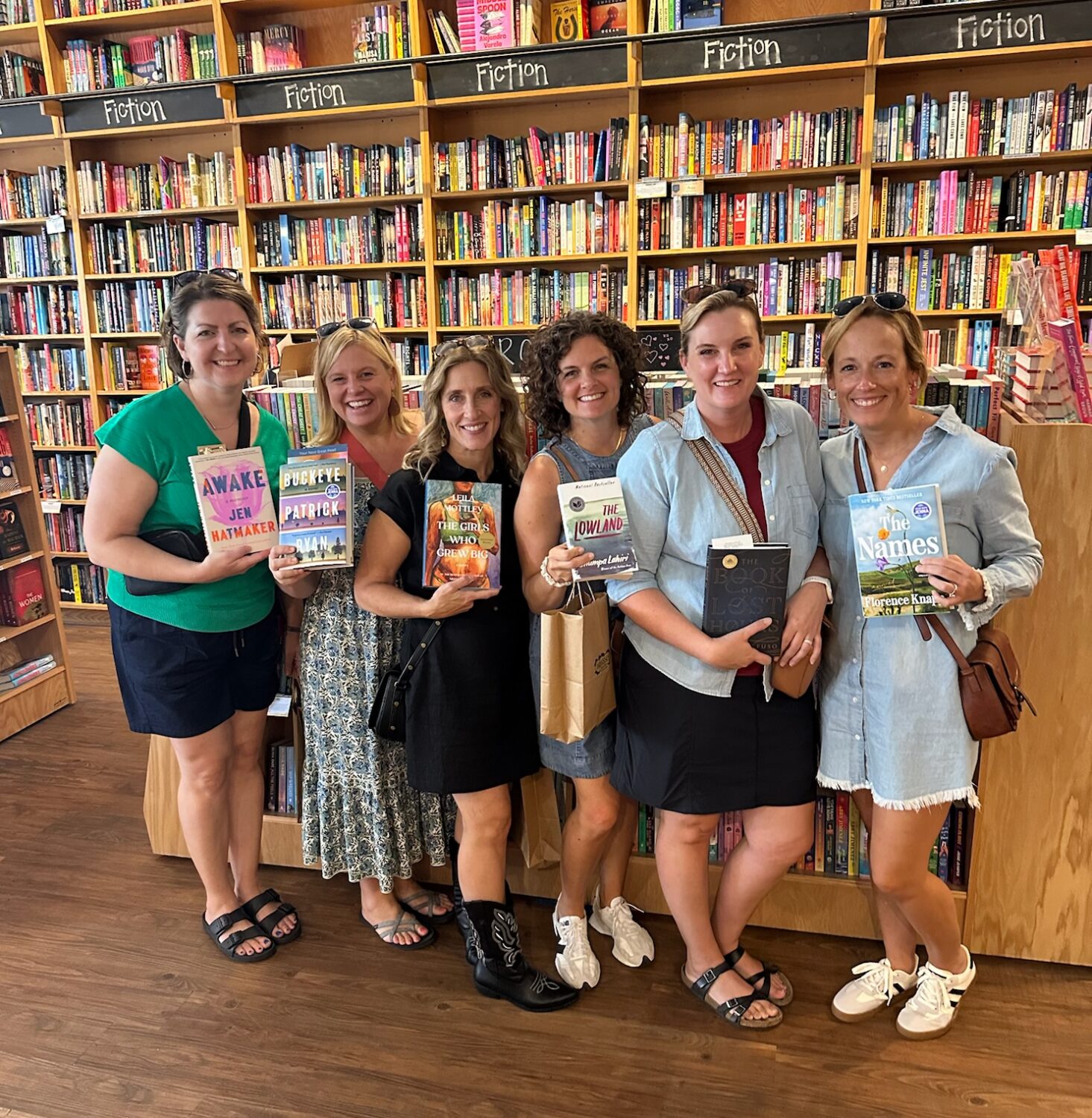
My other book club is larger and more structured. A date and title are sent out in a massive group text, and whoever can gather, gathers. There is still food, and catching up, and general merriment — but the discussion is intentional. We sit in a circle. Everyone gets a turn to speak. Our leader is great fun, and very strict about there being no side conversations. We all need to take our turn to talk, and we all need to do a lot of listening.
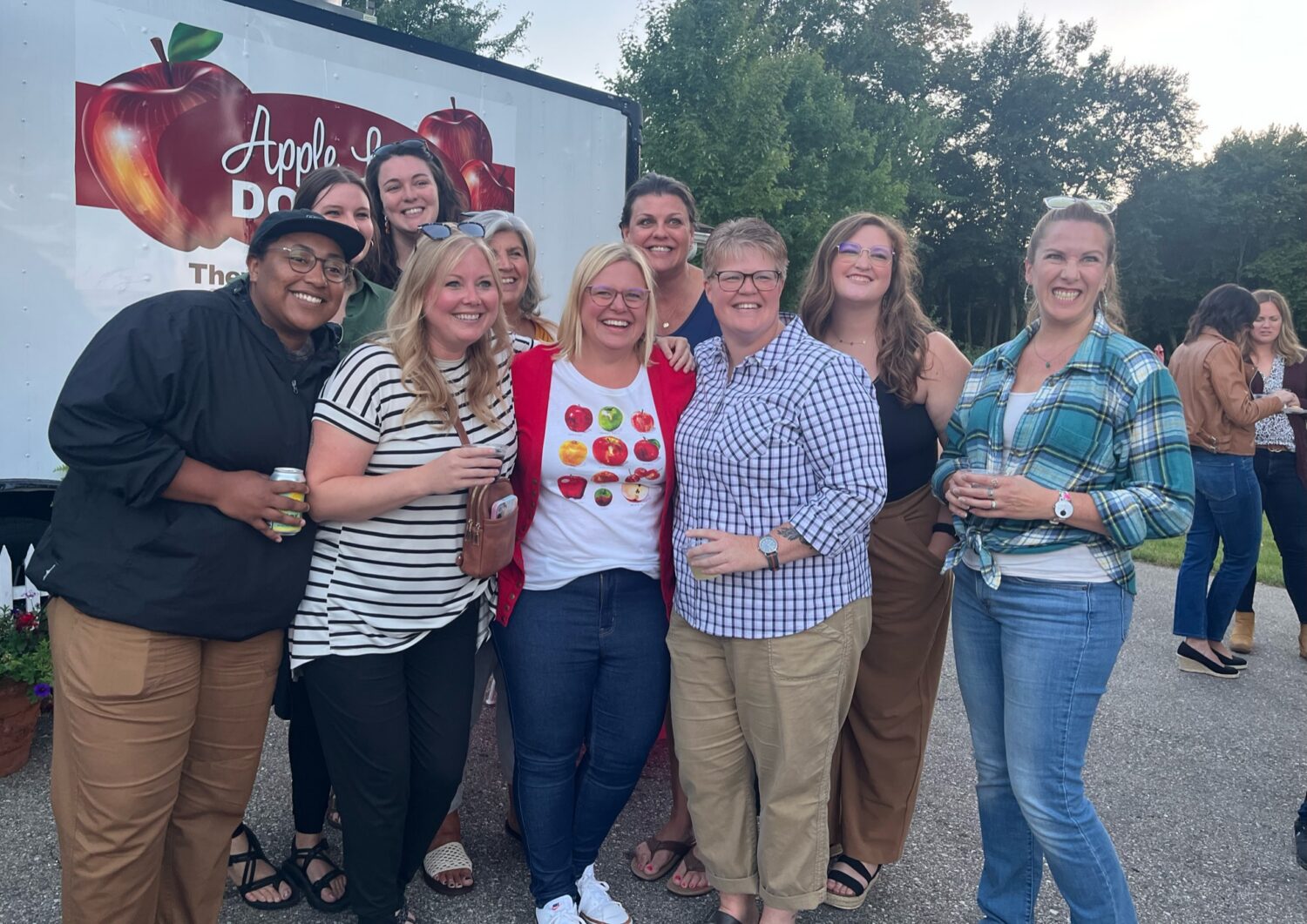
Both clubs are wonderful. Both are real. And though one might accuse me of cheating with them on the other, I continue to make room for both.
Unlike churches or institutions, book clubs don’t need to fracture into factions or denominations. There is room for the rigorous and the relaxed, the monthly meetup and the decade-long standing date. There’s room for wine or water, for those who finished the book three weeks ago and those who listened on audio at 2.0 speed on the way over. You show up as a reader. That’s enough.
3. Book Clubs Normalize Disagreement
One of the casualties of our current cultural moment is the sense that disagreement is dangerous—that to think differently than the people around you is a threat to the relationship itself. We have sorted ourselves, online and off, into spaces where everyone more or less agrees, and as a result, we’ve lost practice with the ordinary, healthy friction of differing views.
Book clubs are gentle training grounds for something we desperately need: the experience of disagreeing with people we care about, and surviving it.

Recently, one of my book clubs read Shark Heart: A Love Story by Emily Habeck—an unconventional novel about a newlywed couple whose marriage is upended when the husband is diagnosed with a rare condition that causes him to slowly transform into a great white shark. (Yes, really!) The room was beautifully, hilariously divided. Some of us found the novel layered with meaning, a profound meditation on love and loss and the strange grief of watching a partner change beyond recognition. Others found it utterly baffling, ridiculous, and thought the others had lost their ever-loving minds.
And it was completely fine.
No one left angry. No friendship was damaged. We laughed, we pushed back, we listened. That is not a small thing. In fact, I think it might be one of the most important things.
4. Community Deepens Through Conversation
You come for the books. You stay for the people. And somewhere along the way, the boundary between the two gets beautifully blurry.
Books are built on the hardest parts of life — conflict, grief, fear, longing, failure, love that costs something. And when you sit in a circle and begin to talk about those things, even wrapped in the safe container of fiction, the conversation has a way of turning personal. Someone mentions a passage about grief and then pauses. Someone else nods slowly in a way that means more than nodding. The book becomes a door, and the door opens into something real.
It can be hard to talk about life’s hard parts directly. But it’s much easier when a character has gone first. Book clubs create that opening— a safe place to move far beyond small talk, to share when we’re ready, and sometimes even when we’re not quite ready but need to anyway. Books make room for our hurts in a way that feels gentle, almost accidental, which is sometimes exactly the way healing has to happen.
_____
Anne Hutchinson was right to think that gathering to read and talk was worth the risk. How extraordinary it still is to sit in a room with other humans, to slow down, to pay attention to language, to be moved by something together.
How much more a book, and the ideas it contains, come to mean to us after we’ve had the chance to talk and process together.
I’m not suggesting that joining or sustaining a book club will solve everything. But I think they can do more than we give them credit for. Reading more, and gathering more often to talk about what we’re reading can make us more empathetic, more practiced in disagreement, and more rooted in community.
In a world that is loud and fast and increasingly lonely, reading and discussing together is a quiet act of resistance. Let’s make it happen more often.
“Trial of Mrs. Hutchinson” The New York Public Library Digital Collections. 1876 – 1881.
17 Responses
Dana,
Amen to everything you say here. I love each of these reasons for why folks like us meet around books and would only add what’s implicit in each of your points: reading books together raises the level of any discussion. As you say so well, “The book becomes a door, and the door opens into something real.” What a gift this essay is!
Everything you write is always delightful.
So very true. Thanks for saying it so clearly.
Our Reformed Book Club has been meeting once a month, September through June, since 1978, with a good amount of food, wine, friendship, and illumination. The love of reading has drawn us together to explore stories that might challenge or baffle, but are never dull. We each have a folder with all the titles, book covers, and a brief summary; I’m just finishing the update to bring us to this season. There is truth in your pointing out Anne Hutchinson if we acknowledge that reading brings to light the shared humanity in even the darkest characters while often telling a story with a hint of grace. Seeing life in that way, we are, indeed, dangerous.
I love that you’ve been meeting so faithfully for so long —and keeping records. Dangerous, indeed!
Such a timely post. I just formed a book club six weeks ago. Instead of being sad that no one had ever invited me to a book club, I would formed my own. It’s made up of guys who’ve also never been asked to be in a book club.
Tonight’s book is I Cheerfully Refuse by Leif Enger. Looking forward to saving the world in our discussion tonight.
What a great book to discuss! It’s the best kind of world saving.
Dana, you’re “right on!” Delightfully read your “‘Enemies…..” My/our bookclub is mixed. Men and women, wives and husbands….formed when one of us asked his wife, “Why can’t I be part of your book club?” as after moving to West Michigan, forming a new club with some familiar faces, and before you know it we had a club that’d been delightfully enjoying a variety of books…..stretching our scope of reading, delighting in goodies shared, and challenging our thinking. Many of us would sooner “miss church” than Book Club. 🙂
I love that all are invited!
Thanks, Dana. I’ve never been in a book club — with the notable exception of being in Bible studies. But your post got me thinking about how Bible studies could be more like book clubs. We already have lots of different kinds of Bible studies, but I’m afraid we often try to patch over the messiness of Bible stories with rigid Bible doctrines, that we often use Bible studies to reinforce an approved interpretation rather than living with disagreements, and Bible studies often fail to deepen conversation or community. That’s too bad. Some of this might happen because many of the participants already feel like they know the Author of the Bible, and thus they know the right interpretation of what the Author meant in his Book.
I really enjoyed this post—it’s a thoughtful and compelling argument for why reading together matters more than we often realize. I like how it highlights book clubs not just as social gatherings, but as spaces that build empathy, encourage meaningful dialogue, and help people truly listen to one another. It’s a powerful reminder that shared reading can quietly strengthen communities in ways that feel both simple and transformative.
I’ve been part of our book group since 1996. We have two rules. You have to show up (relationship is critical). You can’t be offended by the amount of alcohol consumed (it’s a no judgement zone). Mostly we live up to our two rules (neither one is that you have to have read the book, although most of the time most of us do). As one member said years ago, “book group is church.” There is a lot of truth in her words.
Thank you for your wonderful words!
Wonderfully awakening to realizations artfully articulated. I bet even many book clubs haven’t realized these incredibly valuable results of being together with the life that is a book.
Thanks as always, Dana
Reading Enemies in the Orchard for the first time caused me to regret retiring from my 40-year career in teaching. “Just one more book”, I thought, “if only I could teach just this book, too.” Your reasons for reading in a group are so spot on; thanks for articulating something I’ll share next month in mine. Thank You!
You seem to only be considering in-person book clubs. Book clubs that meet by Zoom can be good, also. I’m in two groups that went to Zoom during the pandemic and one that was started by a public library during the pandemic. The first two have stayed online, partly because it’s comfortable but mostly because some faithful members have moved away from the area or are often out of town to share caregiving for a family member. The library book group is now hybrid; I prefer to attend in person (it’s easier to hear). However, when there is freezing rain and I have actually finished the book, I am very grateful to have the option to participate remotely. Of course it’s not the same, but it’s much better than no discussion at all.
Dana, I love this essay. Thank you for writing it. I could not agree more. My first book club was made from a group of young moms (mostly teachers or teacher’s wives) in southern CA. We laughed until we cried, we supported each other, we drank wine, and we gave each other parenting advice. In a season of life that can be exhausting (mothering lots of young children), we gave each other a space to rest and just be women together. When we moved to W. Michigan, I immediately asked a few favorite neighbors to start another club. I think book clubs also hold the secret solution to the “lonliness epidemic” we are facing. At least, for me, it has been the solution. 🙂 Thank you for validating the love I have for Book Club. 🙂