
Bodies and Body Parts
A Review of Replaceable You: Adventures in Human Anatomy by Mary Roach
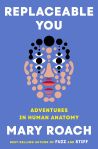
Replaceable You: Adventures in Human Anatomy, is the latest New York Times bestseller from quirky author Mary Roach. Roach, an investigative journalist known for her earlier works such as Stiff: The Curious Lives of Human Cadavers and Fuzz: When Nature Breaks the Law, has a reputation for exploring topics within science that many might consider “off-beat” or even taboo. Replaceable You is no exception as it explores the fascinating world of prosthetics, organ transplants, tissue donation, and regenerative medicine accompanied by Roach’s signature humor, candor, and wit. Throughout the book, Roach examines how modern medicine attempts to repair and/or replace damaged parts of the human body in a quest to improve and extend one’s life, inviting readers to contemplate topics of ethics, accessibility, and human dignity. Although approached scientifically rather than theologically, to a Christian audience, Roach’s descriptions of the body’s complexity reinforce an appreciation for the intricate intentionality of God’s good creation and reminds readers we are not merely a sum of physical [replaceable] parts.
The book opens with Roach offering a brief, historical account of false teeth followed by an intriguing observation that over time, prosthetic devices have “migrated inside the body…becoming more integrated, more complex, more expensive” citing examples such as toupees to hair transplants. From there Roach takes readers on a tour of medical innovations ranging from prosthetic noses, skin transplants, xenotransplantation (transplant organs from a non-human source, such as pigs), limb amputation and prostheses, 3D printed tissues/organs, hair transplantation, and more. Seventeen distinct chapters dedicated to exploring a wide range of medical procedures and technologies, compiled through a host of interviews with physicians, researchers, and patients from around the world. Whether touring pig facilities in China, traversing the Mongolian countryside with a nonprofit group of ophthalmologists, or experiencing the respiratory assistance of a functional iron lung used during the polio epidemic, Roach does not shy away from an opportunity to gain first-hand insight into each curious topic.
A consistent theme throughout the book is the critical role played by the body’s immune system in determining the outcomes of proposed medical advancements involving integration into the human body. Despite today’s cutting-edge technologies, the success of a new “solution” almost always seems to hinge upon whether or not the body’s immune system can be “tricked” into accepting it, creating a massive hurdle for researchers aiming to incorporate replacement parts into the body. This reality serves not only as a humbling reminder of the superiority of our innate parts (even at the microscopic level) and divine Creator, but may also instill a deepened respect and appreciation for the body we are given. In the book’s final paragraph, Roach writes, “But the pieces science builds – and grows and prints and scavenges – won’t ever quite equal the ones we start out with.”
Another important theme woven into the chapters of Replaceable You is the idea of vocation or calling. Throughout the book, Roach highlights the dedication of numerous clinicians and researchers who devote their lives to repairing injured bodies and improving the lives of others. Their work often requires years, if not decades, of study, sacrifice, creativity, and emotional endurance and reflects compassion, stewardship of knowledge, and care for vulnerable individuals – a ministry of hope and healing. Roach writes, “As the beneficiaries of this kind of passion and dedication, we owe our scientists a lot. We owe them gratitude, awe, respect.” At the same time, Roach’s discussion of medicine also reveals some of the pressures and ethical responsibilities that are part-and-parcel to this line of work. These individuals must constantly balance innovation with humility and moral discernment. Replaceable You not only explores advances in medicine but also illustrates how this innovative medical research can be a meaningful calling centered on service to others, compassion, and human dignity.
One of the greatest strengths of Mary Roach’s writing style is her ability to make technical scientific topics understandable to a wide range of readers. By combining humor, storytelling, and wildly fascinating footnotes, Replaceable You is a written constellation of interviews intended to better explain complex subjects such as prosthetics, organ transplants, and regenerative medicine. Her conversational tone keeps the book engaging while also encouraging readers to think more deeply about the future of medical technology. Replaceable You occasionally, through its casual and matter-of-fact language, risks reducing human beings to biological machinery; however, I do not believe this is the author’s true intention, but rather a consequence of her comfort level in writing about the macabre. Roach succeeds in helping readers appreciate the remarkable architecture of the human body.
Mary Roach’s Replaceable You is a good read for those interested in the intersection of science, medical innovation, ethics, and the future of healthcare. Roach’s exploration of replacing bodily parts prompts readers to consider the limits of our own bodies and also the limits of medical interventions. To a Christian readership, there are many opportunities to apply faith-based ideology throughout the book, but such topics are often insinuated or hinted at rather than explicitly outlined. The book may also appeal to individuals who enjoy reading about advancements healthcare, although some may be uncomfortable with Roach’s dark humor or detailed descriptions of various medical procedures. Ultimately, the book encourages meaningful conversations surrounding physical health, quality of life, research ethics, and of course, the beautiful complexities of the human body.

One Response
Thank you for this very inviting, and honest review. I’m adding this book to my “want to read list”.