
This summer it seems like every week there is a new report of a disease outbreak. Are these outbreaks unrelated events, or are they symptoms of deeper problems?
The pathogens are different, but the doors that open to allow them to flourish are often remarkably similar. Furthermore, the outbreaks reveal something about how we have constructed our common life and what Christian love requires of us when that common life makes some people more vulnerable than others.
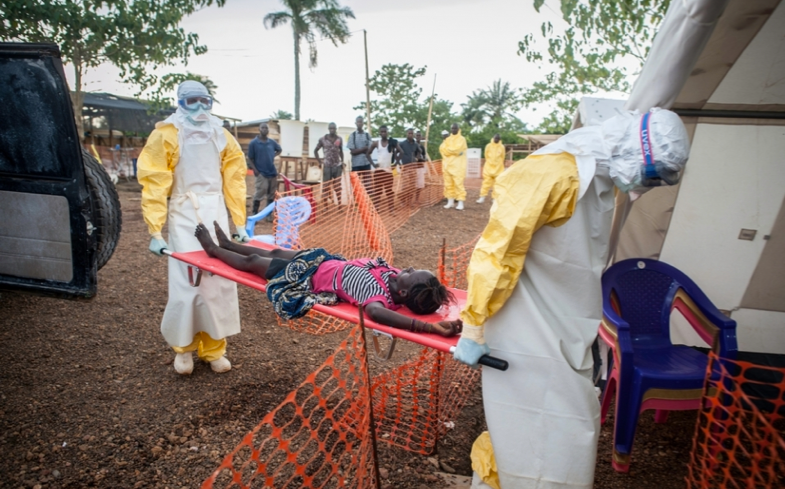
Conflict and displacement
An Ebola outbreak is raging in the Democratic Republic of Congo and spilling into Uganda. Ebola is caused by a virus and spread by direct contact with the bodily fluids of an infected person. The outbreak is occurring amid a humanitarian crisis in two provinces with active armed conflict. The conflict has displaced hundreds of thousands of people who have gathered in densely populated refugee camps.
Exacerbating the humanitarian crisis, the Trump administration dismantled the U.S. Agency for International Development (USAID), withheld other United States assistance to the region, and generally divested of public health infrastructure creating a perfect storm for an Ebola outbreak. The administration has recently responded with $242 million in funding to address this crisis, which will hopefully help but the response lacks on-site technical personnel. The funding is coming late but better late than not at all.
Climate and ecological disruption
Tick-borne diseases, like Lyme disease and Powassan virus are of concern due to warming temperatures enabling tick habitats to expand. Similarly, mosquito-borne diseases, like zika or West Nile virus are more dangerous in the face of climate change.
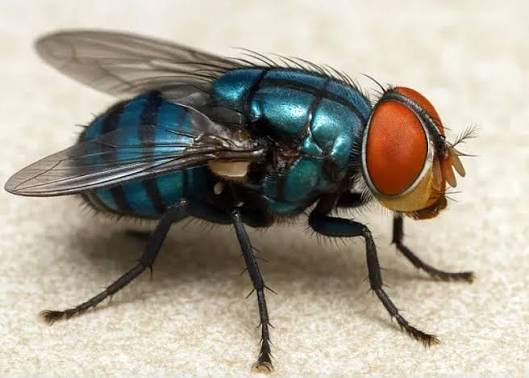
The New World Screwworm, Cochliomyia hominivorax, made an appearance in the United States sixty years after it was eradicated. Screwworms are flies that lay their eggs in the wounds of warm-blooded animals, such as cattle. When the larvae hatch, they feed on living flesh. The primary threat is to the agricultural industry. Because screwworms thrive in hot, humid weather, climate change is contributing to their spread.
Industrialization and consolidation
More recently we’ve all been warned about eating bagged and iceberg lettuce for fear of cyclosporiasis. The ongoing outbreak of “explosive diarrhea” is caused by a single-celled parasite called Cyclospora cayetanensis. It is transmitted by a fecal-oral route and appears most summers.
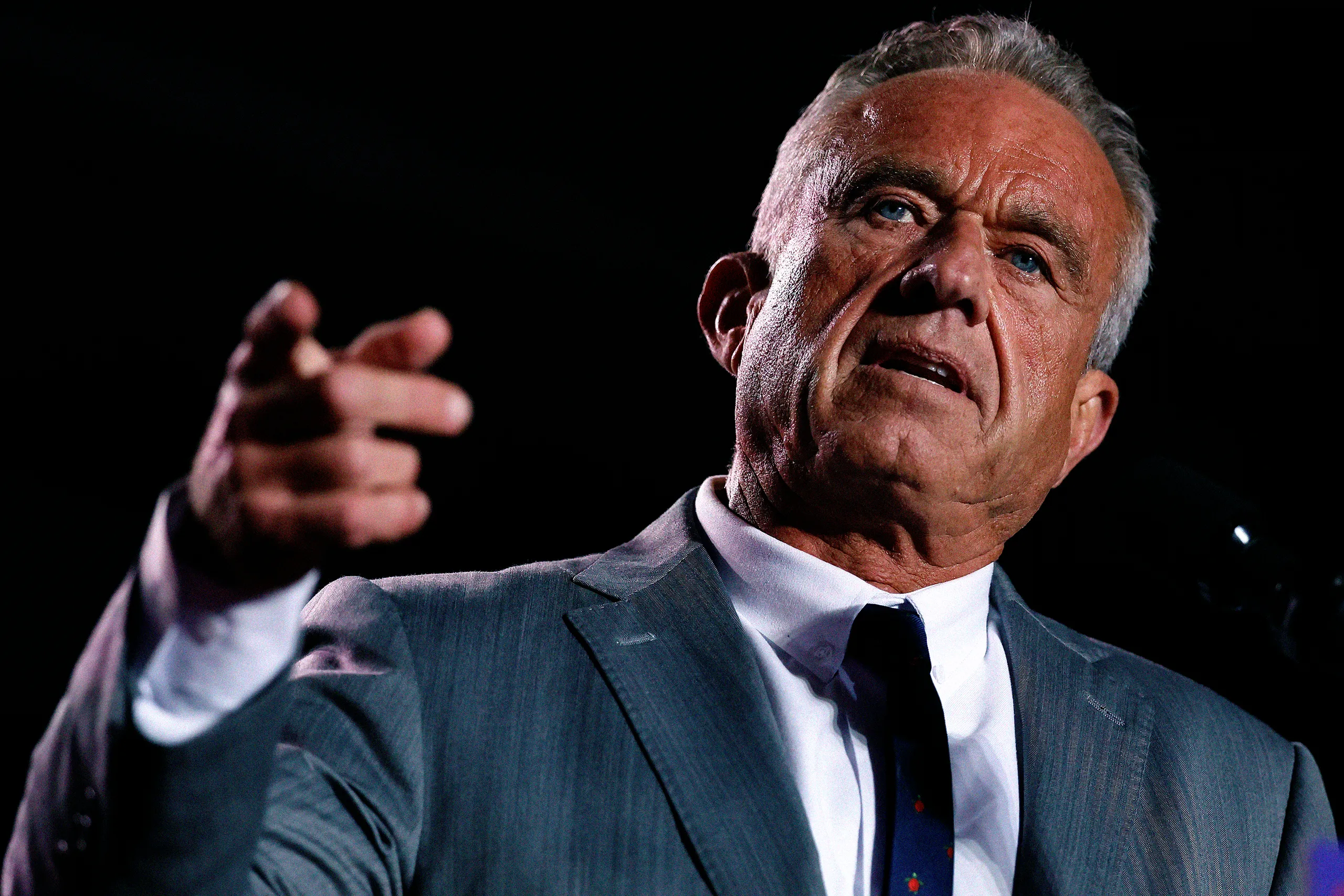
Robert Kennedy, Jr.
This year’s outbreak is unusually large and wide-spread, occurring in more than 40 US states. Unfortunately, I was familiar with cyclosporiasis because several years ago my son contracted it after he and his friends bounced grapes off a dock into their mouths. Ugh! When he was diagnosed, the clinic was required to report the case and the likely source of infection to public health officials. That mandatory reporting of Cyclospora infections was eliminated by Health Secretary Kennedy last summer. While monitoring and reporting won’t prevent infection, it can catch an outbreak early, identify the cause and source, and prevent an outbreak from blooming out of control.
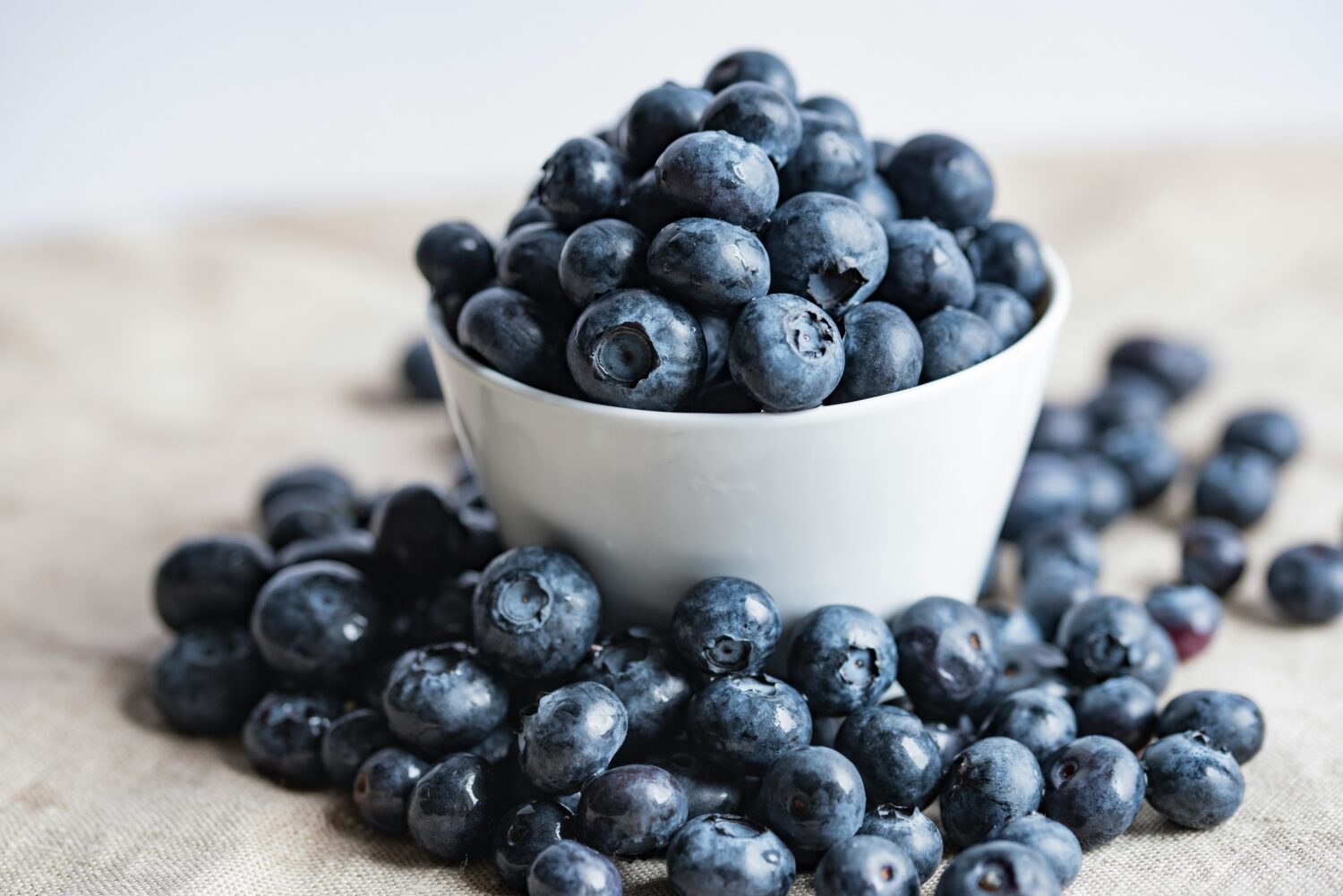
Blueberries are also off-limits due to E. coli contamination and jalapeños for fear of contracting Salmonella enterica. Both the Cyclospora and Salmonella outbreaks can likely be traced to Taylor Farms, revealing that consolidated growth and distribution of our food is a systemic weakness that makes us vulnerable to food-borne diseases. Climate change also contributes to an increased vulnerability to food-borne disease. Hot, humid weather enables these and many pathogens to thrive and persist.
Misinformation and mistrust

The ongoing measles outbreak is continuing with more than 2500 cases so far this year—already surpassing the total cases for 2025. It illustrates that an underlying cause of many disease outbreaks is health misinformation and mistrust of science and medicine. Measles cases overwhelmingly occur in unvaccinated individuals. Vaccine hesitance and confusion continue to grow. President Trump’s executive order on vaccines will only add to doubts, hesitancy, and confusion.
Studies show that health misinformation also contributes to other disease outbreaks as people turn to social media and personal experience over doctors or scientific evidence for health decisions. AI exacerbates the problem by perpetuating conspiracy theories and other falsehoods.
Weakening public-health infrastructure
Most of the outbreaks reveal cracks in our public-health infrastructure. Failure of surveillance systems affected outbreaks of the New World Screwworm, Ebola, food-borne diseases, and perhaps the hantavirus outbreak on the M/V Hondius cruise ship that caused three deaths.
Weakened global public health responses are leading to Dengue fever and cholera outbreaks in parts of the developing world fueled by violence and extreme weather events.
Some weird, smaller outbreaks are likely a combination of climate change and failure of public health infrastructure. Florida reported 39 cases of leprosy in 2025 and 19 cases so far this year. Seven people in Florida and Louisiana have died of flesh-eating Vibrio vulnificus infections and a drug-resistant yeast, Candida auris, has spread across more than 25 US states.
Public health is a communal good that is easily sacrificed when we become primarily concerned with individual interests, political tribes, or short-term economics.
These doors, if left open, can fuel additional disease outbreaks. Scientists are concerned about another influenza pandemic due to mistrust of vaccines, habitat disruption, and spillover from non-human species. And scientists are constantly on the alert for “disease X”—a currently unknown pathogen with the potential for causing a pandemic.
What can Christians do to help close these problematic doors?
Christian Call to Creation Care
Climate change isn’t simply an environmental issue. Ecological disruption changes relationships between humans, animals, insects, pathogens, food systems, water, and climate. Disease emerges from those relationships.
We are not separate from Creation. We are creatures within it. When we disrupt ecological relationships, there can be consequences for the flourishing of all Creation—including humans.
Christian Call to Creaturely Humility
We like to imagine that technology, medicine, and science can make us masters of disease. But we are discovering over and over that we live in an interconnected creation that we cannot completely control.
Viruses mutate. Bacteria evolve resistance. Animals harbor pathogens. Climate changes ecosystems. Human behavior changes how disease is transmitted.
Of course, this doesn’t mean science is futile. Quite the opposite. Surveillance, vaccines, sanitation, epidemiology, and medical care save lives. But science works best when it begins with humility about what we don’t control.
Christian Call to Care for Our Neighbors
Disease is an unusually good illustration of Christian interdependence. Helping close doors of opportunity for disease really comes down to caring for our neighbors—human neighbors across the globe and also non-human neighbors, God’s good Creation.
Communities where health systems are weakest and access to care is delayed are likely to experience the heaviest burden of these disease outbreaks—whether they are food-borne, transmitted by insect vectors, or contagious. Lower-income countries and vulnerable groups, including children, women, and displaced populations will be disproportionately affected—precisely the people Jesus calls us to care for.
A decision to get vaccinated helps protect vulnerable neighbors. Our choices at the grocery store affect farm workers and consumers. Climate decisions affect people across the globe. Public health funding affects people with little political voice. Disease surveillance protects people before they even know they are at risk.
Christians don’t care about public health merely because it is economically efficient. We care because our neighbors matter.
We cannot close every door. We cannot prevent every outbreak. We cannot eliminate every pathogen. We cannot control Creation. But we can decide what kind of neighbors we want to be.
Header photo by Petr on Unsplash
Blueberries photo by Joanna Kosinska on Unsplash

8 Responses
This, unfortunately, is great. Thanks again, Sara.
You have packed a lot in this essay for us to think about, Sara! Thanks for giving us all this information which can help us in caring for our neighbors as well as ourselves in this time of distrust and confusion about health issues.
You make so much sense, Sara. I just wish more of our political leaders would take your wisdom to heart in the decisions they make, policies they pass, and laws they write.
Like a good neighbor, Christians should be there for others, and care for God’s creation. Sadly not all do
Biblical foolishness combines what’s sad, what’s silly and what’s evil in various configurations. Currently, we seem to be ruled by Pharaohs who invite ten plagues upon the people by their stubborn foolishness. It’s sad, it’s silly and it’s evil. Thanks, Sara, for keeping us aware of what’s happening.
Does the care for our neighbor, a divine command, imply a responsibility to reject (remove?) any force whose actions harm our neighbor? Historical (and biblical?) precedencies?
Thank you Sara!
Well said Sara!!